

Superintendent School Calendar Survey Newsletter: Getting Parent Input
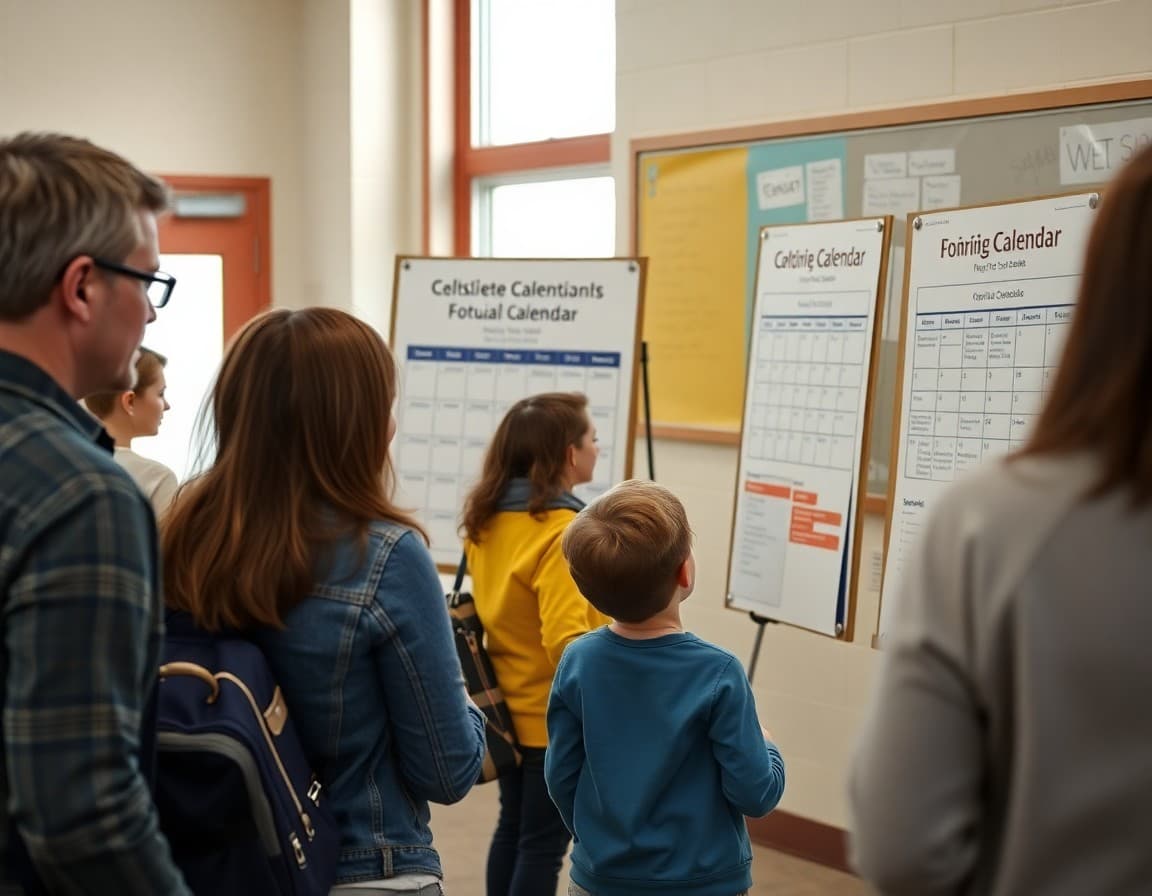
The school calendar is one of the decisions that affects the most families the most directly, and one that superintendents often make without adequate community input. A well-structured survey newsletter can change that, producing input that improves the decision and building the community trust that makes the outcome easier to accept, even for families whose preference was not chosen.
Explain Why You Are Asking
Before you describe the options, tell families why their input matters. "Our current school calendar was adopted in 2018 and has not been reviewed since. Family demographics and transportation logistics in our district have changed significantly. Before we make a decision for the 2026-27 school year, we want to understand what matters most to our community." That framing establishes that this is genuine consultation, not a checkbox.
Describe Each Option Clearly
Present the options with enough specificity that families can make an informed choice. For each option: first day and last day of school, number of instructional days, length of summer break, fall and spring break dates, and key holidays. A side-by-side comparison table works well for this kind of information.
"Option A: Traditional calendar. First day August 20, last day June 12. 10-week summer break. Fall break October 14-18. Spring break March 16-20. Option B: Modified year-round calendar. Four nine-week terms with two-week intersessions in October, January, and March. Last day of classes June 5."
Name the Constraints the District Is Working Within
Families who understand the constraints will offer more realistic input. "Our options are limited by California's 180-day minimum instructional requirement, our existing facilities contracts, and the calendar provisions in our teacher collective bargaining agreement. We are not considering a true year-round calendar because our facilities cannot support multiple tracks." Naming constraints prevents families from feeling that their input was ignored when a constrained option is chosen.
Describe the Tradeoffs Honestly
Every calendar option has tradeoffs. Name them. "A longer fall break provides more childcare flexibility for families but reduces the instructional window before Thanksgiving. Modified year-round calendars reduce summer learning loss for students but create childcare challenges for families who rely on summer camp programs that follow the traditional calendar." Honest tradeoffs are more useful to families than presentations that make one option sound like the obvious choice.
Sample Survey Announcement
"Dear Families, we are reviewing our school calendar for 2026-27 and want your input. Please review the three options at district.org/calendarsurvey and complete the 5-minute survey by November 15. We will share results and our recommendation at the December board meeting. All families are encouraged to participate, and the survey is available in English, Spanish, and Somali."
Tell Families When and How the Decision Will Be Made
Give a complete timeline. "We will close the survey on November 15. We will present results and a recommendation at the December 10 board meeting. The board will vote on the calendar at the January 14 meeting. The approved calendar will be posted by January 20." Families who know the timeline can plan when to weigh in and when to expect the answer.
Share the Results Before the Decision
After the survey closes and before the board votes, send a results newsletter. Share the response count, the distribution of preferences, and the top themes from open-ended responses. Then explain how the superintendent's recommendation accounts for what families said. This step builds trust in the process even when individual families do not get their first choice.
Get one newsletter idea every week.
Free. For teachers. No spam.
Frequently asked questions
Why should a superintendent survey families about the school calendar?
The school calendar affects every family in the district, and different families have very different priorities: childcare logistics, family vacation time, religious observances, work schedules, and student learning concerns. Surveying before deciding builds legitimacy for the outcome, reduces backlash, and often surfaces information the district did not have.
What information should a school calendar survey include?
Concrete descriptions of each option being considered, the tradeoffs of each, the constraints the district is working within (state minimum instructional days, budget, existing contracts), and a clear timeline for the decision. Families who understand the constraints will offer more realistic input.
What do you do when survey results do not clearly favor one option?
Share the results honestly, including the division. Then explain how the district weighed the input and made its decision. 'Survey results were close: 42% preferred Option A, 38% preferred Option B, and 20% had no preference. We chose Option B because it better aligns with our childcare partners' schedules and because the teacher contract requires a decision before March 1.' Transparency about how input was weighed is more important than unanimous satisfaction.
How far in advance should a calendar survey go out?
At least 4 to 6 months before the calendar takes effect. For a calendar beginning in September, survey families in November or December. This allows time for the survey, analysis, community input sessions, board approval, and enough lead time for families to arrange childcare and vacation plans.
What platform makes it easy to send a calendar survey to all district families?
Daystage handles district-wide sends with embedded survey links that are one tap away on mobile. For a calendar survey that you want to reach every family, not just those who check the district website, sending through Daystage ensures direct inbox delivery.

Adi Ackerman
Author
Adi Ackerman is a former classroom teacher and curriculum writer with 8 years in K-8 schools. She writes about school communication, parent engagement, and what actually works in real classrooms.
More for Superintendent
Ready to send your first newsletter?
3 newsletters free. No credit card. First one ready in under 5 minutes.
Get started free