
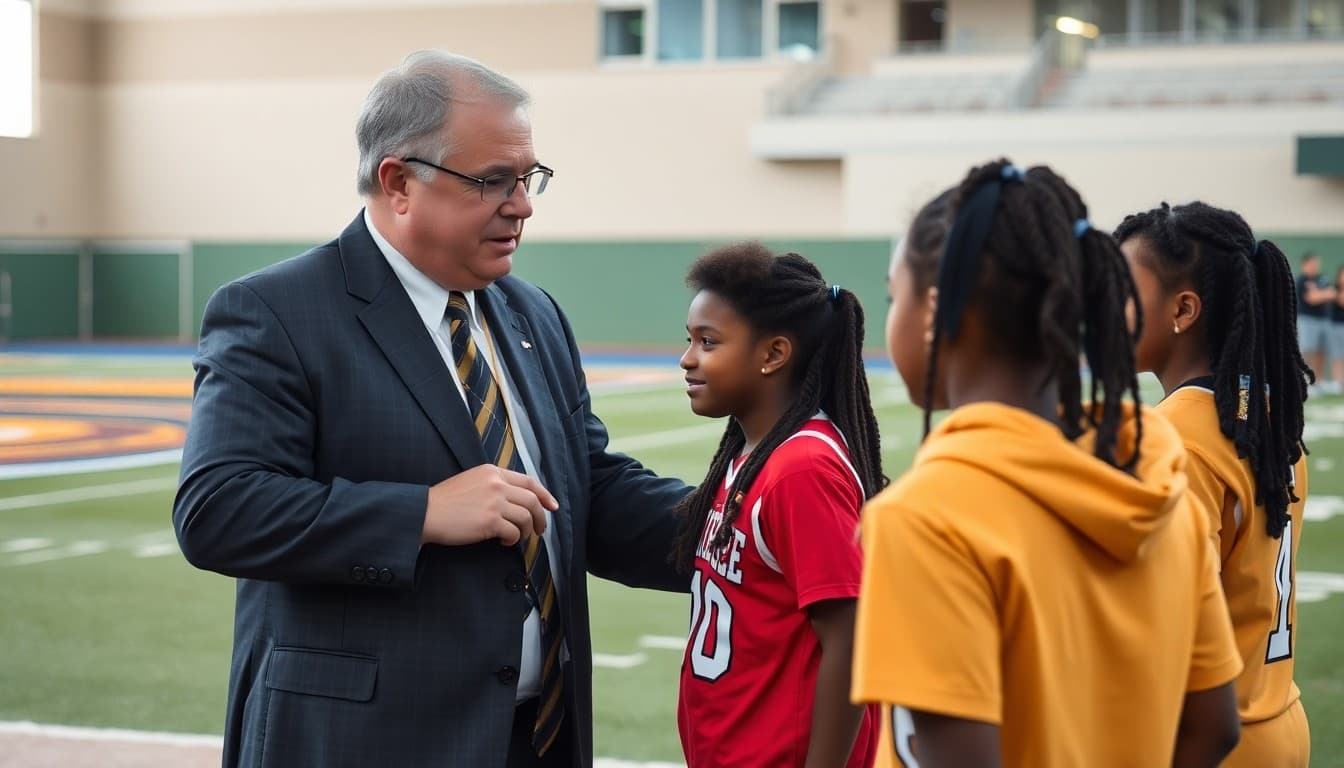
Superintendent Athletics Newsletter: Supporting Student Athletes

Athletics occupy a visible and often contentious place in school district life. Student athletes and their families invest enormous time and energy in school sports. The community forms opinions about schools partly through how their teams perform and how the district talks about them. A superintendent who communicates well about athletics builds cohesion; one who ignores or minimizes it misses an easy opportunity.
Open with the Scope of Athletic Participation
Many families do not realize how many students participate in school sports. Start there. "This fall, 1,847 students across our district, 23% of our total enrollment, participated in interscholastic athletics across 34 sports and activities." That number puts athletics in context before you discuss any individual program or result.
Highlight Accomplishments Across All Schools
In a multi-school district, the superintendent newsletter should recognize achievements across all sites, not just the most prominent programs. Name every state qualifier, regional finalist, and program milestone. A cross-country runner who qualified for state from a small rural school deserves the same mention as the basketball team from the large comprehensive high school.
Recognize Coaches and Athletic Staff
Coaches are often poorly recognized relative to their impact. Use the newsletter to name them. "Coach Darnell Harris has led the Washington High wrestling program for 14 years and sent 37 athletes to state competition over that time." That kind of recognition costs nothing and signals that the district values the adults who invest in student athletes.
Communicate Policy Changes Clearly
Eligibility requirements, fees, transportation policies, and equipment requirements all change periodically. When they do, the newsletter is the right channel to explain what changed and why. Give families enough lead time to prepare. A family that discovers a new eligibility requirement the week before tryouts is not going to trust district communication.
Address Safety and Wellness Directly
Families care about concussion protocols, heat illness prevention, and mental health support for student athletes. Naming what the district does in these areas builds confidence. "All coaches in our district are certified in concussion recognition and protocol. Athletes who show concussion symptoms are removed from play immediately and cannot return without medical clearance." Specific policy language is more reassuring than general statements about caring for student safety.
Connect Athletics to Academic Goals
Student athletes have higher average GPAs and lower chronic absenteeism rates in most districts. Share your district's data. "Last year, student athletes in our district had an average GPA of 3.1, compared to a district-wide average of 2.7, and an absenteeism rate 12% lower than the overall average." This data makes the case for athletic program investment in terms that the whole community can appreciate, not just families of athletes.
Announce the Upcoming Season
Use the newsletter to give families a calendar preview. When do tryouts start? When does the season begin? Where can families find schedules? A direct link to the athletic department's schedule page and the district's registration portal makes the announcement actionable.
Get one newsletter idea every week.
Free. For teachers. No spam.
Frequently asked questions
What should a superintendent include in an athletics newsletter?
Program results, participation numbers, policy updates affecting student athletes, coach recognition, and any upcoming events or season launches. The newsletter should serve families who have children in athletics as well as those who do not, by connecting athletics to the district's broader values of student development and community engagement.
How do you communicate a change in athletics policy, like eligibility requirements?
Be specific about what changed, when it takes effect, and who is affected. 'Starting fall 2026, students must maintain a 2.0 GPA and a minimum 90% attendance rate to participate in interscholastic athletics' is clear. Add the rationale, the appeal process if there is one, and a contact for questions. Students and parents who are surprised by eligibility rules mid-season are a preventable problem.
How do you balance celebrating winning teams without alienating families whose children are on struggling programs?
Focus on participation and development alongside results. A soccer team that went 2-10 and graduated 8 seniors who all passed the AP exam is worth celebrating. Lead with the breadth of athletic participation across your district, then highlight specific accomplishments. Avoid language that only values championship results.
Should the superintendent address parent conduct at games in the newsletter?
Yes, when it is a problem. Do it directly but without naming individuals. 'We have received reports of unsportsmanlike behavior from adult spectators at several events this fall. We want to be direct: this behavior reflects on our entire community and will not be tolerated. Continued violations may result in individuals being asked to leave district events.' That tone is firm without being punitive.
What tool works well for sending athletics updates to the whole district?
Daystage handles district-wide sends with consistent branding and clean photo formatting. Athletic season newsletters with team photos and achievement highlights are well served by a platform that renders reliably in email rather than pointing families to an external portal.

Adi Ackerman
Author
Adi Ackerman is a former classroom teacher and curriculum writer with 8 years in K-8 schools. She writes about school communication, parent engagement, and what actually works in real classrooms.
More for Superintendent
Ready to send your first newsletter?
3 newsletters free. No credit card. First one ready in under 5 minutes.
Get started free