

School Summer Outdoor Education Newsletter: Communicating Nature and Environmental Programs to Families
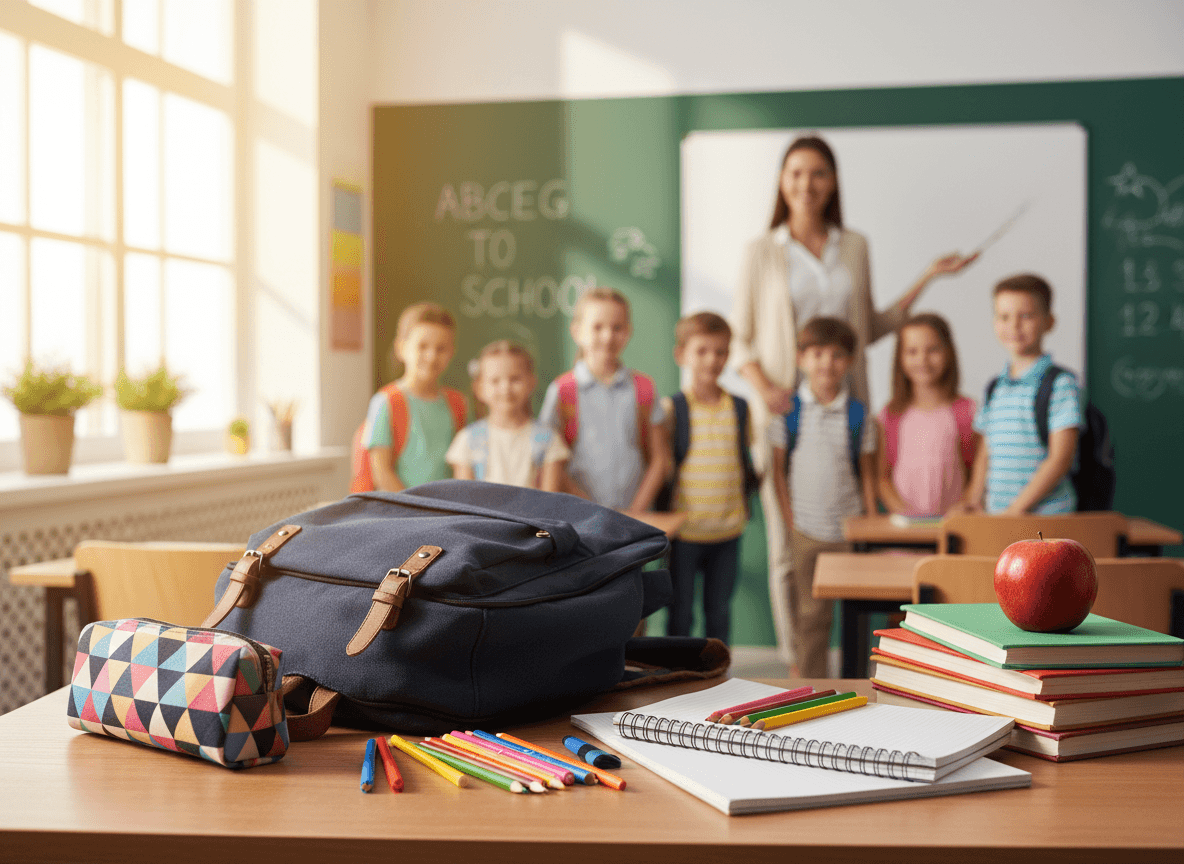
Summer outdoor education programs give students experiences that classroom learning cannot replicate: direct contact with natural systems, physical engagement with the environment, and a different relationship with learning than school buildings typically allow. Communicating clearly about what these programs involve, what families need to prepare, and what safety protocols are in place helps families feel confident and students arrive ready to engage.
Program overview communication
The announcement newsletter should help families understand what outdoor education actually looks like in your program. Many families imagine it as camping or unstructured nature time. Most outdoor education programs are significantly more structured than that. Cover what settings students will be working in, what they will be studying, how instruction is organized, and what a typical day looks like from arrival to pickup.
Include the learning goals in accessible terms. "Students will study local ecosystems, identify native plants and animals, and conduct simple water quality tests" is more compelling to families than "students will engage in environmental exploration."
Health and safety communication
Outdoor programs have health and safety considerations that indoor programs do not. The newsletter should cover: sun safety requirements including sunscreen and hat requirements, tick and insect awareness and prevention for wooded or grassy areas, water safety for programs near ponds, streams, or wetlands, and what to do if a student encounters a hazardous plant.
Include the process for communicating medical conditions or allergies to program staff before the program starts. This is especially important for programs where students may be far from a medical facility and staff need to know about bee allergies or other conditions that require immediate response.
Clothing and equipment specifics
Outdoor programs where families receive vague clothing guidance always have students who arrive in inappropriate footwear, shorts in tick-prone environments, or without sun protection. The newsletter should list specific requirements: closed-toe shoes required, long sleeves and pants recommended for wooded settings, hat required, sunscreen applied before arrival, and a water bottle with a minimum size specified.
Accommodating different comfort levels with the outdoors
Some students arrive at outdoor programs with enthusiasm and some arrive with anxiety about insects, dirt, or unfamiliar environments. A brief note in the newsletter acknowledging this range and explaining how the program builds comfort gradually helps families of nervous students feel welcome rather than wondering if the program is right for their child.
Connecting outdoor learning to classroom learning
Including a brief note on how the outdoor program connects to next year's science or environmental curriculum helps families see the academic value of the program alongside its experiential value. Students who connect outdoor experiences to classroom concepts are more engaged in both settings.
Get one newsletter idea every week.
Free. For teachers. No spam.
Frequently asked questions
What should a summer outdoor education newsletter include?
Program description and setting, what students will explore and learn, daily schedule and outdoor activity expectations, what to wear and bring including sun protection, insect repellent, and appropriate footwear, any allergies or medical conditions the program needs to know about, health and safety protocols including what to do if a student encounters a hazardous plant or insect, and supervision ratios.
How do outdoor programs communicate about safety and health precautions?
Cover tick and insect awareness and prevention for programs in wooded or grassy areas, sun safety requirements, water safety for programs near water, and what to do if a student has an allergic reaction or physical concern during the program. Include the process for communicating medical needs to program staff before the program starts.
How do you communicate about outdoor education for students who have anxiety about outdoor environments?
A brief note in the newsletter acknowledging that some students are more comfortable outdoors than others and that the program accommodates different experience levels helps families of nervous students feel welcome. Include who to contact to discuss any specific concerns before the program starts.
What clothing and equipment guidance should outdoor education newsletters provide?
Specific guidance rather than general instructions: closed-toe shoes required (not sandals or flip flops), long sleeves and pants recommended for wooded areas, hat and sunscreen required, extra water bottle, and a change of clothes for programs near water. Families who receive specific requirements come prepared. Families who receive general guidance often do not.
How does Daystage help schools communicate about summer outdoor education programs?
Daystage gives program coordinators and teachers a newsletter platform to send detailed outdoor program communication to enrolled families, including the safety information and packing guidance that makes families confident in their student's participation.

Adi Ackerman
Author
Adi Ackerman is a former classroom teacher and curriculum writer with 8 years in K-8 schools. She writes about school communication, parent engagement, and what actually works in real classrooms.
More for Summer & After School
Recruiting Summer Volunteers and Community Helpers Through the Newsletter
Summer & After School · 5 min read
Communicating Summer Arts and Creative Programs Through the School Newsletter
Summer & After School · 5 min read
Communicating School Immunization Requirements Through the Summer Newsletter
Summer & After School · 5 min read
Ready to send your first newsletter?
3 newsletters free. No credit card. First one ready in under 5 minutes.
Get started free