

Preparing Students for Fall Through Summer Newsletter Communication
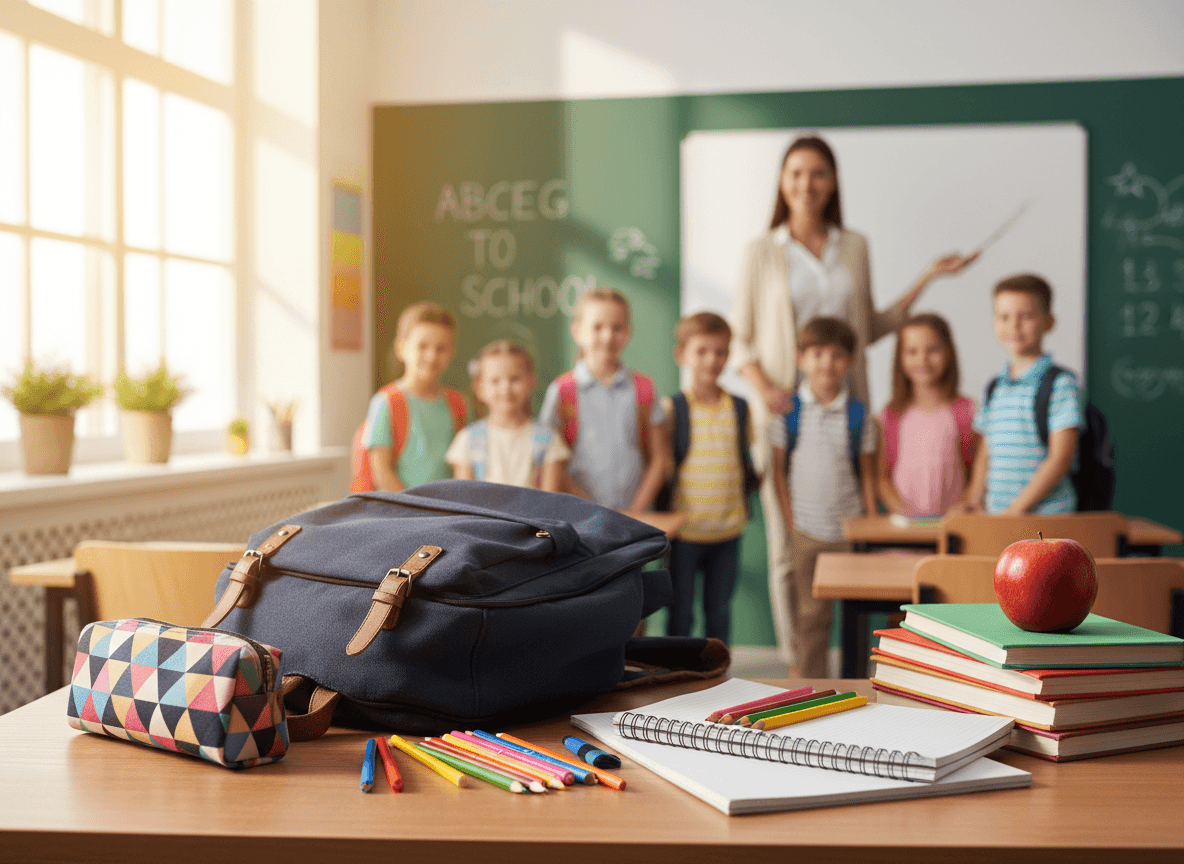
Summer is not just a break. It is an opportunity that families can use or lose depending on whether they receive clear information about what their children need. A fall readiness newsletter published in June or July gives families specific, actionable preparation guidance while the summer still has time left to make a difference.
Name What Students Should Know Before September
Every grade level has foundational skills that make the fall transition smoother. Third graders who enter the year with solid multiplication fact fluency can engage with new math concepts immediately. Students entering high school who have read extensively over the summer arrive with stronger vocabulary and faster reading comprehension.
The newsletter should name these grade-specific expectations clearly. Not as threats, but as starting points. "Students entering our fifth grade program will work with fractions from the first week. A summer review of fraction basics through [resource] or [app] will make that transition smoother."
Give Families a Specific Daily Practice Structure
Families who receive general encouragement to "keep reading and practicing math" do significantly less summer learning than families who receive a specific structure. The newsletter should describe what 20-30 minutes of daily summer learning looks like: a chapter book, a math practice app or worksheet set, a brief writing exercise.
Specific is more useful than aspirational. "Twenty minutes of reading six days a week over the summer" produces a measurable result. "Read as much as you can" produces scattered compliance or none.
Recommend Specific Resources
Name the resources that support the grade-level preparation you are describing. Library book lists at appropriate reading levels, math practice apps the school knows work, free online resources tied to the curriculum, or school-provided summer packets if the school distributes them. Families who receive a resource name and a URL act on the recommendation far more often than families who receive general guidance to find appropriate books or apps.
Acknowledge That Summer Looks Different for Every Family
Some families can structure daily learning activities. Others are managing multiple jobs, family responsibilities, and limited access to quiet learning spaces. The newsletter should acknowledge this and offer options across the full range of family circumstances: library programs for families who need structure outside the home, brief daily practices for families who have 20 minutes but not more, and audiobooks and podcasts for students whose summer includes long commutes or family travel.
Connect Fall Readiness to Fall Excitement
A fall readiness newsletter should include something that makes students and families look forward to September, not just prepare for it. A brief preview of an exciting unit, a note about the new teacher, or a description of a fall event families can anticipate makes the preparation feel connected to something worth preparing for.
Get one newsletter idea every week.
Free. For teachers. No spam.
Frequently asked questions
What does a fall readiness newsletter include that a standard back-to-school newsletter does not?
Fall readiness newsletters focus on what students need to know and be able to do before September, while back-to-school newsletters focus on logistics. A fall readiness newsletter describes grade-level expectations, names specific skills students should practice over the summer, and gives families strategies to support academic preparation. The newsletter arrives in June or July, while back-to-school information typically arrives in August.
How do you communicate grade-level readiness expectations without making families anxious?
Frame readiness as a starting point for learning, not a pass-fail threshold. 'Students who enter second grade with fluent reading of simple chapter books will be building on a strong foundation. If your child is not yet there, summer reading is the most effective preparation.' That framing gives families accurate information and a clear action, without suggesting that children who are not yet at grade level are failing.
What specific summer learning activities should the newsletter recommend?
Daily reading for 20-30 minutes, math fact practice for entering grade levels that depend on fluency, writing a few sentences or paragraphs regularly, and engaging with subject matter related to what students will study in the fall. Concrete time estimates and activity types are more useful than general encouragement to keep learning. Families who know what to do for 20 minutes a day will do it. Families told to 'keep learning' will not.
How do you communicate fall readiness information for students with IEPs or learning needs?
A general fall readiness newsletter should be followed by individualized communication from the student's case manager or teacher about specific summer goals for students with IEPs. The newsletter can acknowledge that families of students with IEPs will receive additional guidance specific to their child's plan, which sets appropriate expectations and opens the door for families to reach out if they have not received that guidance.
How does Daystage support fall readiness communication?
Daystage helps schools produce clear summer newsletters that give families specific, actionable fall preparation guidance rather than generic encouragement to have a great summer. Schools use it to send students into summer with the tools they need to return in September ready to learn.

Adi Ackerman
Author
Adi Ackerman is a former classroom teacher and curriculum writer with 8 years in K-8 schools. She writes about school communication, parent engagement, and what actually works in real classrooms.
More for Summer & After School
Supporting Student Mental Health Over the Summer Through Newsletter Communication
Summer & After School · 5 min read
Communicating Summer Sports Programs and Athletic Training to Families
Summer & After School · 5 min read
Back-to-School Parent Survey Newsletter: How Principals Gather Family Input Before the Year Begins
Summer & After School · 5 min read
Ready to send your first newsletter?
3 newsletters free. No credit card. First one ready in under 5 minutes.
Get started free