

After-School Program Newsletter: How to Keep Parents Informed and Enrolled
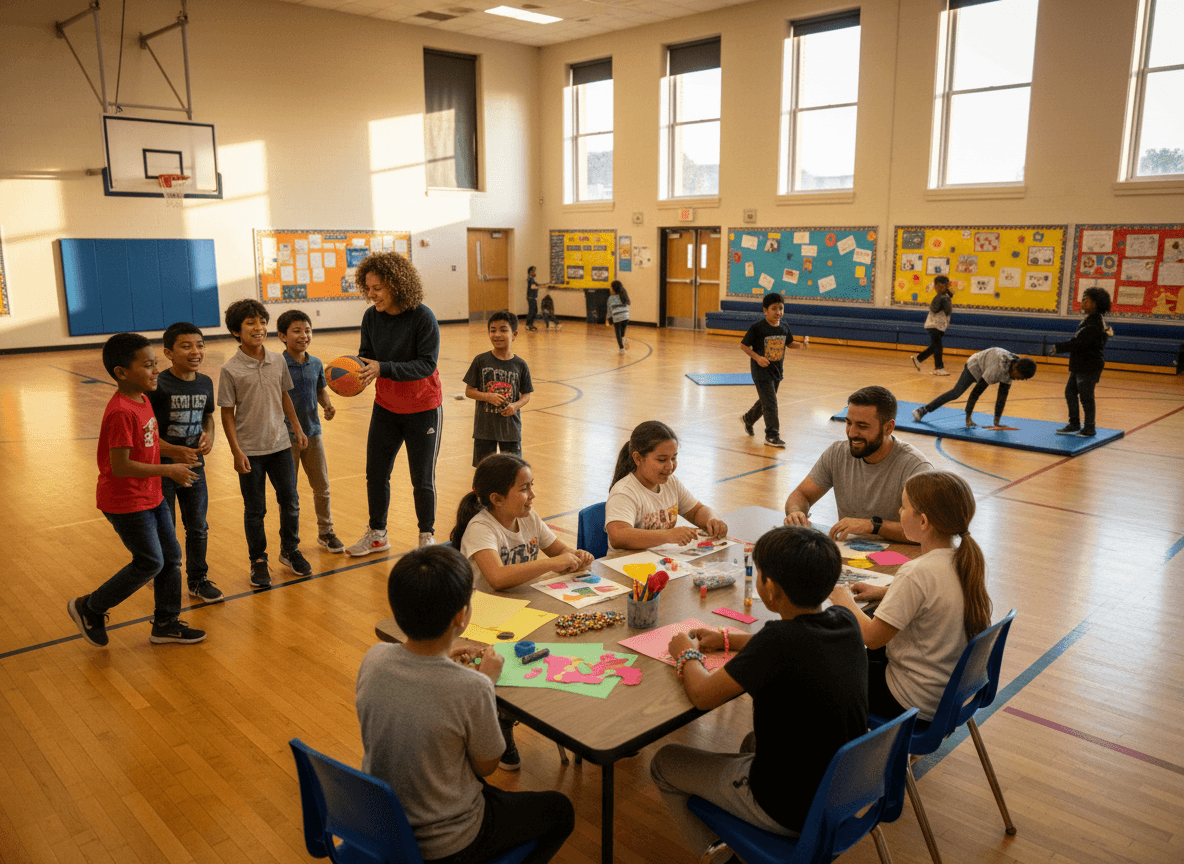
After-school programs have a retention problem that newsletters can directly address. Families enroll with good intentions, but when they do not hear what is happening, when pick-up is chaotic, or when their child comes home vague about their day, the program quietly becomes optional. One missed week becomes two. By November, enrollment is down.
A well-run newsletter sequence does not just inform. it builds the sense that the program is valuable, organized, and paying attention to each student. Here is how to write it.
The Enrollment Confirmation Newsletter
The moment a family enrolls, send a confirmation newsletter. Not just a receipt. An actual welcome that tells them what they signed their child up for.
This newsletter should cover: the full program name and description, which days and hours, where the program meets and how pick-up works, what students need to bring, and who to contact with questions. It should also set the expectation for ongoing communication: "You will receive a monthly update from us on what students are working on and any schedule changes."
Families who receive a thorough enrollment confirmation are less likely to drop off because they feel informed from day one. Families who only get a payment receipt and then hear nothing for three weeks wonder if the program is as organized as they hoped.
The Monthly Program Update
Every month, send a newsletter that shows families what their child has been doing in the program. This is the most important ongoing communication for retention.
Lead with one specific thing students did that month that a parent could talk to their child about that evening: "This month, students in the coding club built their first interactive website. Every student has a working page with their name, a photo they chose, and their three favorite books. You can view it here: [link]."
Follow with upcoming activities for the next month, any schedule changes, and anything families need to do (permission slip, updated emergency contact, supply contribution). Close with the attendance note: which students hit their attendance goal for the month, and what the goal is for next month.
Make the Value Visible
After-school programs often struggle to demonstrate value because the work happens while parents are not there. Your newsletter should bridge that gap deliberately.
Include one student accomplishment per month. with the family's permission. that concretely shows what the program produces. Not "students are growing as learners." Something like: "Jordan, who had never used a sewing machine before September, finished her first quilted piece this month. It is going in the hallway display."
This kind of specific, real story does two things. It makes other families believe the program works. And it gives the featured student's family a moment of pride that they connect to the program. Both outcomes support retention.
Handle Absences Proactively
When a student misses two or more consecutive sessions without communication, send a brief, warm check-in email. Not a formal absence warning. Something short: "We missed [student name] this week. Wanted to make sure everything is okay and let you know we are looking forward to seeing them back on [next session day]."
That message costs thirty seconds to write and frequently reverses a quiet drop-off. Families who are drifting away from a program respond to being noticed. Families who have a genuine conflict (a medical issue, a schedule change) will tell you what is happening, which lets you solve it before enrollment is formally canceled.
Re-Enrollment: Build It Into the Calendar
At least six weeks before re-enrollment opens, send a newsletter that tells currently enrolled families about the next session or semester. Give them first access. before the general enrollment opens. and a deadline for priority registration.
Families who feel like insiders, who get early access and a clear path to re-enroll, re-enroll at much higher rates than families who receive a generic announcement at the same time as everyone else. Treating current families as the priority is not just a retention tactic. It is accurate. they are the priority.
Closing-of-Session Newsletter
At the end of every session, send a closing newsletter. What did students accomplish? What is the plan for the next session? What can families do over the break to keep the momentum going?
If there is a showcase, exhibition, or student presentation at the end of the session, announce it at least two weeks in advance with clear date, time, and location details. Parents who attend a culminating event see with their own eyes that the program is worth continuing. That is the most effective retention tool any after-school program has, and a newsletter is how families know it is happening.
Get one newsletter idea every week.
Free. For teachers. No spam.
Frequently asked questions
When should after-school programs communicate with parents?
Send an enrollment confirmation within 24 hours of a family registering. After that, a monthly program update keeps parents informed of activities without overwhelming them.
What should an after-school program newsletter include?
Enrollment confirmation newsletters should cover dates, times, pickup procedures, what to bring, and who to contact with questions. Monthly updates should highlight recent activities, share any schedule changes, and include a brief note on what is coming next.
How should after-school programs handle re-enrollment communication?
Build re-enrollment prompts into the regular communication calendar starting six weeks before the program ends. Families who are satisfied but busy will miss a single announcement, so send at least three reminders at different intervals.
What do after-school programs get wrong about parent communication?
Most programs communicate well during enrollment and then go quiet until something goes wrong. This creates uncertainty for parents who are weighing whether the program is worth continuing. Consistent monthly updates prevent that doubt from building.
How does Daystage help after-school programs manage parent communication?
After-school program coordinators use Daystage to schedule the full communication cycle at the start of each session, so enrollment confirmations, monthly updates, and re-enrollment reminders go out automatically on the right timeline.

Adi Ackerman
Author
Adi Ackerman is a former classroom teacher and curriculum writer with 8 years in K-8 schools. She writes about school communication, parent engagement, and what actually works in real classrooms.
More for Summer & After School
School Summer Supply Drive Newsletter: How Schools Communicate Back-to-School Supply Collection to Families
Summer & After School · 5 min read
School Graduation Celebration Newsletter: How Principals Communicate the Ceremony That Closes the Year
Summer & After School · 5 min read
School Summer Food Program Newsletter: How Schools Communicate Free Meal Access to Families
Summer & After School · 5 min read
Ready to send your first newsletter?
3 newsletters free. No credit card. First one ready in under 5 minutes.
Get started free