
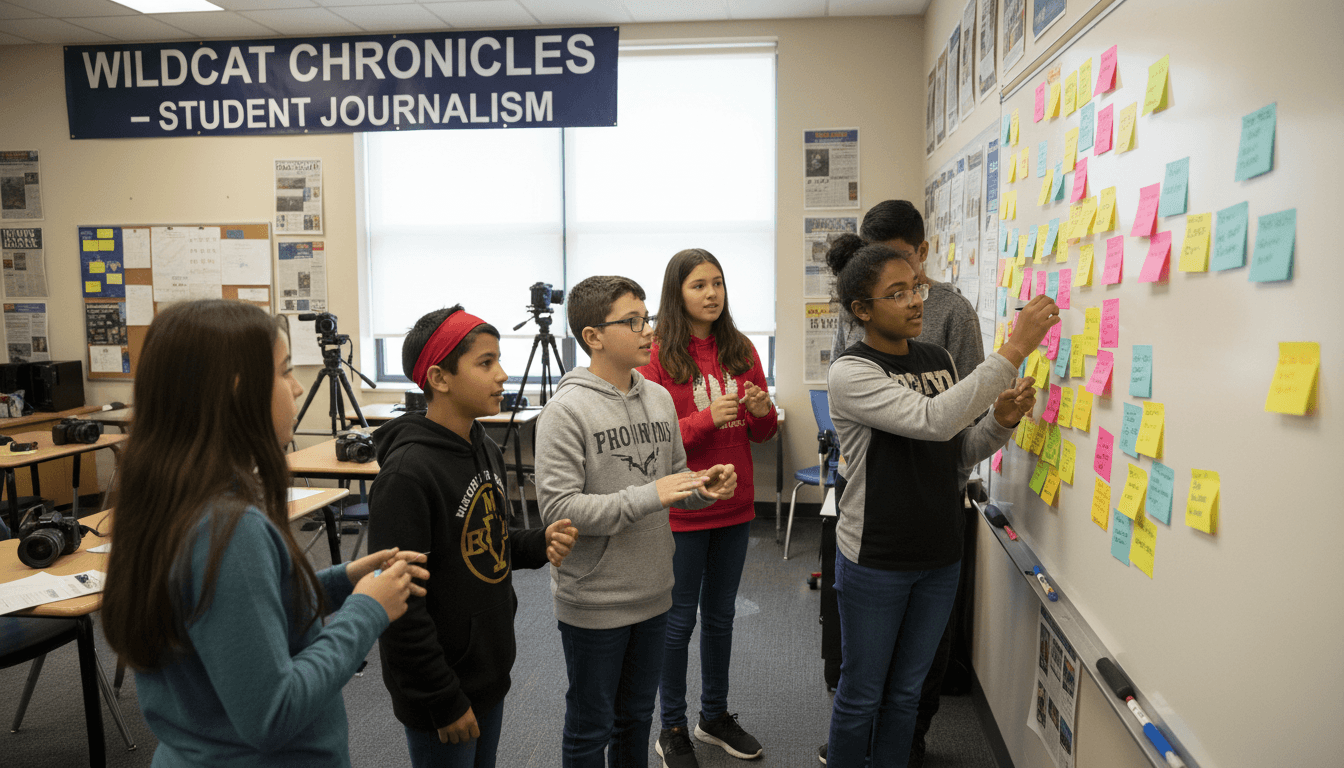
Building a Student-Led Newsletter Program in Middle School
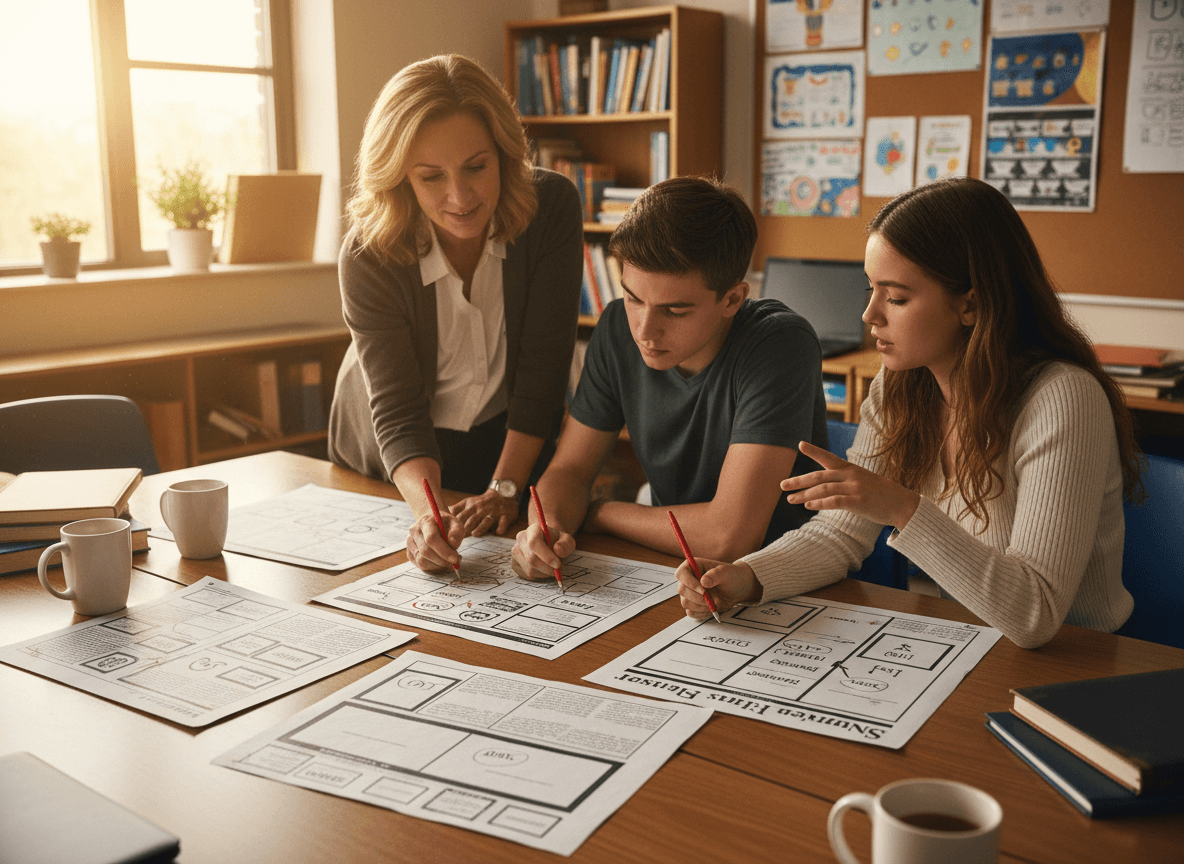
Middle school students are ready to do real journalism with real responsibility. They want to be taken seriously, they care about fairness and accuracy, and they have genuine perspectives on school life that their school community should hear. A student newsletter program that meets those readiness levels produces remarkable work and remarkable growth.
Structure the Program with Real Roles
Middle school student newsletters that are organized with real editorial roles, editor-in-chief, section editors, reporters, photographers, and a design lead, produce more consistent quality than those that treat contribution as undifferentiated volunteer work. Real roles create real accountability and real skill development.
Rotating students through different roles over the course of the year develops a fuller range of skills than keeping every student in the same role throughout. A reporter who becomes a section editor learns what good reporting looks like from the editor's perspective. That experience makes them a better reporter when they rotate back.
Give Students Real Topics
Middle schoolers who are assigned to write about the school mascot or this month's academic calendar produce generic content that serves no one. Middle schoolers who are assigned to investigate why the cafeteria changed the lunch menu, or to report on the results of the student survey about homework policy, produce journalism that the school community actually wants to read.
Real topics produce real engagement from the students doing the work. Engagement produces quality. Quality produces an audience.
Build the Publication Schedule into the Structure
A monthly or biweekly publication schedule that is locked into a class period or a regular extracurricular meeting time produces consistent output. A newsletter that depends on student motivation and voluntary attendance publishes irregularly and eventually stops.
Deadlines that are real, meaning that the newsletter publishes on the scheduled date regardless of whether every article is complete, build the professional habits that the program is designed to develop.
Maintain Editorial Standards Without Removing Student Voice
The advisor's role is to develop quality, not to replace student voice with adult voice. Fact-checking, clarity editing, and accuracy review are the advisor's territory. The student's perspective, tone, and way of describing the world are the student's territory. A newsletter that sounds like a teacher wrote it has failed at the program's fundamental purpose.
Make the Newsletter Visible Across the Community
A middle school student newsletter that only reaches middle school families misses the opportunity to build a genuine school-wide audience. Distribute it to elementary and high school families in the same district. Share links on the school website. Feature student bylines in the adult-produced school newsletter. An audience that extends beyond the students' immediate peers gives the work the weight and purpose that motivates continued excellence.
Get one newsletter idea every week.
Free. For teachers. No spam.
Frequently asked questions
What makes middle school an especially effective age for starting a student-led newsletter?
Middle schoolers are developmentally ready to take on real responsibility and to produce genuine journalism with guidance. They are interested in fairness, voice, and being taken seriously. A student newsletter that treats them as real reporters doing real work engages them at the level they are ready for. Elementary newsletters require more scaffolding and adult co-creation. High school programs are fully independent. Middle school is where students can do the real work with active mentorship that builds the habit before independence is required.
What roles should a middle school student newsletter team include?
Editor-in-chief (manages the overall publication and final review), section editors (responsible for consistent content in their beat area), reporters (research and write articles), photographers (capture school events and provide images), and a layout or design lead (manages the visual presentation). These roles mirror professional journalism organization and give students specific areas of responsibility rather than undifferentiated contribution.
How do you handle middle schoolers who want to write about controversial school topics?
Treat the request like a professional editor would. Evaluate whether the topic is of genuine community interest, whether the student can cover it fairly, and whether the coverage would meet the publication's factual and ethical standards. Topics that are genuinely controversial but covered with accuracy and fairness belong in the student newsletter. Topics that are controversial because they are targeting individuals rather than addressing issues do not.
How do you keep middle school students consistently producing newsletter content throughout the year?
Build the publication into a class period or extracurricular with a regular meeting schedule and consistent publication deadline. A newsletter that depends on volunteers who appear when motivated and disappear when they are not produces irregular, low-quality content. A newsletter that is part of a class or has a scheduled extracurricular structure produces consistent content because the schedule creates the expectation and the habit.
How does Daystage support middle school student newsletter programs?
Daystage helps middle school advisors and school leaders establish student newsletter programs with the structure, publication schedule, and editorial standards that produce consistent, high-quality publications. Schools use it to give middle school student journalists the professional tools and the real audience that make the program worth taking seriously.

Adi Ackerman
Author
Adi Ackerman is a former classroom teacher and curriculum writer with 8 years in K-8 schools. She writes about school communication, parent engagement, and what actually works in real classrooms.
More for Student-Led
Student-Led Environmental Newsletter: How Student Journalists Cover Sustainability and School Ecology
Student-Led · 5 min read
Student News Alumni Coverage Newsletter: How Student Journalists Report on Former Students
Student-Led · 5 min read
Student Newsletter Advanced Interview Skills Guide: How Student Journalists Conduct Better Interviews
Student-Led · 6 min read
Ready to send your first newsletter?
3 newsletters free. No credit card. First one ready in under 5 minutes.
Get started free