
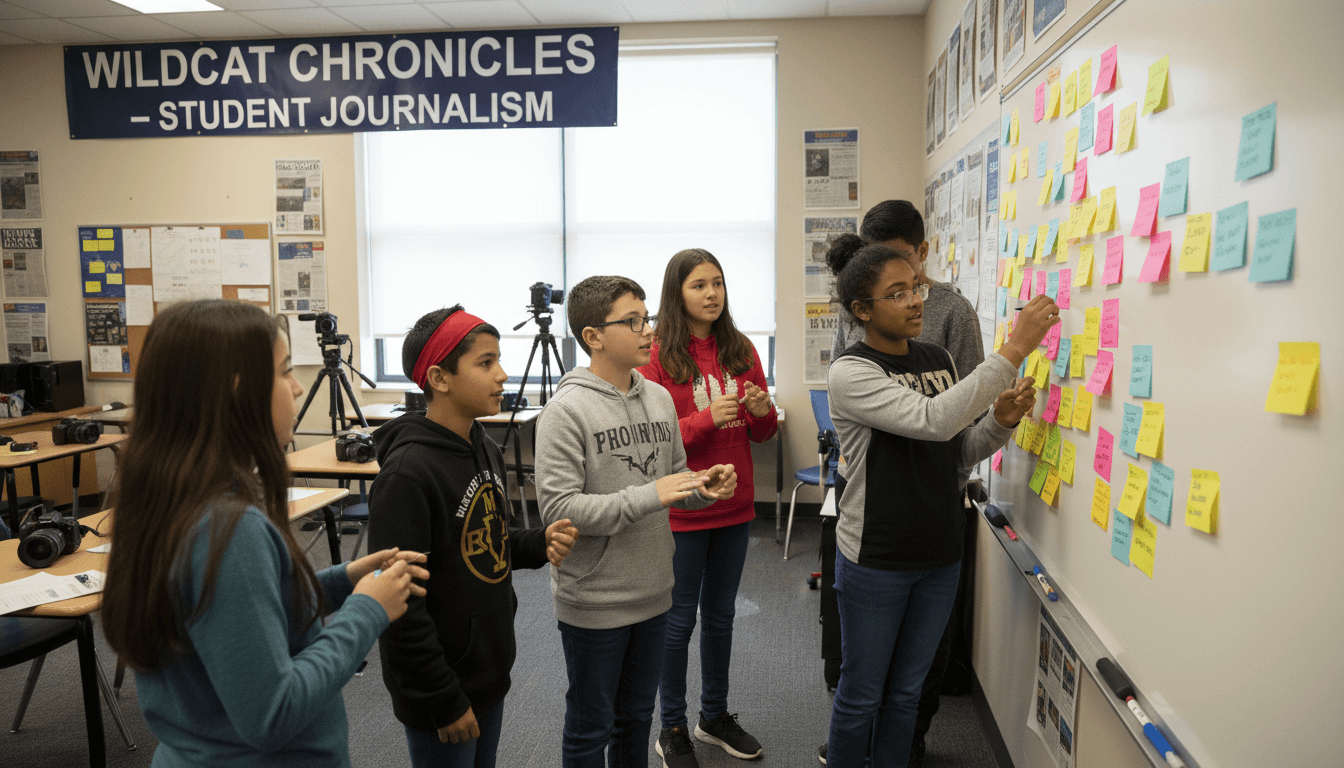
Student Journalist Orientation Newsletter: How Advisors Prepare New Student Reporters

New student journalists arrive at orientation carrying a wide range of assumptions about what the job involves. Some expect creative freedom with no accountability. Others expect strict rule-following with no room for voice. The orientation newsletter is the first chance to describe what the newsroom actually is and how it actually works.
Describing the publication's role
The orientation newsletter should open with a clear description of the publication's purpose. Not a mission statement. A practical description: who reads it, why it matters to the school community, and what it can do that no other school communication can. Student journalists who understand their publication's role are more motivated than those who see it as an extracurricular with a product at the end.
Include a brief history of the publication if there is one. A student who knows that the paper has covered school board decisions, student protests, or community events for decades understands the weight of what they are joining.
The editorial process
Walk through what happens to a story from pitch to publication. Pitch day, editor review, draft submission, editing rounds, fact-check, design, and publication. Students who have never worked in a structured editorial process often underestimate how much happens between writing a first draft and seeing their byline.
Describe who does what at each stage. If editors assign stories, say so. If students pitch independently, describe the pitch process. Ambiguity about process creates frustration during the first publishing cycle.
Tools and platforms
List every tool the newsroom uses: writing software, design tools, communication channels, submission systems, and any publication platforms. Include login instructions and who to contact if access does not work. Students who spend the first week unable to access newsroom tools lose momentum before they start.
Beat assignments and sources
Share beat assignments with a brief description of each beat and its key sources. A student assigned to the arts beat who knows which teachers, students, and departments to contact can start building source relationships in the first week. A student who gets a beat label without context spends the first month figuring out what the beat even covers.
Standards and expectations
Include the newsroom's core standards: attribution, verification, source diversity, and the distinction between news and opinion. These do not need to be comprehensive. A short, specific list of the non-negotiables sets expectations clearly and gives students a framework they can apply from their first story.
Get one newsletter idea every week.
Free. For teachers. No spam.
Frequently asked questions
What should a student journalist orientation newsletter include?
The publication's mission and role in the school community, how the editorial process works from pitch to publication, tools and platforms students will use, beat assignments and coverage areas, deadlines and submission expectations, standards for sourcing and accuracy, and how students can pitch story ideas throughout the year.
How do advisors communicate newsroom culture to new student journalists?
Describe the newsroom's values in specific terms: what it means to report fairly, how disagreements about coverage are resolved, what happens when a story is rejected, and how students support each other's work. Culture communicated early prevents misunderstandings that become hard to untangle mid-year.
How should beat assignments be communicated to new student reporters?
Include a brief description of each beat, why that beat matters to the school community, what a typical story on that beat looks like, and who the key sources are for each area. Students who understand their beat's purpose invest more in it than students who receive a label without context.
How do advisors handle communication about publication deadlines?
A clear deadline calendar shared at orientation prevents the confusion that comes from students learning deadlines one cycle at a time. Include hard deadlines, soft check-in points, and what happens if a story misses a deadline. Treating the deadline calendar as a shared document reinforces that missing one deadline affects the whole team.
How does Daystage help advisors communicate with student journalists and school families?
Daystage gives journalism advisors a newsletter platform to send orientation information to new student reporters, communicate publication schedules to families and staff, and share each issue with the broader school community when it publishes.

Adi Ackerman
Author
Adi Ackerman is a former classroom teacher and curriculum writer with 8 years in K-8 schools. She writes about school communication, parent engagement, and what actually works in real classrooms.
More for Student-Led
Ready to send your first newsletter?
3 newsletters free. No credit card. First one ready in under 5 minutes.
Get started free