
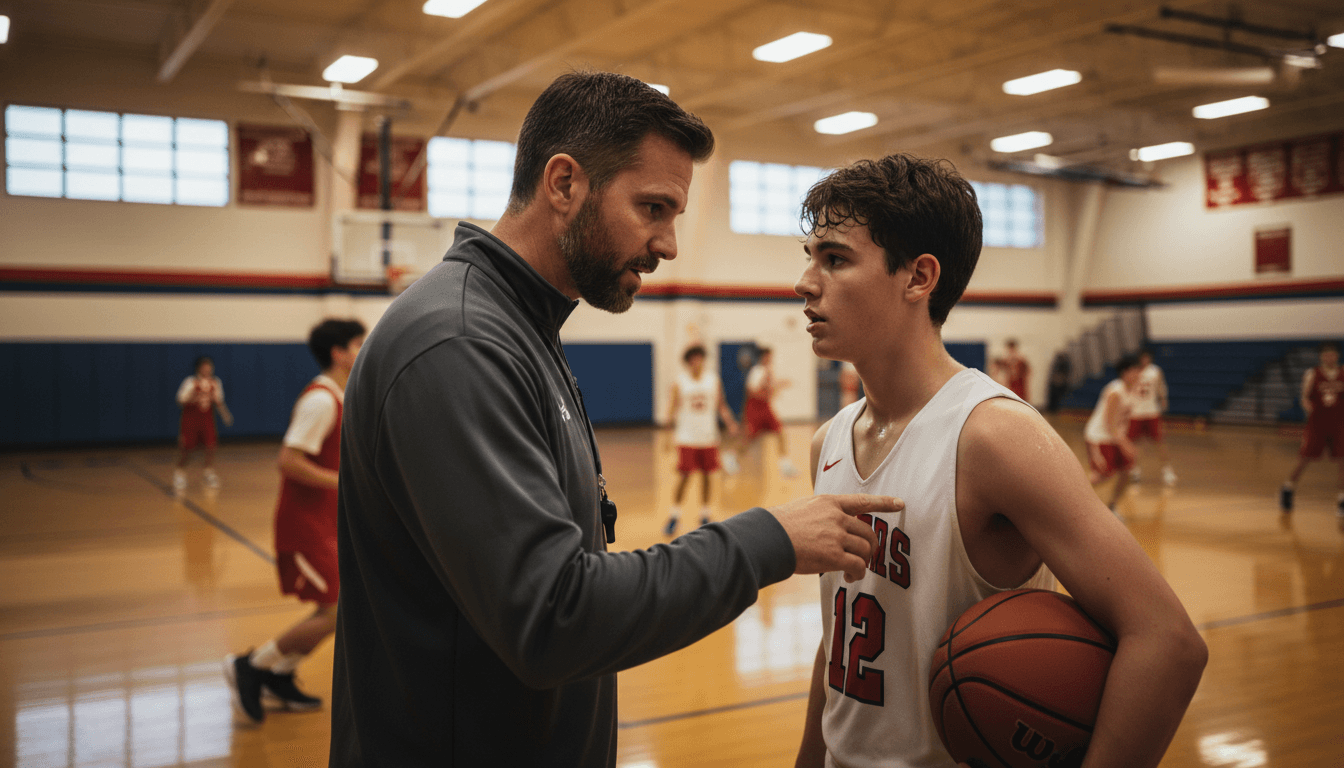
Basketball Team Newsletter: A Template That Keeps Parents in the Loop

Basketball season is long, dense, and unpredictable. Two games a week is the norm, tournaments stack three games into thirty-six hours, and the schedule can change with twenty-four hours notice when a winter storm hits. The weekly newsletter is what keeps a parent base from descending into a constant text chain. This is the template.
The structure: five blocks, every week
Same five blocks, same order, every Sunday night. This week's games and practices. Game day logistics for each game. Academic and attendance reminders. Program notes (gear, picture day, banquet, fees owed). Coach message. When parents see the same structure week after week, they learn where to look without reading.
Make the schedule block scannable
A basketball week can have one practice and one game, or four practices and two games, or a full tournament weekend. The block has to handle all of that. The pattern that holds up: day, time, type, location, one note if needed. One line per item. Bold the day. Parents scan it in ten seconds and know whether their week is heavier or lighter than usual.
The template: a real week
Here is the schedule block for a typical two-game week:
Monday Jan 13: Practice 3:30-5:30 PM, main gym
Tuesday Jan 14: Home vs Riverdale, JV 5:30, Varsity 7:00
Wednesday Jan 15: Practice 3:30-5:30 PM, main gym
Thursday Jan 16: Film and shooting 3:30-4:30 PM
Friday Jan 17: Away at Lakeside, bus 4:00 PM, JV 5:30, V 7:00
Saturday Jan 18: Optional shooting 9-10 AM
Six lines, full week, no paragraphs. A parent reads that and knows when their player is home and when they are not.
Game day logistics get their own block per game
Home games need different info than away games. Home: doors open, ticket price, where parents sit if there is a student section, senior night details if applicable. Away: bus departure time, address, expected return, parking notes, ticket price at the gate. Two games a week means two separate logistics blocks. Do not try to combine them. The five extra seconds it takes you to format saves a dozen parent texts on game day.
Tournament weekends need a separate send
A holiday tournament or a two-day showcase has its own information load: pool play seeding, bracket reseed times that depend on Friday results, two or three different gym addresses, hotel block info if you have one, meal plans for the team. Send a dedicated tournament newsletter on the Wednesday before. Cover everything in one place. Then send a short Saturday-morning update with the actual bracket once Friday's games settle the pools.
Academic and program reminders, one line each
Progress reports Friday. Banquet tickets due February 1, $35 per person. Senior night photo submissions due January 25. Each one is a line. Each one repeats for two or three weeks before its deadline so no parent can claim they missed it. This is where program organization shows. Parents notice.
Coach message: short, specific, last
Three to five sentences. What the team worked on this week. What you saw improve. What you are asking parents for (a meal before the Lakeside trip, fan turnout for the conference game, support during finals week). Specific asks get answered. Vague inspiration gets skipped.
How Daystage helps with basketball team communication
Save the five-block structure once in Daystage as a template. Each Sunday, fill in the new schedule, swap the game logistics, update the coach note, and send. It takes about five minutes once the AD posts the week's schedule. The result looks like it came from a program that takes communication seriously, because it did.
Get one newsletter idea every week.
Free. For teachers. No spam.
Frequently asked questions
How is a basketball newsletter different from a football newsletter?
Basketball seasons run longer (twelve to twenty weeks), include tournament weekends with three games in two days, and often include two regular-season games per week. Football has one game a week and a predictable rhythm. A basketball newsletter has to handle that variability. The template needs a flexible game-block structure that can list one, two, or four games for the upcoming week without breaking the format.
Should I send a separate newsletter for tournament weekends?
Yes. Tournaments have their own logistics: pool play schedules, bracket reseed times, hotel info, meal plans, gym addresses for two or three different sites. Trying to fit all that into the regular weekly newsletter buries the routine information parents need. Send a dedicated tournament newsletter on Wednesday before, then resume the normal weekly schedule the following Sunday.
What about playing time? Should the newsletter address it?
Not directly. Playing time is a one-on-one parent conversation, not a newsletter topic. What the newsletter can do is set program expectations early in the season (a paragraph in the first newsletter that explains how playing time is determined and the appropriate way to discuss it). After that, do not re-litigate it. If a parent emails about minutes, you respond directly, not in the newsletter.
How do I make the newsletter feel like our program, not a generic email?
Two things: a consistent voice and a consistent visual format. Same tone every week (you, not we; direct, not corporate). Same colors. A team logo at the top. A signature line from the coach. Parents who get the same shape of email week after week start to recognize it. That recognition is what makes them open it instead of archive it.
What tool actually works for sending a weekly basketball newsletter?
Email is still the right channel for parents because it gets read, it archives, and parents can search it. The tools that work best let you save a structure once and refill the content each week. Daystage was built for that exact pattern. You set up your blocks (this week, game logistics, academics, coach note), save the template, and the weekly send takes about five minutes once you have the schedule from the AD.

Adi Ackerman
Author
Adi Ackerman is a former classroom teacher and curriculum writer with 8 years in K-8 schools. She writes about school communication, parent engagement, and what actually works in real classrooms.
More for Sports Teams
Ready to send your first newsletter?
3 newsletters free. No credit card. First one ready in under 5 minutes.
Get started free