
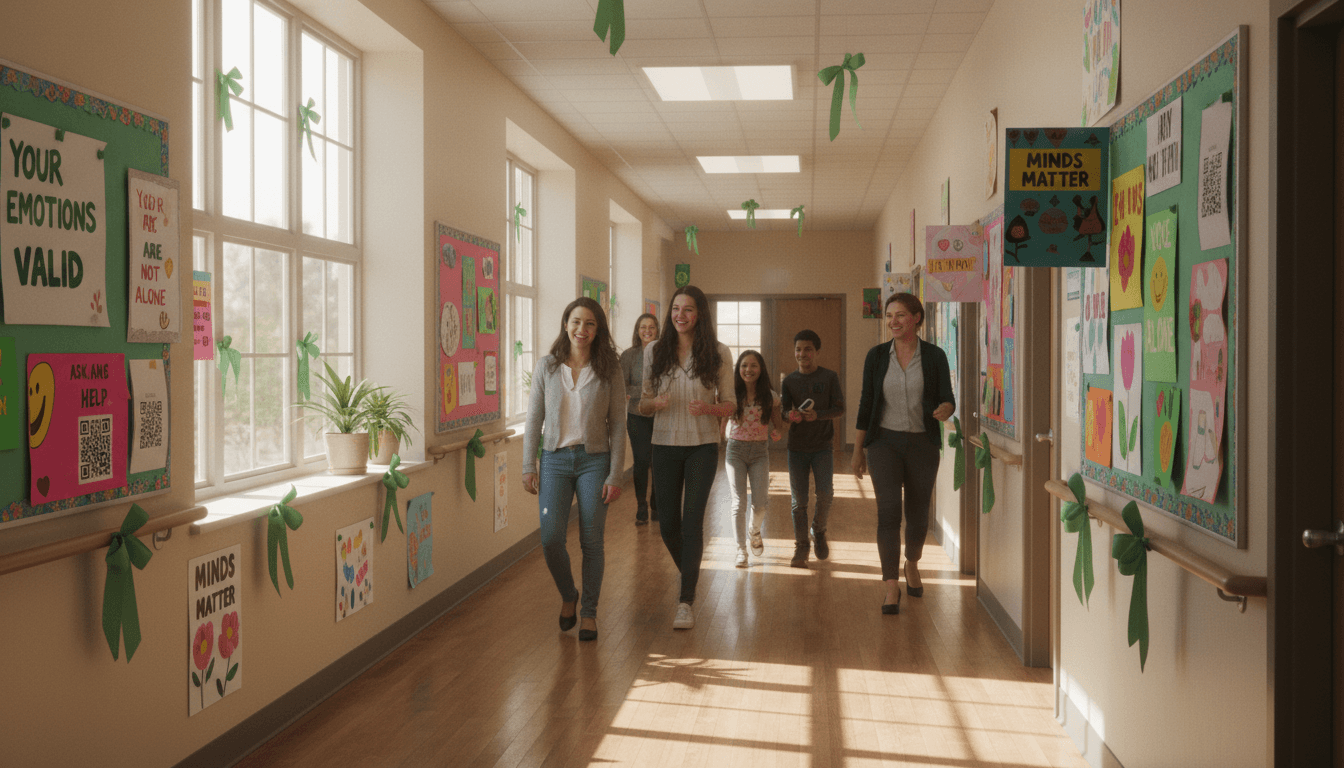
SEL Newsletter for Mental Health Awareness Month: A Template
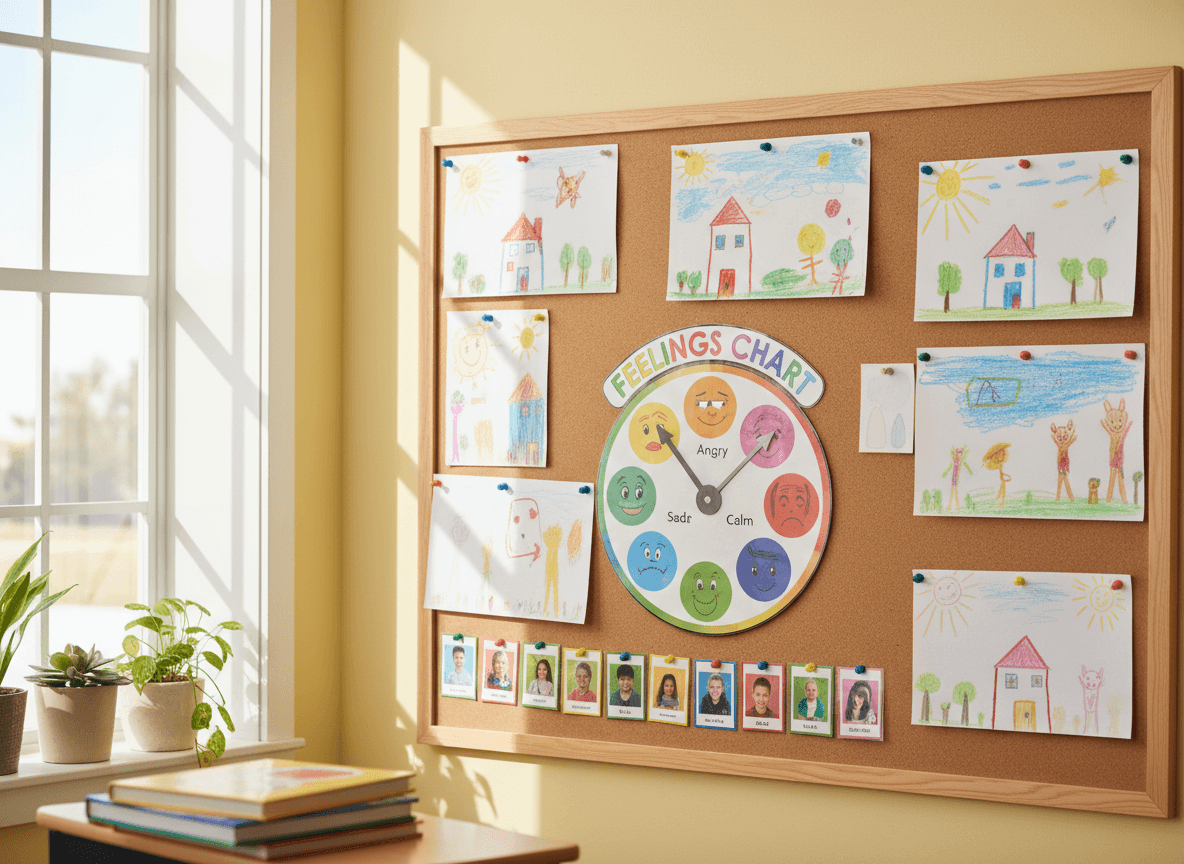
May is Mental Health Awareness Month, which means many schools send home a newsletter about it. Most of those newsletters either feel clinical or feel like a poster campaign. The version that works does something different. It tells parents which feelings the class has been naming, what supports the school has in place for every student, and how to ask for more if a family wants it. No diagnoses. No urgency. Just plain language and an open door.
Open with feelings, not awareness
The phrase mental health awareness is true but flat. It does not tell a parent what their kid is learning. Open instead with the thing the class actually practices. "This month, we are naming feelings out loud. Frustration. Disappointment. Loneliness. Pride." Naming the words upfront does the awareness work without the slogan.
Feelings come and go
One short paragraph for parents that says feelings are not problems. They move through. A child who is sad on Tuesday is not a sad child. They are a child who had a sad Tuesday. The teacher's version of this is teaching kids the language to name it, sit with it for a minute, and let it pass. Parents can do the same at home by avoiding the impulse to fix every feeling the second it shows up. Sometimes the kindest thing is to sit next to a kid who is upset and not say anything.
What the school counselor actually does
Most parents have a fuzzy picture of the school counselor. The newsletter is a clean place to fix that. The counselor runs small groups on friendship and stress, sees individual kids when a teacher or parent asks, helps with transitions, and is the person the school calls in for big things like a death in a family or a crisis at home. Name the counselor by name. Include their email. Mention that every kid in the class will likely see them at some point in the year, not because something is wrong, but because that is how the school works.
Reducing stigma without using the word stigma
The fastest way to reduce stigma is to talk about mental health the same way you talk about physical health. "When kids are tired, we say so. When kids are anxious, we say so. Both are things bodies do." Avoid the word stigma in the parent letter itself. Most parents tune out abstract vocabulary. Concrete examples do the work.
A short example
Here is what a parent section can look like:
Last week, a student told me they were 'disappointed' that their team did not win the math game. That word, disappointed, is the one we have been practicing for two weeks. A year ago, the same kid would have said mad and kicked a chair. Naming the feeling slowed everything down. They sat with it for a minute. Then they went back to playing.
When to reach out
Give parents a clear signal for when to call the school. Sleep changes that last more than two weeks. Withdrawal from friends or favorite activities. Saying they do not want to come to school every morning for a stretch. Sudden changes in appetite. Big emotional swings that feel new. Tell parents the right next step is an email to the teacher and the counselor, not a Google search at midnight.
One thing parents can do this month
Give one specific prompt. "This week, ask your child to name three feelings they had today. Then ask which one was the strongest." Two questions. The answers are often surprising. Kids will name bored, excited, embarrassed, or curious before they get to the big ones. The exercise builds the vocabulary at home that the teacher is building at school.
How Daystage helps with Mental Health Awareness Month
Daystage has a Mental Health Awareness Month template that includes the feelings vocabulary block, the counselor section, and the when-to-reach-out paragraph. You add the counselor's name and any school-specific events. Daystage drafts the rest in your voice in under ten minutes. Parents end up with a letter that reads like a teacher who knows their kid, not a district memo.
Get one newsletter idea every week.
Free. For teachers. No spam.
Frequently asked questions
When should the Mental Health Awareness Month newsletter go home?
Send it the first week of May. A second one mid-month is optional but useful if your school is hosting an event or a counselor visit families should know about. Avoid sending it after May 20, when the end-of-year wave drowns out everything else.
Should the newsletter mention specific diagnoses?
No. This newsletter is not a clinical document. It is a parent letter about feelings, school supports, and where to go for help if a family wants more. Naming diagnoses raises the bar in a way that scares parents off. Name behaviors and feelings instead. 'A kid who has trouble calming down after recess' beats 'a child showing signs of dysregulation.'
How do you talk about the school counselor without making it feel like a flag?
Frame the counselor as a regular part of the school, the way the librarian or the nurse is. 'Our counselor sees every student in our class at some point during the year, not because something is wrong, but because that is part of how our school works.' That single line dissolves the stigma without naming it.
What is a feelings vocabulary and why does it matter?
A feelings vocabulary is the set of words a kid has for what is going on inside them. A child with only happy, sad, and mad ends up using mad for everything from disappointment to embarrassment to grief. A child who can name frustrated, lonely, jealous, or overwhelmed can ask for what they need. The teacher's job in May is to share a few of those words with parents so the language carries home.
Can Daystage help draft the Mental Health Awareness Month newsletter?
Daystage has a Mental Health Awareness Month template with the stigma-reduction language, the counselor-as-routine framing, and a short feelings vocabulary list already in place. You add classroom-specific notes. It drafts the newsletter in your voice in under ten minutes.

Adi Ackerman
Author
Adi Ackerman is a former classroom teacher and curriculum writer with 8 years in K-8 schools. She writes about school communication, parent engagement, and what actually works in real classrooms.
More for Social-Emotional Learning
Ready to send your first newsletter?
3 newsletters free. No credit card. First one ready in under 5 minutes.
Get started free