
Fifth Grade SEL Newsletter: What to Send Each Month

Fifth grade is the bridge year. The students still want to be called by name and have a class pet. They also want a phone and to walk home alone. Their bodies are starting to change. Their moods swing without warning. Their friend groups re-shuffle every three weeks. A fifth grade SEL newsletter that meets families in this moment, with honesty and without alarm, sets them up for middle school in a way nothing else does.
Name the mood-swing year directly
Most fifth grade parents are caught off guard. The cheerful kid who got off the bus chatting last year is suddenly slamming doors and crying about homework. One sentence in your first newsletter of the year handles it. "Pre-puberty mood swings start in fifth grade for many kids. If your evenings feel harder this year, you are not alone." Parents exhale.
Describe the restorative circle once
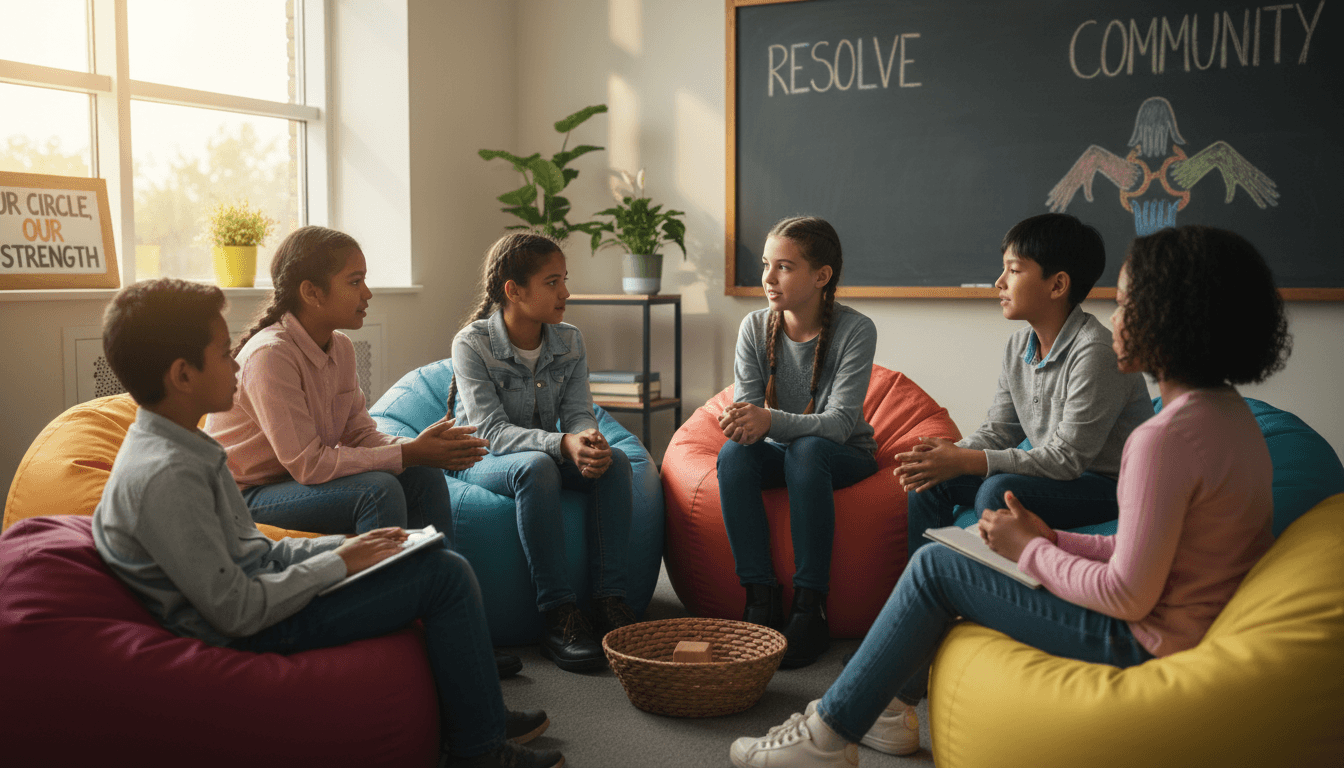
Fifth graders can sit in a circle and talk about a conflict. They are not always graceful at it, but they can do it. Tell parents what the routine looks like. "When two students have a conflict, we sit in a small circle. They take turns with a talking piece. They name what happened and what they need. Most circles take 15 minutes. Most of the time, they work." Three to four sentences.
Pick the moment of the month
Monthly is the right cadence for fifth grade. Each month, one story. A circle that worked. A friendship that re-formed. A student who tried out for the school play. Generalize enough that no one is identified. Specific enough that the moment feels real. This section is the one parents will quote back to you at conferences.
The before-middle-school conversation
Start in January or February. One section in one newsletter. "In four months, your child will be in middle school. Here are three things we are practicing now that will matter then. Asking a teacher a question without you in the room. Carrying their own materials between classes. Handling a small social misunderstanding without bringing it home as a five-alarm fire." Specific. Concrete. No alarm.
One example: a 200-word section
This month we had two restorative circles. Both involved group-text drama that started over the weekend and arrived at school on Monday. Both took about 20 minutes. In one, the two students agreed they had each over-reacted and went back to being friends by Wednesday. In the other, they agreed they needed space for a while, and the rest of the class understood. Both are wins.
At home, you can build this skill by waiting before jumping in when your child reports a friend conflict. Ask, "What do you want to do about it? Who do you want to talk to first?" Then let them try. Most fifth graders can handle it. They just need the runway.
Add one student-voice line
Rotate through the class. Each month, three or four students contribute one sentence about something that happened or a routine they like. Parents read those lines twice. The student-voice section is the most-read part of every fifth grade newsletter, in every classroom I have seen.
How Daystage helps with fifth grade SEL newsletters
Daystage has a fifth grade SEL template with the mood-swing framing, restorative-circle routine, moment of the month, before-middle-school section, and student-voice lines as preset sections. You type six or seven lines of notes from the month. Daystage drafts the newsletter in plain language. Sending to the class roster takes one click. Most teachers spend 15 to 20 minutes per issue.
Get one newsletter idea every week.
Free. For teachers. No spam.
Frequently asked questions
What is the fifth grade SEL shift parents are not ready for?
Pre-puberty mood swings start in fifth grade for many kids. The cheerful eight-year-old who got off the bus chatting last year is now monosyllabic some days and weepy others. Parents who do not know this is developmental panic. A newsletter that names the pattern early gives them the frame they need before they call the school worried something is wrong.
Are restorative circles really workable in fifth grade?
Yes, more so than in earlier grades. Fifth graders can hold a circle for 15 to 20 minutes, take turns with a talking piece, and reflect on what they did and what they would do differently. The newsletter does not need to teach parents the method. It describes the routine: 'When two students have a conflict, we sit in a small circle. They take turns talking. They name what happened and what they need.' That is enough.
When should the 'middle school is coming' conversation start in the newsletter?
January or February of fifth grade. Earlier feels premature. Later means parents do not have time to absorb what is changing. One newsletter that names the transition gives them a runway. 'In four months, your child will be in middle school. Here is what we are practicing now that will matter then.' Then list two or three things.
Should fifth graders be involved in writing the newsletter?
A short student-voice section works well at this age. One sentence per kid, rotating, about something the class did or a routine they like. Compiled and edited for the newsletter. Parents read those sentences twice. Their own child's voice in writing is irresistible. Keep it short, keep it light, and make sure every kid gets a turn over the year.
Can Daystage handle a monthly fifth grade SEL newsletter?
Monthly is the most common cadence for fifth grade and Daystage's template is built for it. Five sections preset. You type six or seven lines of notes about the month. Daystage drafts the issue, formats it for email, and sends to the class roster. Most teachers spend 15 to 20 minutes per issue.

Adi Ackerman
Author
Adi Ackerman is a former classroom teacher and curriculum writer with 8 years in K-8 schools. She writes about school communication, parent engagement, and what actually works in real classrooms.
More for Social-Emotional Learning
Ready to send your first newsletter?
3 newsletters free. No credit card. First one ready in under 5 minutes.
Get started free