

Science Newsletter for a Plants Unit: A Template Parents Will Read
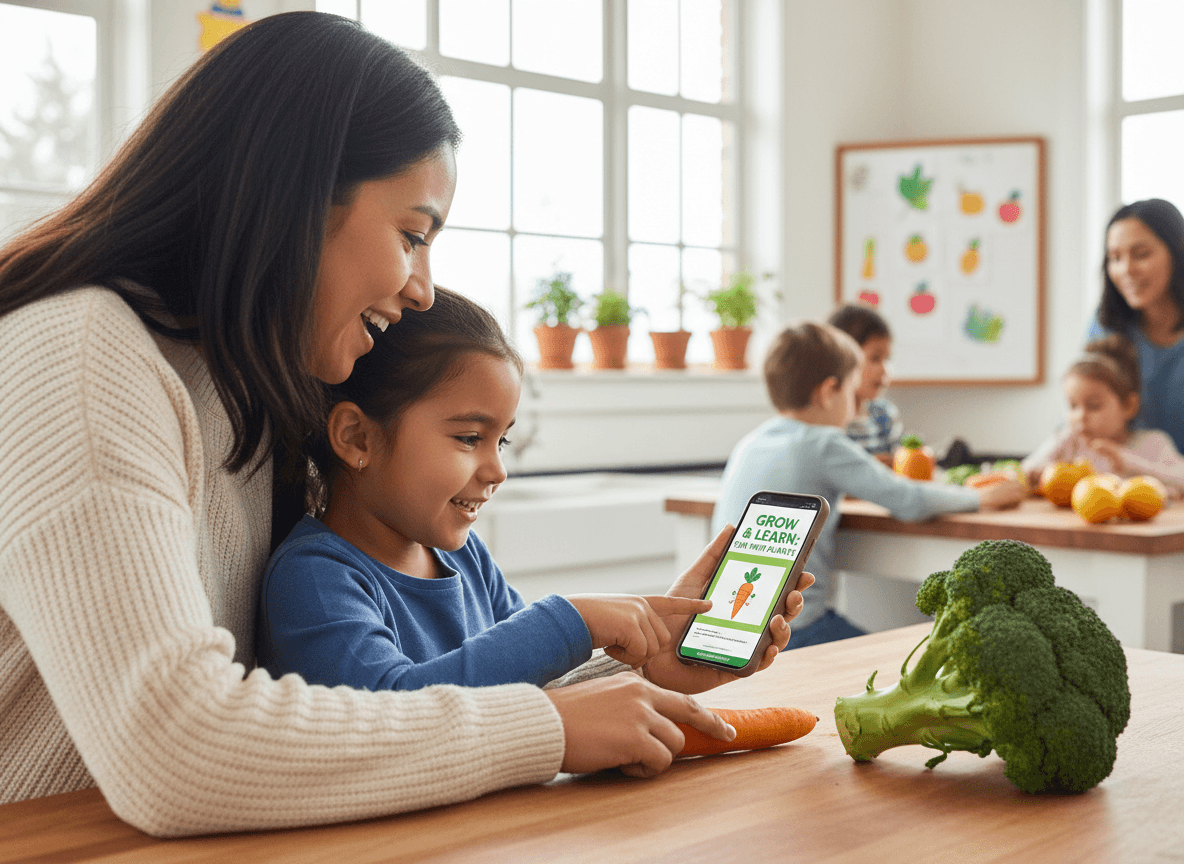
A plants unit is the easiest science unit to send home well. Kids see plants every day. Parents see them every day. The newsletter does not have to teach the science. It has to give the parent the right words and one outdoor question. If you do both, the unit lives in the backyard and the kitchen, not just the classroom.
Open with the big idea
"This unit, students are figuring out what plants need to grow and how each part of a plant does a job." One sentence. Parents get it. From here, every section reinforces the same idea.
The five plant parts kids can find at dinner
Roots, stem, leaves, flower, seed. Tie each one to food on the plate. Carrots are roots. Celery is a stem. Spinach is leaves. Broccoli is unopened flowers. Sunflower seeds are seeds. Parents love this section because it makes them feel smart at dinner. Kids love it because they get to point at a vegetable and call it by its real name.
Photosynthesis without jargon
"Plants make their own food. The ingredients are sunlight, water, and the air around us. The leaves are the kitchen." Three sentences. That is the whole concept at first grade. Save chlorophyll and stomata for later grades. The recipe framing is what sticks.
What we did this week
Pick the moment. "Students planted bean seeds in clear cups so we can watch the roots grow against the side of the cup. We will measure the roots and the stem every Friday for three weeks." That is specific. The kid can show the parent the same kind of cup at home.
Vocabulary parents will actually use
Roots, stem, leaves, flower, seed, sunlight, water. Seven words. Plain definitions. "Roots: the part of the plant that drinks water from the soil. Stem: the part that holds the plant up and moves water around." If a parent uses one of these at dinner, the unit is doing its job.
At-home extension: the leaf walk
Ten minutes. "Walk around the block with your child. Find three leaves that look different. Notice the shape, the edge (smooth or bumpy), and the color. Bring one back to school in a folder on Friday." Doable. Free. Creates a piece of student work for next week's newsletter photo.
Template excerpt: a first grade plants unit issue
Big idea: Plants need sunlight, water, and soil to grow. Each part of the plant has a job.
What we did: Students planted bean seeds in clear cups. Every cup has wet paper towel and a seed pressed against the side so we can see the roots. We made first observation drawings on Wednesday.
Vocabulary: Roots, stem, leaves, flower, seed.
Ask at home: Look at dinner tonight. Find one food that is roots, one that is leaves, and one that is seeds.
Coming up: Leaf walk Friday morning. Send a folder or large envelope with your child.
The misconception worth heading off
Many kids (and many adults) believe plants eat soil. Drop one line in the newsletter the first week. "Plants do not eat the soil. They drink water through their roots and use sunlight to make their own food in the leaves." One sentence. Saves a unit of confusion.
How Daystage helps with a plants unit newsletter
Daystage gives you the five-section science template ready to drop plants content into. You build it once, duplicate it weekly, and edit only the activity. It sends to your full class roster as a clean email, parents do not need to download anything, and you can write the next issue from your phone while waiting for car line.
Get one newsletter idea every week.
Free. For teachers. No spam.
Frequently asked questions
How do I explain photosynthesis without the word 'chlorophyll'?
Use the recipe framing. 'Plants make their own food. The ingredients are sunlight, water, and the air around us. The leaves are the kitchen.' That is accurate enough for first grade and gives a parent something to repeat. Add 'chlorophyll' in third grade. Skip it in K-2.
What plant parts should the newsletter cover?
Roots, stem, leaves, flower, seed. Five parts. Tie each one to something on the dinner table. Carrots are roots. Celery is a stem. Lettuce is leaves. Broccoli is flowers. Sunflower seeds are seeds. Parents read that once and use it for the rest of the unit.
What is the best at-home extension for a plants unit?
A 10-minute outdoor walk. 'Find three different leaves. Notice the shape, the edge, the color. Bring one back to school.' Doable on a weeknight. No supplies. The leaf becomes the conversation starter the next morning.
Should we grow seeds in class for this unit?
Yes, if you have a sunny window. Bean seeds in clear cups against the side of the cup let students watch the root grow. Two weeks, no special soil, and the photo goes straight into the next newsletter. It is the most reliable plants activity at this grade.
Does Daystage have a template for a plants unit newsletter?
Yes. Daystage gives you the five-section science template (big idea, what we did, vocabulary, ask at home, coming up) you build once and reuse every two weeks. It sends as a real email to your class roster and works on a phone.

Adi Ackerman
Author
Adi Ackerman is a former classroom teacher and curriculum writer with 8 years in K-8 schools. She writes about school communication, parent engagement, and what actually works in real classrooms.
More for Science Newsletter
Ready to send your first newsletter?
3 newsletters free. No credit card. First one ready in under 5 minutes.
Get started free