

Science Department Newsletter: A Template for Secondary Schools
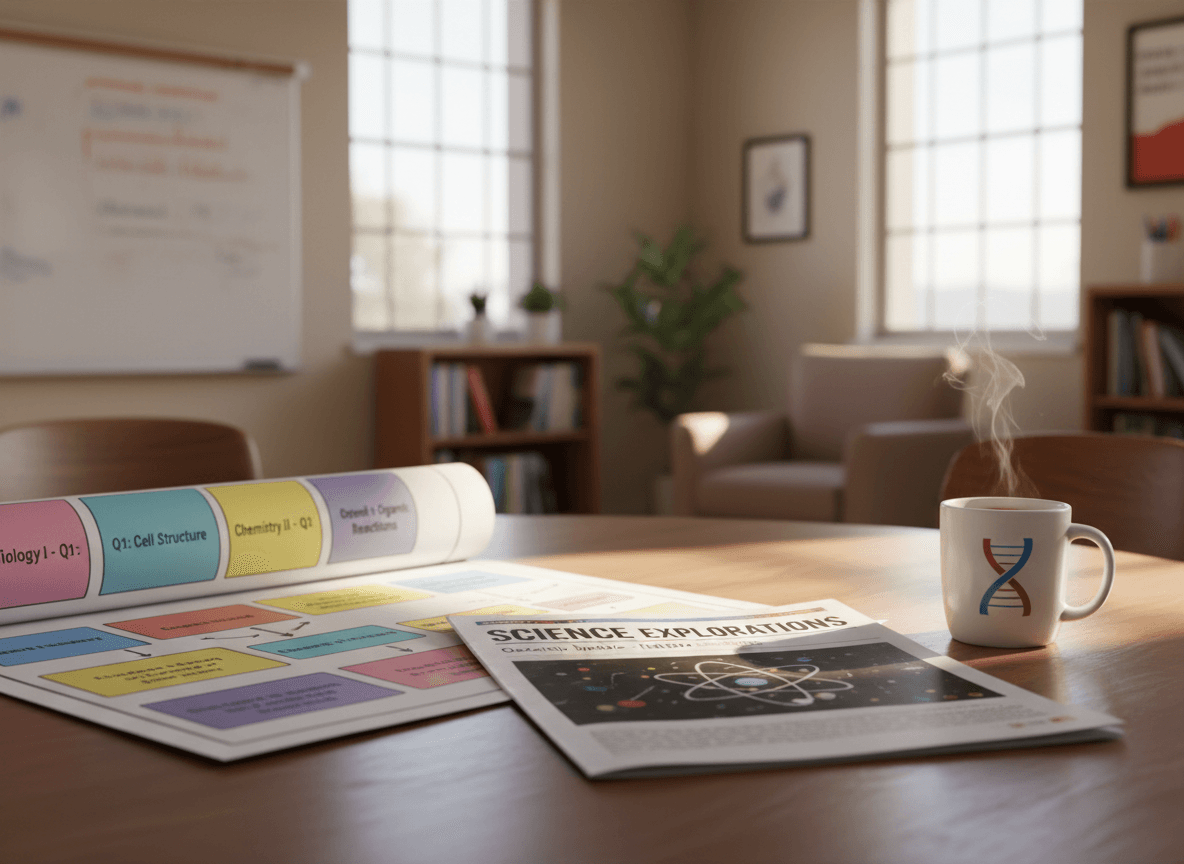
A science department newsletter is not a parent newsletter. The audience is the eight teachers in your department, the principal on cc, and the curriculum director who needs to know what is happening without sitting in every meeting. Monthly cadence, six sections, written by the department head. This template covers what actually matters: vertical articulation, common assessments, upcoming PD, and the safety reminder no one wants to miss.
Section 1: What is going on across the grades
One paragraph per grade level. 6th: starting matter and energy. 7th: chemistry unit, common quiz on the 22nd. 8th: ecosystems, starting the model-based assessment. High school: physics first unit is wrapping. Reading this, every teacher sees where the rest of the department is and what is coming at them next year.
Section 2: Vertical articulation flags
Two or three notes. "8th grade reports students are not arriving with a working concept of density. 7th grade, can we look at when and how we cover it? Same conversation as last spring." This is the section that makes a department newsletter worth reading. Real gaps, named clearly, with the teachers who need to talk identified.
Section 3: Common assessments and data
Three numbers max. Common quiz average across sections, gap between the highest and lowest section, one item the whole grade missed. "7th grade conduction quiz: average 78 percent, range across sections 71 to 84, the item on convection currents was missed by 62 percent. Worth a re-teach." Teachers can act on that. They cannot act on a long data table.
Section 4: Upcoming PD and coverage
Dates and what is required. "October 14, half-day NGSS phenomena workshop, 6th and 7th grade attend, sub coverage already confirmed. November 2, optional after-school session on CER writing, sign up by the 28th." No surprises. No 'oh I did not know that was a release day'.
Section 5: Safety audit reminder
One specific check each month. "October check: eyewash stations flushed and dated, MSDS binder current, fire blanket in every lab room." Rotate the checks. Twelve months covers everything once a year without making any single inspection day feel like a bureaucratic event.
Section 6: Wins and shout-outs
Three lines. A teacher who tried something new, a student team that won a regional fair, a parent who sent thanks. Keeps the department feeling like a department, not a hallway. Skip a month if nothing real happened. Fake celebration reads worse than silence.
Example: an October department newsletter
Grades section runs through 6th through 12th in six lines. Articulation flag on density between 7th and 8th. Common quiz data from the conduction unit with the convection re-teach call-out. PD section names the October 14 phenomena workshop and confirms coverage. Safety check is eyewash stations. Wins section names a teacher who piloted a CER protocol that the rest of the department wants to try. Total length: 600 words. Reading time: four minutes.
Why this template works
It treats teachers like professionals. No padding, no explanations of things they already know. Real data, specific flags, named names. A new department head can copy this template, fill it in for the first month, and have something credible to send by the end of week one.
How Daystage helps with the science department newsletter
Daystage keeps a separate mailing list for the department, sends the monthly newsletter only to teachers and admin, and archives every past issue in one place. A new hire can read the last six months on day one and walk into the first department meeting already knowing what is going on.
Get one newsletter idea every week.
Free. For teachers. No spam.
Frequently asked questions
Who is the audience for a science department newsletter?
The science teachers in the department, plus the principal and curriculum director on cc. It is internal, not a parent newsletter. Tone is collegial and specific. Acronyms are fine. You can drop names of units and assessments without explaining them.
How often should a department newsletter go out?
Monthly during the year. Weekly is too much, quarterly is too little. Once a month gives you enough material for real content (data, decisions, PD) without becoming a chore for the writer or noise for the reader.
What is vertical articulation and why does it belong in the newsletter?
Vertical articulation is making sure 7th grade builds on what 6th grade did, and 8th grade builds on 7th. The newsletter is where you flag the gaps and overlaps so teachers can adjust before next year's planning cycle, not after.
Should the safety audit reminder be in every issue?
Yes, in some form. Safety culture stays alive by being mentioned constantly. Even a one-line 'this month: check eyewash stations and the date on the fire extinguisher in your room' keeps it from becoming a once-a-year ceremony.
Can Daystage send a department-only newsletter?
Yes. Daystage lets you keep a separate department mailing list, send the monthly newsletter to teachers and admin only, and store all past issues in one place so a new hire can read the last six months and catch up fast.

Adi Ackerman
Author
Adi Ackerman is a former classroom teacher and curriculum writer with 8 years in K-8 schools. She writes about school communication, parent engagement, and what actually works in real classrooms.
More for Science Newsletter
Ready to send your first newsletter?
3 newsletters free. No credit card. First one ready in under 5 minutes.
Get started free