
Lab Safety Newsletter for Parents: What They Need to Know Before Day One
Lab safety is the one science topic where you cannot afford to be vague. Parents need to understand what their student will handle, what PPE is provided, what is required from home, and what happens if something goes wrong. The newsletter that delivers all of that without sounding like an OSHA pamphlet is the one that builds trust for the rest of the year. Get it right early and the rest of your communication is downhill.
Open with the why, not the rules
Start with one paragraph that explains why lab work matters and why safety is non-negotiable. "Real science means real materials. Your student will work with chemicals, glassware, and heat sources this year because that is how scientists work. Safety is the price of admission to that experience, and we take it seriously." That framing sets up everything that follows. Parents who buy into the why are easier to work with on the rules.
List the PPE clearly
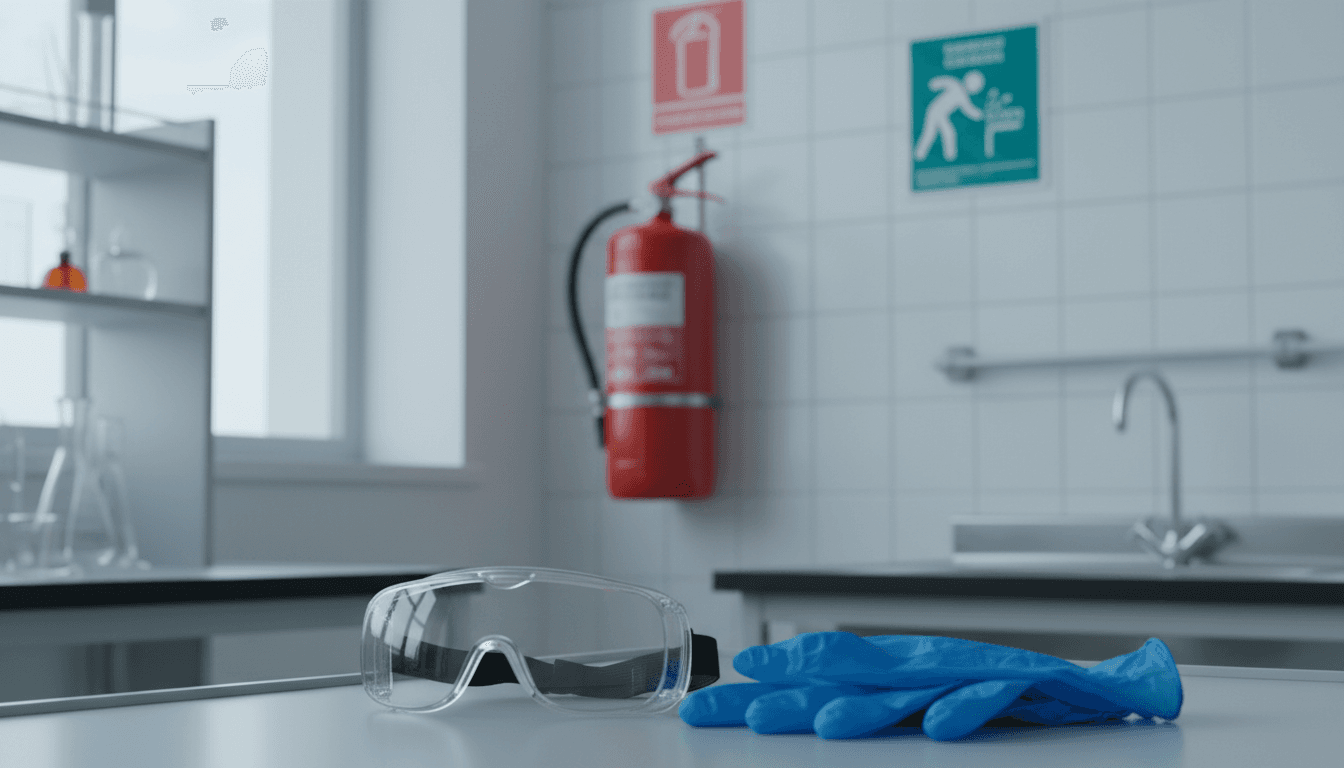
Three columns. What we provide, what students bring, what we never compromise on. Goggles, aprons, and gloves we provide. Closed-toe shoes and hair ties students bring on lab days (note the days in your unit calendar). The non-negotiable: goggles on for the entire lab, every lab, no exceptions. Spell that out. It is the rule that gets tested most.
Walk through the chemicals you will use
Not every chemical for the year. Just the ones with meaningful exposure risk. For a high school chemistry class that means acids, bases, oxidizers, and any organic solvents. Common name, concentration, what it is for, what the risk is, what protections are in place. "Sodium hydroxide (1M, used in titration labs) is corrosive to skin. Students wear gloves and aprons. The bottle stays at the front of the room and is dispensed by the teacher only." Parents do not need a chemistry degree. They need to know you are not winging it.
Cover the safety contract
One page, three sections. Behavior expectations, PPE requirements, parent acknowledgment. Tell parents what the contract means: it is not a legal release, it is a shared agreement that their student will follow protocol and that the parent has read what protocol looks like. Students who do not return a signed contract do labs as observers only. That is your enforcement mechanism. Do not hide it.
Spell out the incident protocol
Three steps. What happens at the moment of injury (eyewash, first aid, nurse). What happens after (incident report, parent phone call the same day). What follow-up looks like (review with the student, any change to procedure for the next class). A parent who reads this section and understands the protocol will not panic if they get a phone call later. They already know what is happening on the other end of the line.
Template excerpt: opening paragraph and PPE table
Here is how the first half of a lab safety newsletter looks in practice:
Welcome to chemistry. This year your student will run 24 labs, ranging from simple density measurements to a multi-day kinetics investigation. Most of those labs involve real chemicals and real equipment, which is why safety matters. This letter walks through what your student will use, what protections are in place, and what we need from you before the first lab on September 12.
What we provide: Goggles, aprons, gloves, eyewash station, fire blanket, fire extinguisher.
What students bring on lab days: Closed-toe shoes, hair ties for hair below the shoulders.
Non-negotiable: Goggles on for the entire lab. Every lab. No exceptions.
Address the parent who is worried about something specific
Some parents will read the newsletter and immediately have a question. A student with asthma. A student with a latex allergy. A student who has had a panic attack around fire. End the newsletter with a paragraph inviting those conversations. "If your student has a medical condition that affects lab participation, email me by September 5 so we can plan accommodations together." That sentence prevents the awkward mid-lab call from a parent who never told you.
How Daystage helps with lab safety newsletters
Daystage gives you a clean way to send the lab safety newsletter to every parent in your roster, attach the safety contract as a single PDF, and see who opened the email. The teachers who use it pull up the open-rate report on day three of school and send a reminder to the families who have not opened it yet. That alone gets contracts back on time and keeps the first lab on schedule.
Get one newsletter idea every week.
Free. For teachers. No spam.
Frequently asked questions
When should the lab safety newsletter go out?
Before the first lab. Not the first day of school, the first day students will actually handle equipment. That gives parents time to read it, ask questions, and return the signed safety contract. Sending it the day of the lab means at least a third of contracts come back late and you spend two periods chasing signatures.
What should be in the lab safety contract that parents sign?
Three things. The behavior expectations (no horseplay, follow directions, ask before doing anything new), the PPE requirements (goggles always, closed-toe shoes for lab days, hair tied back for open flames), and a parent acknowledgment that they have read the safety section of the newsletter. Keep it on one page. Long contracts get signed without being read.
How much detail about chemicals should the safety newsletter include?
Enough that a parent with no science background understands what their student will work with. List the chemicals by common name, what they do, and what the worst-case exposure looks like. 'Hydrochloric acid (1M, used in the rate of reaction lab) can cause skin and eye irritation. Students wear goggles and aprons, and we have an eyewash station three feet from every lab bench.' That is honest and reassuring.
Should the newsletter mention what happens if a student gets injured?
Yes. One paragraph on your incident protocol, one paragraph on when parents will be notified. 'Any injury, even a minor one, gets reported to the office and to parents the same day.' Parents who know your protocol stop worrying about the unknown. Parents who do not know it imagine the worst.
Can Daystage help send a lab safety newsletter?
Yes. Daystage lets you build a lab safety newsletter once, attach the safety contract as a clean PDF, and send to every parent on your roster. You can track who opened it, which gives you a head start on chasing the contracts that did not come back. Reuse the same newsletter every year with one or two edits.

Adi Ackerman
Author
Adi Ackerman is a former classroom teacher and curriculum writer with 8 years in K-8 schools. She writes about school communication, parent engagement, and what actually works in real classrooms.
More for Science Newsletter
Ready to send your first newsletter?
3 newsletters free. No credit card. First one ready in under 5 minutes.
Get started free