

First Grade Science Newsletter: A Template With Examples
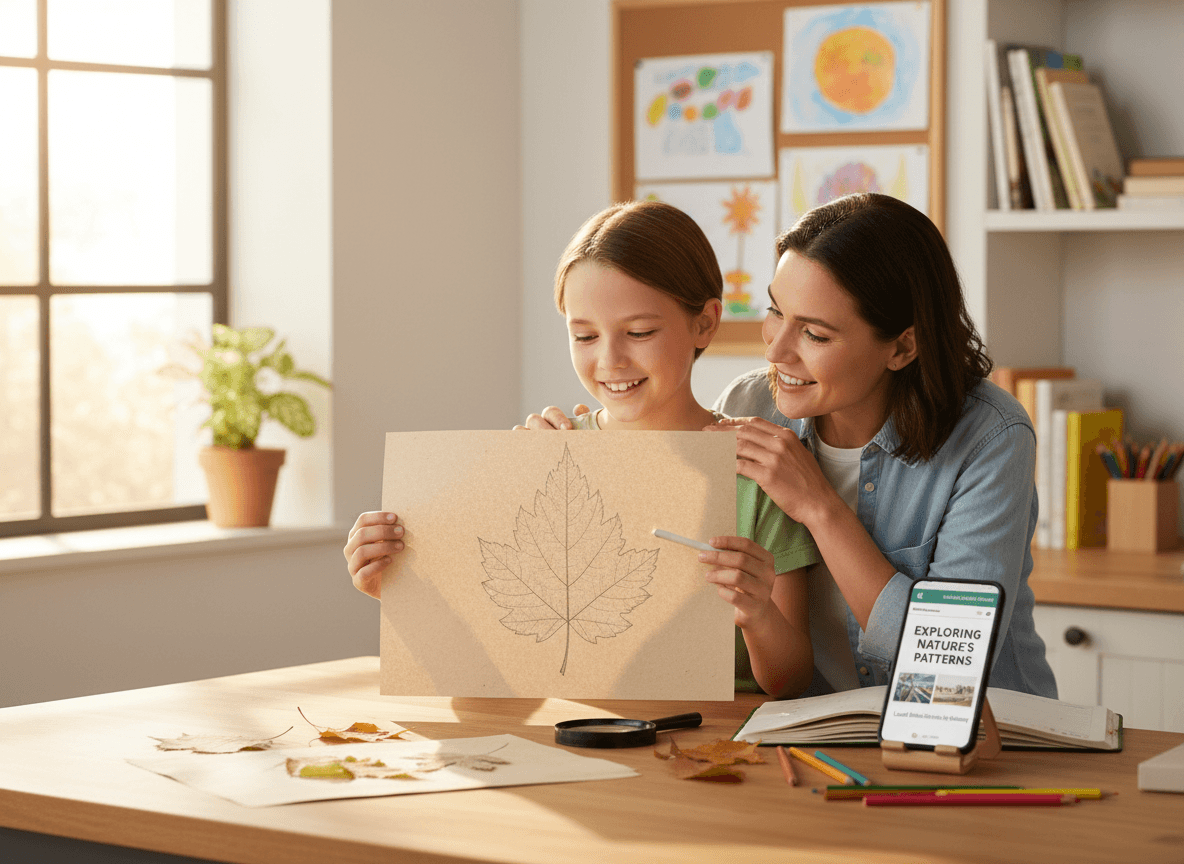
First grade science is the year the notice and wonder routine clicks. Students learn that science is asking good questions about things they can see. The newsletter that supports it should give parents the same two prompts and the same kind of invitation. Look at something. Say what you notice. Say what you wonder. Four short sections do the whole job, and parents who use the prompts at home double the reach of every lesson.
Open with the notice and wonder of the week
Pick one thing students observed in class. Print both prompts. "This week we observed a bean seedling growing in a cup. What we noticed: the root grew first, before the leaves. What we wondered: how does the plant know which way is up?" That single paragraph teaches parents the routine without saying the word routine.
What we did this week
Two sentences. Name the observation and what students drew or sorted. "Students drew observation pictures of their bean seedlings on Monday and Friday so they could compare. Most seedlings grew about two centimeters in a week." Specific. Measurable. The student can show the parent the drawing.
One new word
Just one. Plain definition. "Observation: looking carefully and noticing details you might miss at first." Or "Predict: to make a smart guess about what will happen next, based on what you already see." Parents who hear the word at home use it.
The 10-minute outdoor extension
"Walk to one tree near your house. Look at it for two minutes. What do you notice? (Shape, color, leaves, bark, anything living on it?) What do you wonder? Bring one question back to share Monday." Free. Doable. Uses the same routine. Builds the first grade science habit at home.
Template excerpt: a first grade plants observation issue
Notice and wonder this week: We observed bean seedlings in clear cups. We noticed the roots grew before the leaves. We wondered how the seedling knows which way to grow.
What we did: Students made observation drawings on Monday and Friday. Most seedlings grew about two centimeters in five days.
New word: Observation (looking carefully and noticing details).
Ask at home: Walk to one tree near your house. What do you notice? What do you wonder?
Why this template beats a "this week in science" recap
A generic recap reads like a memo. The notice and wonder opener invites the parent into the routine. They are not reading about what their child did. They are doing the same thing at home, in two minutes, on a walk. That shift turns a newsletter into a conversation.
Photos of student work, not stock images
One photo per issue. A first grade observation drawing of a leaf, a worm, a seedling. Get media releases at the start of the year so you do not have to chase permission for each one. A picture of a student drawing speaks louder than three paragraphs about what students learned.
How Daystage helps with a first grade science newsletter
Daystage gives you a short four-section template with a notice and wonder header built in. You set it up once at the start of the year and edit only the observation, the word, and the outdoor task. It sends to your full class roster as a real email, parents read it on a phone in 30 seconds, and you can write the next issue from your phone during morning recess duty.
Get one newsletter idea every week.
Free. For teachers. No spam.
Frequently asked questions
What is the notice and wonder routine for first grade science?
Two prompts every observation. 'What do you notice?' (things you see, hear, smell, feel) and 'What do you wonder?' (questions the noticing made you ask). It is the spine of first grade science. The newsletter should put both prompts in every issue so parents use the same language at home.
How long should a first grade science newsletter be?
Under 250 words. Slightly longer than kindergarten because parents now expect a bit more. Still on one phone screen with no scrolling effort. Four short sections, one specific question, one photo.
Should first grade newsletters include observation drawings?
Yes. One per issue. Show a photo of a student drawing of whatever is being observed (a seedling, a worm, a rock). It shows parents the kind of work their child is doing and signals that drawing is real first grade science work, not just art.
What at-home extension works for first grade?
Ten minutes outside with the notice and wonder prompts. 'Look at one tree in your yard or on a walk. What do you notice? What do you wonder?' Doable. Free. Builds the same routine they use in class. Two questions. One walk.
Does Daystage have a first grade science newsletter template?
Yes. Daystage gives you a short four-section template (notice and wonder of the week, what we did, one new word, ask at home) built for the first grade reading time. It sends as a real email to your class roster and works on a phone with no app to download.

Adi Ackerman
Author
Adi Ackerman is a former classroom teacher and curriculum writer with 8 years in K-8 schools. She writes about school communication, parent engagement, and what actually works in real classrooms.
More for Science Newsletter
Ready to send your first newsletter?
3 newsletters free. No credit card. First one ready in under 5 minutes.
Get started free