
Third Grade Library Newsletter: Sections That Get Read
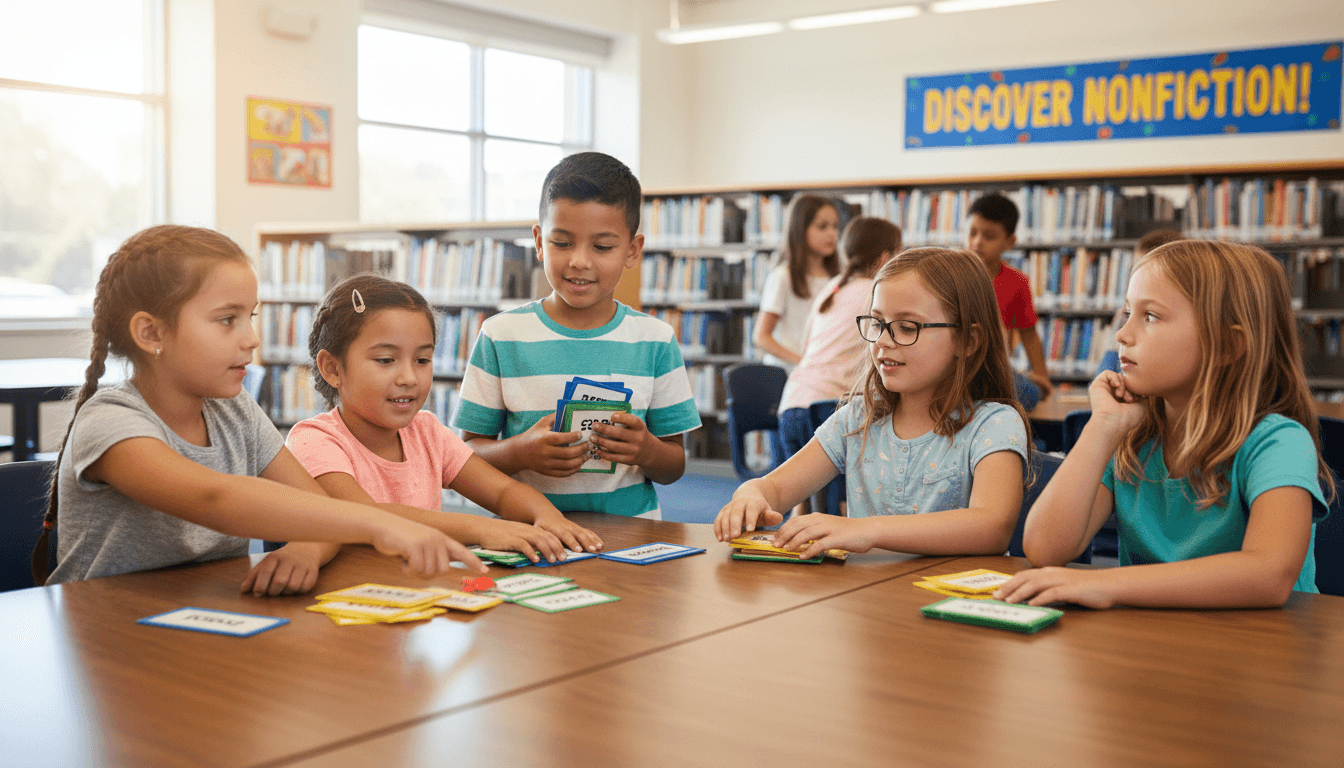
Third grade is the year the library stops being just a place to check out picture books. Kids start their first real research projects, learn that nonfiction has an organizing system, and discover series long enough to keep them busy for a month. The newsletter has to keep up with all three shifts at once.
Write for parents, design for skim
Most third grade families are still reading their school emails. By fifth grade many will have tuned out. Use that window. Write every section so a parent can get the point in 20 seconds and act on it in five more. No long paragraphs. No insider language.
Section 1: librarian note
Two or three sentences about what third grade has been doing in the library this month. Example: "Third grade started a research unit on habitats. They are pulling nonfiction books from the 590s shelf for the first time, which means they are also learning what 590s means. Final projects are due October 24."
Section 2: book pick of the month
One book, cover image, three sentences. Example: "The Wild Robot by Peter Brown. A friendly robot named Roz wakes up alone on an island and learns to survive. Best for third graders ready for a longer chapter book with short chapters and big themes. One of our third graders read it across two weekends and then read book two in three days."
Section 3: what is happening in the library this month
One paragraph on the active program or unit. Use specific dates and what families need to know. Example: "Research unit is running through October 24. Each third grader is researching one habitat and writing a one-page report. We are using the nonfiction collection and PebbleGo. If your kid is missing a book or having trouble, email me and we will figure it out."
Section 4: the just-added shelf
Five to seven new titles with grade ranges. Example:
- Stink: The Incredible Shrinking Kid by Megan McDonald (grades 2-4)
- The Last Kids on Earth by Max Brallier (grades 3-5)
- Front Desk by Kelly Yang (grades 3-5)
- Bad Guys by Aaron Blabey (grades 2-4)
- The Vanderbeekers of 141st Street by Karina Yan Glaser (grades 3-5)
Section 5: try this at home
One concrete activity. Example: "Try a nonfiction night this week. Each kid pulls one nonfiction book from their library haul, reads two pages, and shares one new fact at dinner. Most third graders will latch onto something and want to read more. Habitat books are great for this right now because the whole grade is in research mode."
Footer: how third grade library works
One small block at the bottom, same every month. "Third graders visit the library Mondays. Checkout limit is three books. Books are due the following Monday. Replacement cost for lost books is the list price, but talk to me first if that is a problem."
The research project sidebar
When third grade is in a research unit, add a small sidebar near the top of the newsletter. Three lines: what the project is, when it is due, what families can do to help. Example: "Habitat research is due October 24. Each third grader picks one habitat and writes a one-page report with three facts and one drawing. At home: ask your kid which habitat they picked and what is surprising them about it. That is the whole homework."
Talking about Dewey without losing parents
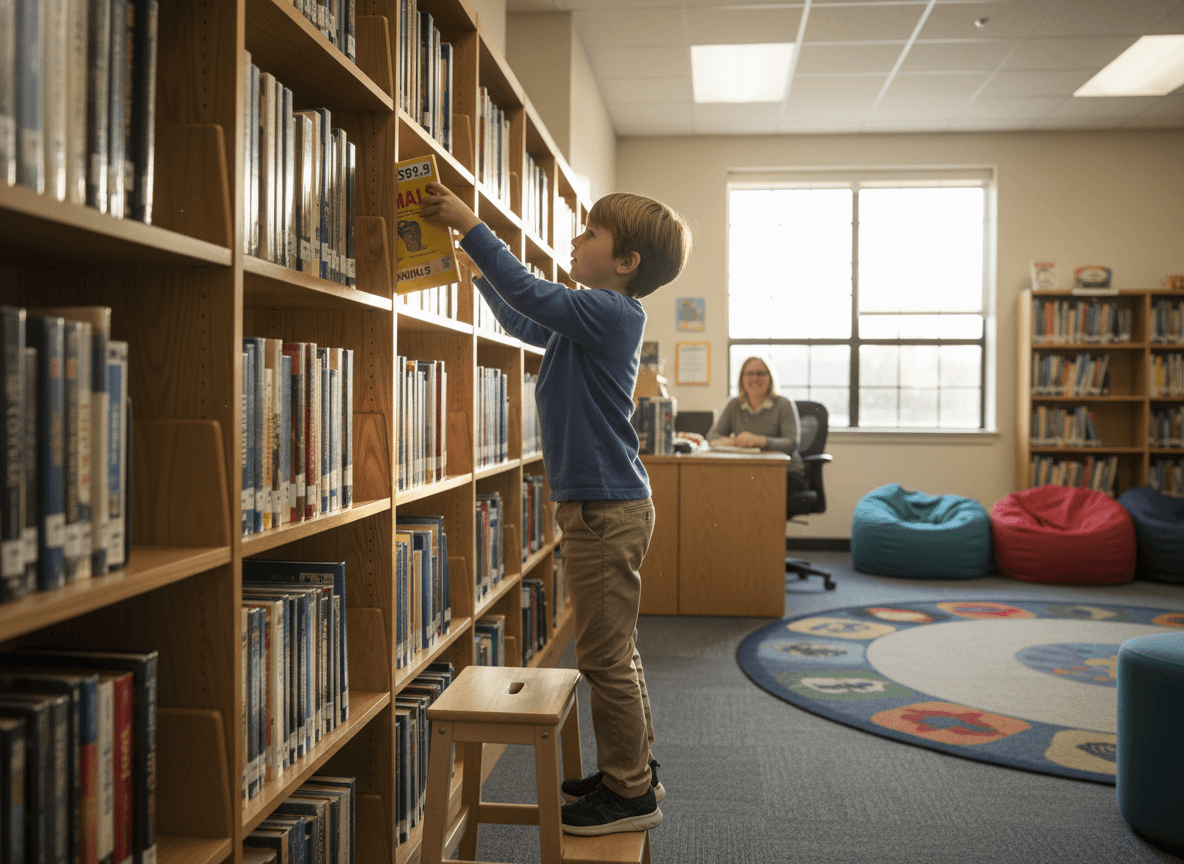
Most parents have not thought about Dewey since fifth grade. Translate, do not assume. Once a year, in the September or October newsletter, include a two-sentence Dewey paragraph aimed at parents. "Nonfiction books in the library are organized by subject using a number system called Dewey Decimal. Animals are in the 590s, sports are in the 790s, and your third grader is learning to find books on their own using these numbers." Then let it go for the rest of the year.
Database tips that actually get used
Most elementary libraries pay for at least one database that third graders are expected to use: PebbleGo, Britannica School, World Book Kids, or one of the state-funded options. Send the login and a two-sentence usage tip the week before the research unit, not at the start of the year. Example: "PebbleGo login for third grade habitat research: click the green Animals tile, type your habitat name, the first three articles are the easiest ones to read. Your kid's password is the same as their school login." Sent at the right moment, this kind of paragraph cuts homework-help emails by about half for the week of the project.
Setting the rhythm for the rest of elementary
Third grade is the year families start to understand what the library actually does. Use the newsletter to set that expectation. Once a quarter, include a short paragraph naming what is coming next: "Third grade builds the foundation for research. Fourth grade adds biography work and longer chapter books. Fifth grade gets into source evaluation and book clubs. Everything we do this year is preparing them for that." Two mentions a year is the right dose. Parents who read it once will carry the framing for the next three years.
How Daystage helps with third grade library newsletters
Daystage lets you build the five-section template once and refill it each month without redoing the design. The third grade families get a newsletter that fits on their phones and reads clean. You write the content, Daystage sends a branded email to your full parent list.
Get one newsletter idea every week.
Free. For teachers. No spam.
Frequently asked questions
Is third grade too early to introduce the Dewey Decimal system?
Third grade is exactly when it lands. Younger kids treat the library as a giant browse. Third graders are ready to learn that nonfiction is organized on purpose and they can find a book about sharks without asking an adult. Most third grade librarians do a short Dewey unit in fall. The newsletter is a good place to reinforce it for parents.
How do you talk about research projects in a parent newsletter?
Plain language and concrete. Skip the words inquiry-based or information literacy. Tell parents what the kid is researching, where in the library they are finding sources, and what they will produce at the end. 'Third graders are researching one animal each. Posters due October 24. Library research blocks this week and next.' That is the whole communication.
What chapter book recommendations work for the whole third grade?
Aim for series at the longer-early-chapter range. Stink, Geronimo Stilton, Last Kids on Earth, Bad Guys, The Wild Robot. Range matters because third graders read across a wide band. One kid is finishing Magic Tree House and another is starting Percy Jackson. Recommend a mix.
Should you include digital resources like databases in the newsletter?
Yes, but only when third graders are about to use them. Sending PebbleGo or Britannica School links in a newsletter once a year and hoping parents bookmark them does not work. Send the link the week before the research unit starts, with two sentences about what the kid will do with it. That is a usable communication.
Is there a tool that handles this kind of layout without design work?
Daystage was built for school staff who want a clean newsletter out the door without fighting with image sizes or columns. The third grade template plugs in cleanly, you save it once, and each month you refill the five sections. The newsletter goes to your parent list looking like the school sent it on purpose.

Adi Ackerman
Author
Adi Ackerman is a former classroom teacher and curriculum writer with 8 years in K-8 schools. She writes about school communication, parent engagement, and what actually works in real classrooms.
More for School Librarian
Ready to send your first newsletter?
3 newsletters free. No credit card. First one ready in under 5 minutes.
Get started free