
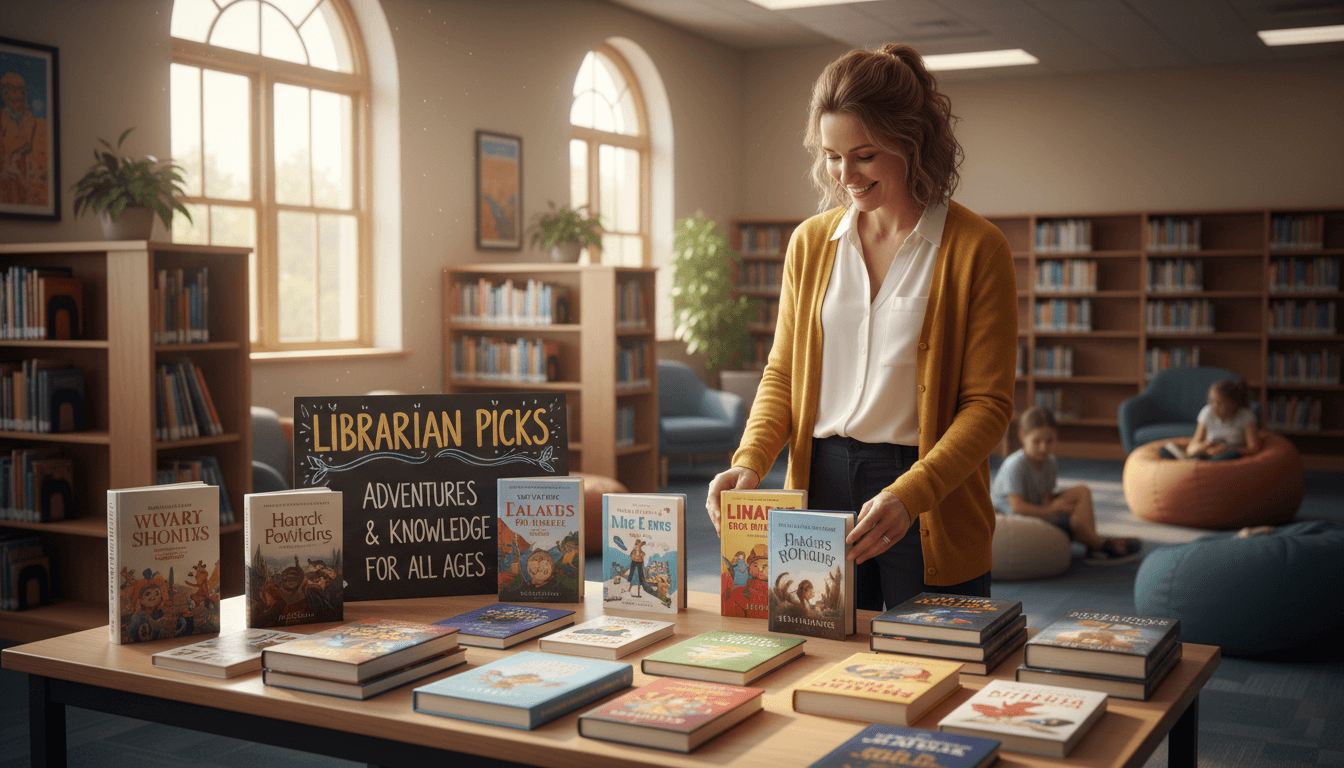
Library Newsletter on Book Recommendations: A Working Template
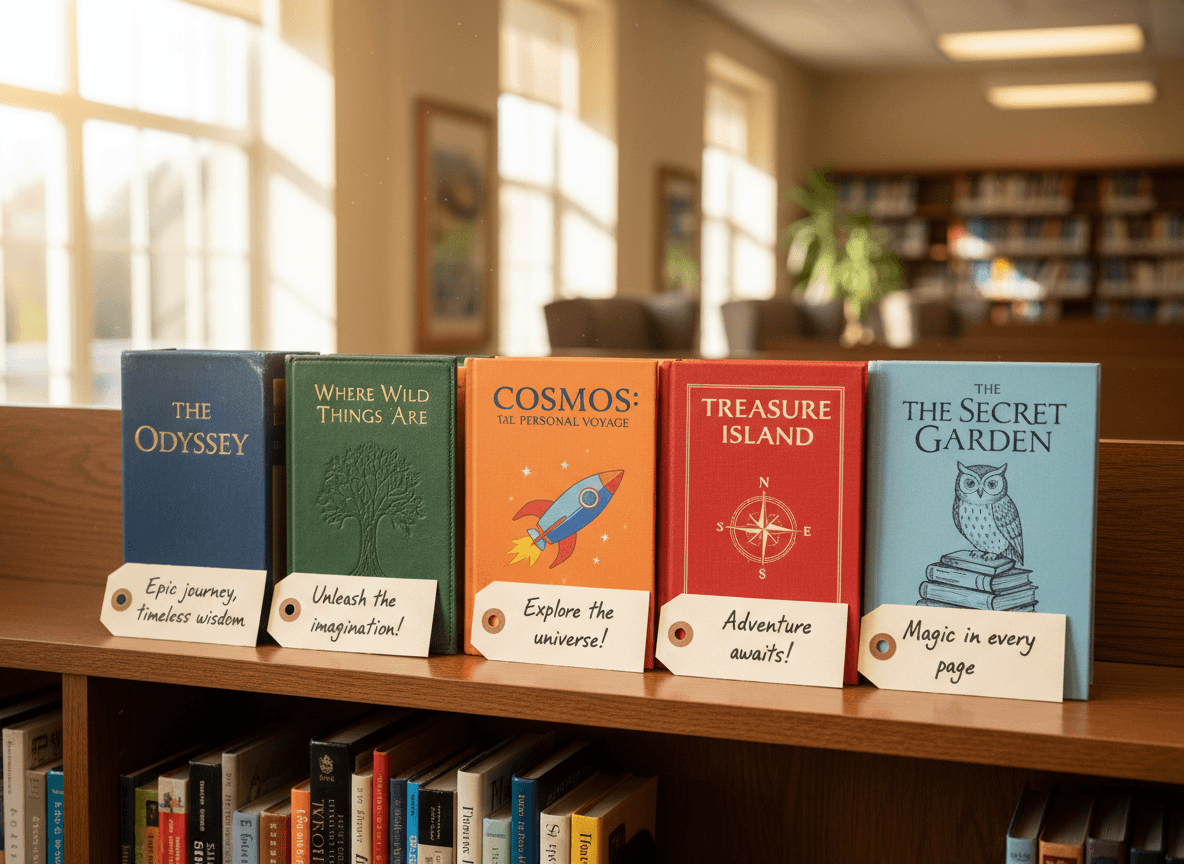
Book recommendations are the section families actually open the library newsletter for. Get the structure right and you can rebuild the same section every month in under 20 minutes. Get it wrong and it reads like a publisher catalog no one finishes.
The five-picks structure
Five slots, same five every month. Book of the month at the top, two grade-level picks in the middle (one for K-3 and one for 4-8), one reluctant-reader pick, and one wildcard. The wildcard is your space to recommend an audiobook, a graphic novel, a nonfiction title, or anything that does not fit the other slots.
Slot 1: book of the month
Pick one title and give it real space. Cover image at around 200 pixels wide, three sentences. First sentence is the hook, second is the grade range plus a comparable title, third is a named kid who loved it (real or anonymized). This is the only slot that gets the full treatment. The other four are shorter.
Slots 2 and 3: grade-level picks
One book for K-3 and one for 4-8. Two sentences each. Cover, grade band, one-line hook. The point is to give families with kids at different ages a clear next read without forcing them to scroll through 12 options.
Slot 4: the reluctant-reader bin
Name the section so parents searching for it can find it: "For the kid who says they hate reading." Pick a high-interest title: a graphic novel, a verse novel, a sports nonfiction, a horror short. One sentence about why a reluctant reader will finish it. Parents of struggling readers will open this newsletter for this slot alone.
Slot 5: the wildcard
Audiobook of the month, a board game tie-in book, a poetry collection, a translation from another country. The wildcard is where you push the collection into corners families would not find on their own. Keep it one sentence and one cover.
Example: Maplewood Middle School library, 540 students. Last school year the librarian rebuilt her newsletter around the five-picks structure. Open rate on the book recommendations section jumped from 38 percent to 61 percent in three months. The book of the month was checked out 14 times in October and held 11 holds by November.
The diverse-titles commitment
Over the course of a year, the five picks should reflect the full school community. Not as a one-month diversity issue, but as a year-round habit. If you tally your picks at the end of the year and 70 percent are by white authors, the commitment was theoretical. Track it as you go, not in June.
How to write the hook
Forget the publisher copy. Write the sentence you would say to a friend. "A girl trades her dog for a typewriter and starts writing letters to dead writers." That hook works. "A coming-of-age story about loss and creativity" does not. Weird, specific, and short beats safe and polished every time.
How Daystage helps with book recommendations newsletters
Daystage gives you a five-picks template you build once. Drop in the cover, the grade range, the hook. The layout holds together on phones and laptops, the branding stays consistent, and the whole monthly send takes under 30 minutes. Families learn to look for it on the first of every month.
Get one newsletter idea every week.
Free. For teachers. No spam.
Frequently asked questions
How many books should a monthly recommendation newsletter include?
Five is the working number. Three feels thin, seven turns into a list parents skim past, and five gives you room to cover a range without overwhelming the section. Use the same five-slot structure each month so families know what to expect: one book of the month, two grade-level picks, one reluctant-reader pick, one wildcard.
Should book recommendations match what is taught in class?
Sometimes yes, sometimes no. Aligning one or two picks with the current unit (a novel set in colonial America during the Revolutionary War unit) helps teachers and parents reinforce learning. But the library should also recommend books that have nothing to do with school, because that is where kids learn that reading is theirs and not just an assignment.
How do you write a book recommendation that actually gets a kid to read the book?
Skip the back-cover synopsis. Write the hook the way you would tell a friend. 'A girl finds a frozen mammoth in her backyard and has 48 hours to keep it secret before the news vans show up.' That sentence works. 'In this charming middle-grade novel about discovery and friendship' does not. Specific, weird, and short beats polished.
What about reluctant readers who refuse everything?
Build a 'reluctant reader' pick into every month. Often a graphic novel, a verse novel, or a high-interest nonfiction title. Name it explicitly: 'For the kid who says they hate reading: try this.' Parents of reluctant readers are looking for exactly this section and will open the newsletter for it alone.
How do I send book recommendations as a clean monthly email?
Daystage lets school librarians build a five-picks template once, then refill it each month. Cover images, grade ranges, and hooks plug into the same structure every issue. The email goes out branded to the school and families learn to look for it on the first of each month.

Adi Ackerman
Author
Adi Ackerman is a former classroom teacher and curriculum writer with 8 years in K-8 schools. She writes about school communication, parent engagement, and what actually works in real classrooms.
More for School Librarian
Ready to send your first newsletter?
3 newsletters free. No credit card. First one ready in under 5 minutes.
Get started free