
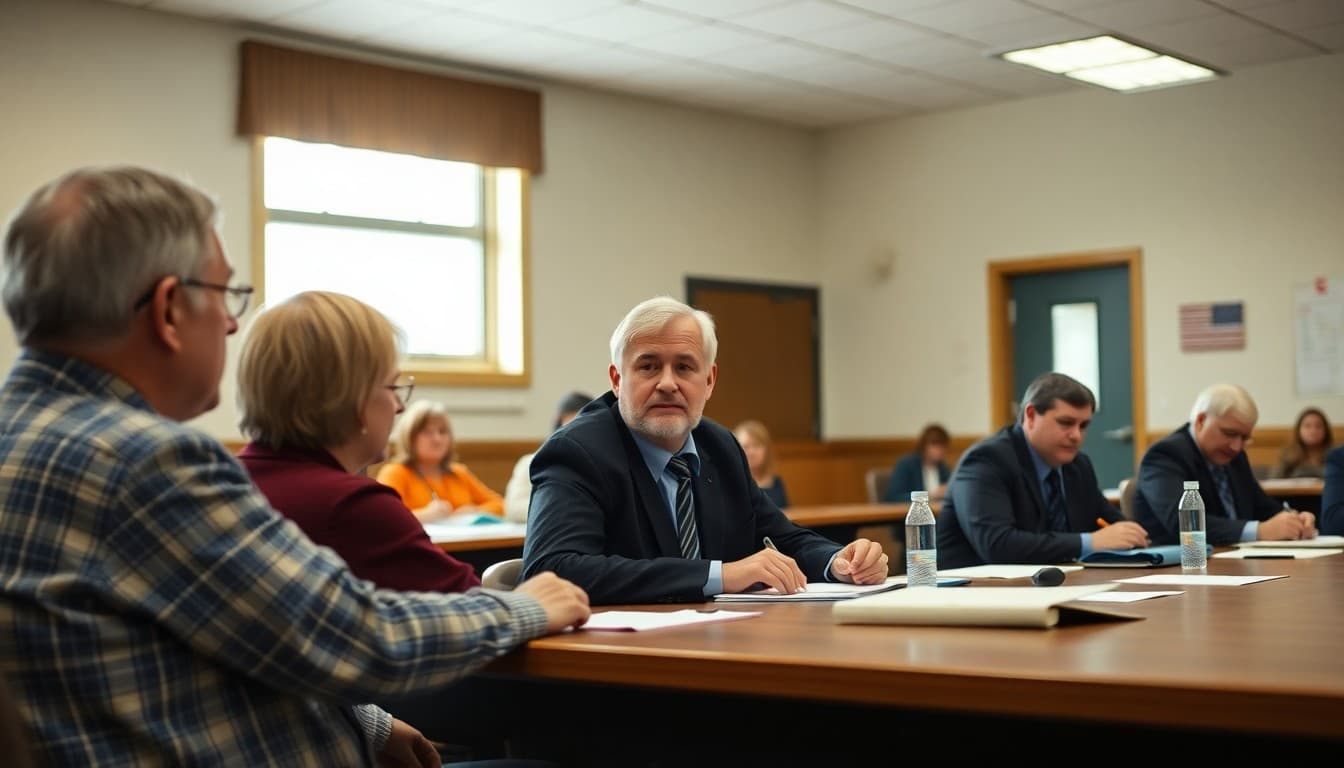
West Virginia School Board Newsletter Guide: Governance Communication in Rural Communities

West Virginia school boards govern 55 county school districts in a state that has experienced decades of population decline and economic challenge. Many West Virginia counties are dealing with enrollment drops that force difficult decisions about school consolidation, and the Hope Scholarship program has added a school choice dimension to what was already a challenging governance environment. In this context, honest, consistent board communication is not just a governance best practice. It is essential for maintaining the community confidence needed to make hard decisions well.
This guide covers what West Virginia school board newsletters should include, how to communicate on the issues most relevant to West Virginia districts, and how to build community trust through transparent, regular governance communication.
Board meeting decisions with context and reasoning
West Virginia board meeting summaries should explain what was decided and why. For each significant decision, provide the context families need: what problem was addressed, what alternatives were evaluated, and why this path was chosen. In county districts where board members and families often know each other personally, the newsletter provides the formal governance record that supports institutional accountability alongside those personal relationships.
WVGSA assessment results and academic performance
West Virginia's General Summative Assessment results in English language arts and mathematics are released annually. When WVGSA scores are published, board newsletters should address them directly. Report what the data shows for the county and for individual schools, explain what it means, describe the board's response to areas of underperformance, and acknowledge strong results. Boards that engage honestly with assessment data are more credible than those that avoid it.
Enrollment decline and school consolidation communication
West Virginia's population decline has produced persistent enrollment drops in many county districts, creating pressure to consolidate schools that can no longer be operated efficiently at current enrollment levels. When consolidation is being considered, communication should begin early and be sustained. Share the enrollment data and financial projections driving the consideration, the criteria the board is using to evaluate options, the timeline for community input, and how that input will factor into the decision. West Virginia communities have deep attachments to their local schools, and boards that communicate honestly and with genuine openness to community perspective build more durable trust than those that communicate minimally until a decision is near.
Hope Scholarship context and enrollment implications
West Virginia's Hope Scholarship provides eligible families with state funds for private school tuition, homeschooling materials, and other educational expenses. Board newsletters should explain what the program offers, which families are eligible, and how participation affects the county district. Boards that also communicate clearly about what local schools offer are better positioned in West Virginia's evolving choice environment.
State aid and budget transparency in West Virginia
West Virginia's school funding formula provides county districts with state aid based on enrollment. When the legislature adjusts aid levels, board newsletters should explain what changed, what the district is receiving, and how the board is managing resources in response. Budget communications should connect spending decisions to programs and student outcomes rather than presenting numbers in isolation.
Community participation in West Virginia governance
West Virginia's open meetings law ensures that board meetings are publicly accessible. Board newsletters should preview upcoming agenda items, explain significant decisions, and provide clear information on how to attend, comment, and participate. For decisions as consequential as school consolidation, newsletters should also describe community input processes in detail so that affected families know exactly how and when they can be heard.
Using Daystage for West Virginia board newsletters
Daystage supports West Virginia school boards in building a consistent, professional newsletter practice. Design a monthly template with standard sections: meeting summary, assessment results, enrollment and consolidation updates, Hope Scholarship context, budget information, and participation opportunities. Boards that communicate consistently, especially during difficult governance periods, build the community trust that makes hard decisions more manageable.
Board elections and communication continuity in West Virginia
West Virginia school board elections occur on the general election cycle. Newsletter communication should be designed as an institutional function that persists through membership changes. Introduce new members, acknowledge departing members, and maintain the same structure and publication schedule across transitions. In communities facing significant challenges, consistent institutional communication signals stability and accountability.
Get one newsletter idea every week.
Free. For teachers. No spam.
Frequently asked questions
What should a West Virginia school board newsletter include?
Board meeting decisions with explanations, WVGSA assessment results, enrollment trend and school consolidation context, Hope Scholarship program information, state aid and budget transparency, policy changes affecting families, and community participation opportunities. West Virginia boards that explain the reasoning behind decisions build more community trust.
How often should West Virginia school boards publish a newsletter?
Monthly publication aligned with the regular board meeting cycle is appropriate for most West Virginia county boards. West Virginia's persistent enrollment decline means consolidation decisions are a recurring governance challenge, and consistent newsletter communication around those discussions is especially important for maintaining community trust.
How should West Virginia boards communicate about school consolidation?
West Virginia has experienced significant population decline, and many county boards face ongoing pressure to consolidate schools due to low enrollment. When consolidation is being considered, communication should begin early and be sustained throughout the process. Share the demographic and financial data driving the consideration, the criteria the board is using to evaluate options, and how community input will factor into the decision. West Virginia communities have strong attachments to local schools, and boards that communicate honestly and early build more trust than those that spring decisions on communities.
How should West Virginia boards communicate about the Hope Scholarship?
West Virginia's Hope Scholarship provides eligible families with state education funds for private school tuition, homeschooling, and other educational expenses. Board newsletters should explain what the program offers, who is eligible, and how participation affects local district enrollment and funding. Clear, factual communication about school choice options serves families better than ignoring programs they are already aware of.
How does Daystage support West Virginia school board communication?
Daystage gives West Virginia school boards a professional newsletter platform for consistent, clear board communication. Build a monthly template with standard sections covering meeting summaries, assessment results, enrollment and consolidation context, Hope Scholarship information, budget transparency, and community participation. Consistent communication builds the community trust that is essential during difficult governance periods.

Adi Ackerman
Author
Adi Ackerman is a former classroom teacher and curriculum writer with 8 years in K-8 schools. She writes about school communication, parent engagement, and what actually works in real classrooms.
More for School Board
School Board Newsletter Guide: Communicating Governance Decisions to District Families
School Board · 6 min read
School Closure and Consolidation Newsletter: Communicating Hard Decisions to Affected Families
School Board · 6 min read
School Board Enrollment Projection Newsletter: Planning for Growth
School Board · 6 min read
Ready to send your first newsletter?
3 newsletters free. No credit card. First one ready in under 5 minutes.
Get started free