

School Board Newsletter: Summer Preview of Coming District Changes
Summer is the busiest season for school district operations even though schools are empty. Construction happens, staff transitions finalize, curricula get adopted, and policies take effect. Families who walk in on the first day of school without knowing what changed have a frustrating experience that is completely avoidable. A summer preview newsletter is one of the most practical communication investments a board can make.
Send It in Early August
Timing matters more than almost anything else with a summer preview. Send it three to four weeks before school starts, when families have returned from vacations and are starting to think about the school year. A July newsletter gets missed; a week-before-school newsletter gives families no time to ask questions. Early August is the window when your message has the best chance of being read and acted on.
Cover Physical Changes to School Buildings
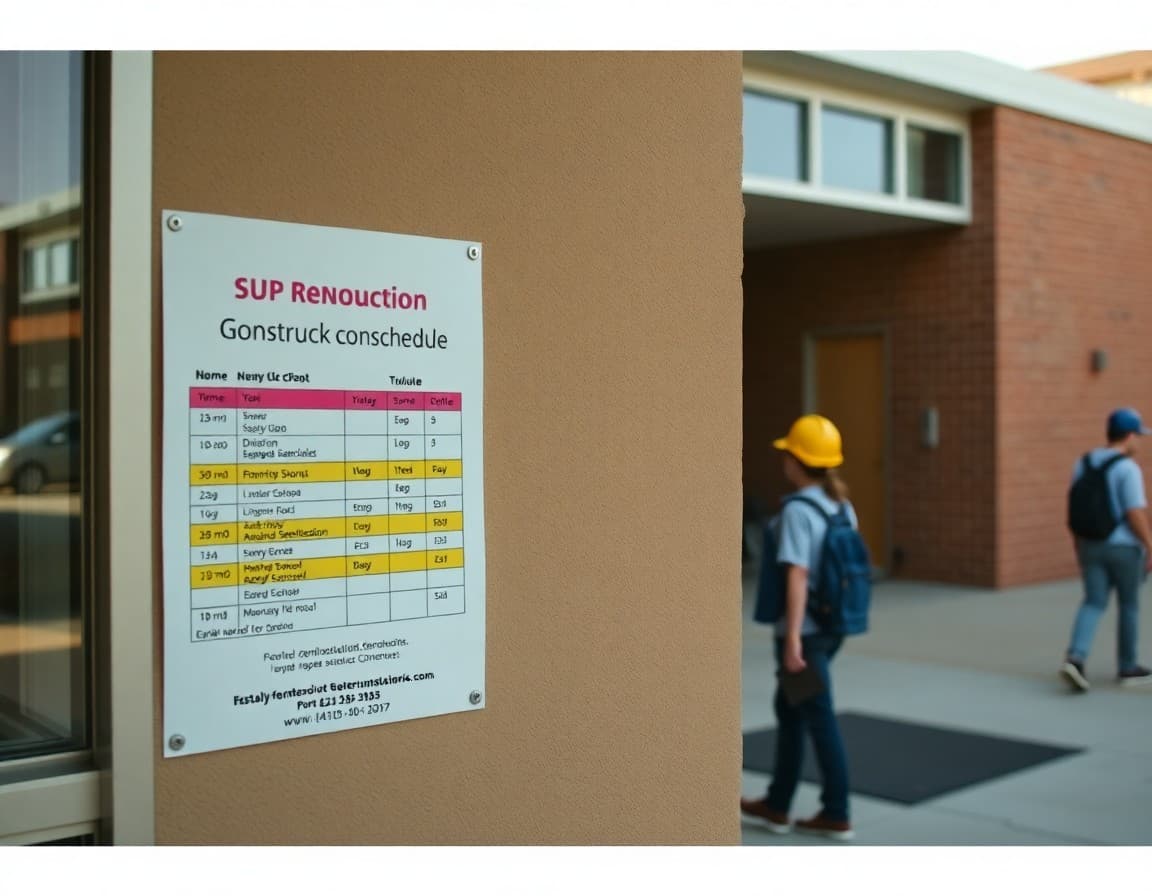
If construction, renovation, or reorganization happened over the summer, families should know before they arrive. A new drop-off configuration, a relocated main office, a repaved parking lot, or a newly accessible entrance are all things that affect the first-day experience. Photos of the finished or in-progress work make this section feel concrete and give families a reason to look forward to the changes.
Preview New and Departing Staff
If a principal, assistant principal, or key program director position changed over the summer, the summer preview newsletter is not the place for a full announcement, but it is the right place for a brief acknowledgment and a pointer to the earlier or forthcoming announcement. Families who only open communications sporadically during summer may have missed a staffing change that was announced in June. A summer preview that references major transitions ensures the information reaches people who missed it.
Describe Curriculum or Program Changes
If the board adopted a new math curriculum, launched a literacy initiative, or approved new electives for the upcoming year, describe what families will notice. "Your child will start using a new math program this fall" is more meaningful to families than "the board approved a new core curriculum." Connect the change to the student experience wherever possible.
Summarize Policy Changes Taking Effect
New policies from the board or new state laws that take effect in August or September belong in the summer preview. A brief description of each change with a link to the full policy text gives families a heads up without requiring the newsletter to carry the full policy explanation. If the board sent a dedicated policy newsletter earlier, link back to it. If it did not, the summer preview may be the first time families hear about the change.
Remind Families of Key First-Week Logistics
A summer preview is also a practical logistics update. Remind families of the first day of school, bus route information availability, registration deadlines that are still open, and any first-week events like back-to-school nights or orientations. This section is high-value for families who are still organizing their fall schedules.
Close With a Forward-Looking Statement
End the summer preview with a brief, honest statement from the board about what the year ahead holds. Not promotional language about exciting opportunities, but a genuine note about what the board is focused on and what families can expect in terms of communication from the district. Daystage makes it easy to close the newsletter with an invitation to follow future board communications so families can opt into the level of detail they want throughout the year.
Get one newsletter idea every week.
Free. For teachers. No spam.
Frequently asked questions
Should school boards communicate with families during the summer?
Yes. Summer is when many of the most significant changes to schools happen: construction, staffing transitions, curriculum adoptions, and policy changes that take effect in the fall. Families who receive a clear preview of coming changes in July or August are better prepared than families who walk in on the first day to find surprises.
What should a summer preview newsletter cover?
Cover any physical changes to school buildings, new or departing staff at the principal or key department level, curriculum or program changes families will notice, policy updates taking effect in the new year, and any new programs or services launching. Focus on changes that directly affect the family experience, not internal administrative adjustments.
How far in advance should the board send a summer preview?
Send it three to four weeks before school starts. Earlier than that and it gets lost in vacation reading. Later and families do not have enough time to ask questions or make arrangements before the first day.
How do we communicate a difficult change, like a school closure or staff cut, in a summer preview?
Difficult changes deserve their own dedicated newsletter with full context, not a bullet point in a preview list. If a major change has already been communicated, a brief reference in the preview with a link back to the original announcement is appropriate. Do not use a cheerful summer preview to soften news that deserves direct treatment.
What tool works best for school newsletters?
Daystage is well-suited for a summer preview because you can send it from the same platform families already associate with school communication, include photos of construction progress, and link to all the referenced changes without families having to navigate separately to each one.

Adi Ackerman
Author
Adi Ackerman is a former classroom teacher and curriculum writer with 8 years in K-8 schools. She writes about school communication, parent engagement, and what actually works in real classrooms.
More for School Board
Ready to send your first newsletter?
3 newsletters free. No credit card. First one ready in under 5 minutes.
Get started free