

School Board Newsletter: Sharing School Report Card Results
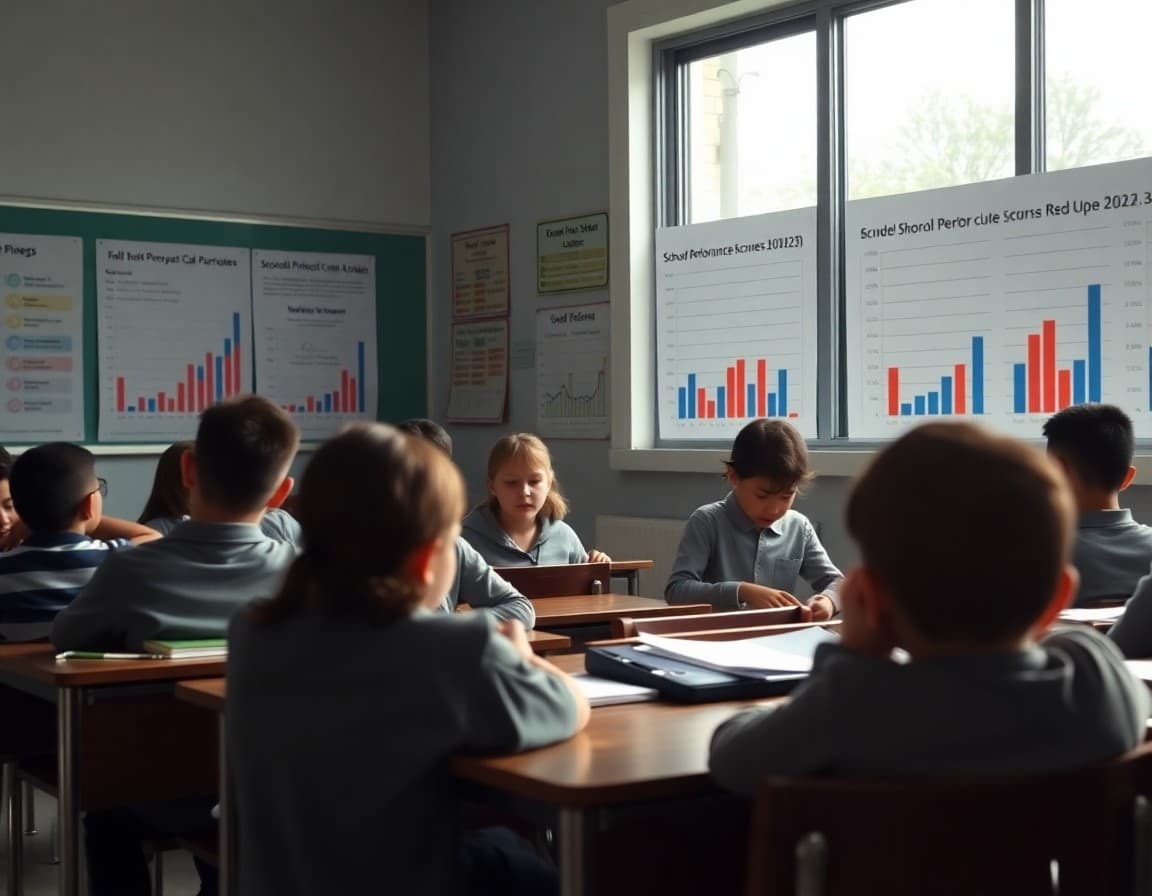
State school report cards are public documents, which means families will see the results with or without a newsletter from the board. The question is whether they see them first in your words or first in someone else's. A well-written school board newsletter about report card results gives the district the chance to explain the data, name what needs to improve, and describe what is being done about it.
Send Before the Media Does
State education agencies usually release report cards on a public date that journalists also have access to. If your board waits a week before communicating, families will have already formed opinions based on a news headline. Send your newsletter the same day or the day after results are released. Early communication is not spin; it is the district taking responsibility for its own story.
State the Results Plainly
Do not bury the numbers in context before sharing them. Name the scores or ratings the district received in each measured area: reading proficiency, math proficiency, graduation rate, attendance, and any growth metrics your state reports. Families deserve the actual data, not a summary that implies everything is fine when it is not. Plain statements of fact, followed by context, build more credibility than any amount of careful framing.
Explain What the Scores Mean
State report card ratings use different scales and labels depending on the system. A "3 out of 5" or a "Needs Improvement" rating means different things to different families depending on their experience with these systems. Take two paragraphs to explain what the scale is, what the district's scores represent, and how they compare to state averages. This is not making excuses; it is giving families the tools to understand the data.
Distinguish Between Schools
A district-level average can hide wide variation between schools. If some schools outperformed expectations and others struggled, say so. Families at high-performing schools want to hear that acknowledged. Families at lower-performing schools deserve direct communication about what is being done at their child's specific school, not just a district-wide statement. Consider whether a school-level follow-up newsletter is needed alongside the board's district communication.
Connect Results to Existing Plans
Report card data should connect to work the board has already authorized. If the district adopted a new reading curriculum, show whether early data reflects improvement. If a school has been in an improvement plan, describe what progress looks like. Connecting new data to prior decisions shows the board is actually using the information and not treating each year's results as isolated news.
Name the Next Steps
The most important section of a report card newsletter is what happens next. Describe specific actions the board has approved or is considering in response to the results. Include timelines. "We will review curriculum effectiveness by January" is more reassuring than "we remain committed to improving student outcomes." Families can hold the board accountable to specific commitments. They cannot hold the board accountable to a sentiment.
Invite Questions and Input
Report cards generate questions, and some families will want more than a newsletter. Include the date of the next board meeting where results will be discussed, a direct email for sending questions to the superintendent or board, and a link to the full state report card for families who want to dig into the data themselves. Daystage makes it easy to include these links and contacts in a way that is easy to find rather than buried in body text.
Plan a Mid-Year Check-In
Do not wait for the next annual report card to communicate about academic performance. Commit to a mid-year update that describes how the improvement work is progressing. Families who see a board that monitors and reports on its own progress between report card releases trust the institution more than one that only communicates when the state mandates it.
Get one newsletter idea every week.
Free. For teachers. No spam.
Frequently asked questions
When should a school board send a report card results newsletter?
Send it within a week of the state releasing results, before media coverage shapes the narrative. Families and staff should hear from the district first. If results are mixed or show areas of concern, proactive communication builds more trust than waiting for families to read about it in the news.
How do we communicate poor report card results without causing alarm?
Acknowledge the results plainly, explain the context, and focus the majority of the newsletter on what the board and schools are doing in response. Avoid minimizing bad news with excessive positive framing, but also avoid language that makes families feel the situation is hopeless. Specific plans with timelines are more reassuring than general statements of commitment.
Should the newsletter compare our district to others?
Brief regional or state context can help families understand how the results fit into the broader picture, but avoid framing that reads as excuse-making. If the district performed below the state average in reading, name it and explain what the board is doing about it rather than leading with comparisons that dilute accountability.
What should the newsletter link to?
Link directly to the state report card page for your district, the board presentation where results were reviewed, and any school improvement plans that are publicly available. Families who want the full data should be able to find it in one click from your newsletter.
What tool works best for school newsletters?
Daystage is a good fit for data-heavy updates like school report cards because you can embed summary graphics, link to full documents, and send to different audience segments, so principals get a detailed version while families get a clear summary without the technical detail.

Adi Ackerman
Author
Adi Ackerman is a former classroom teacher and curriculum writer with 8 years in K-8 schools. She writes about school communication, parent engagement, and what actually works in real classrooms.
Ready to send your first newsletter?
3 newsletters free. No credit card. First one ready in under 5 minutes.
Get started free