
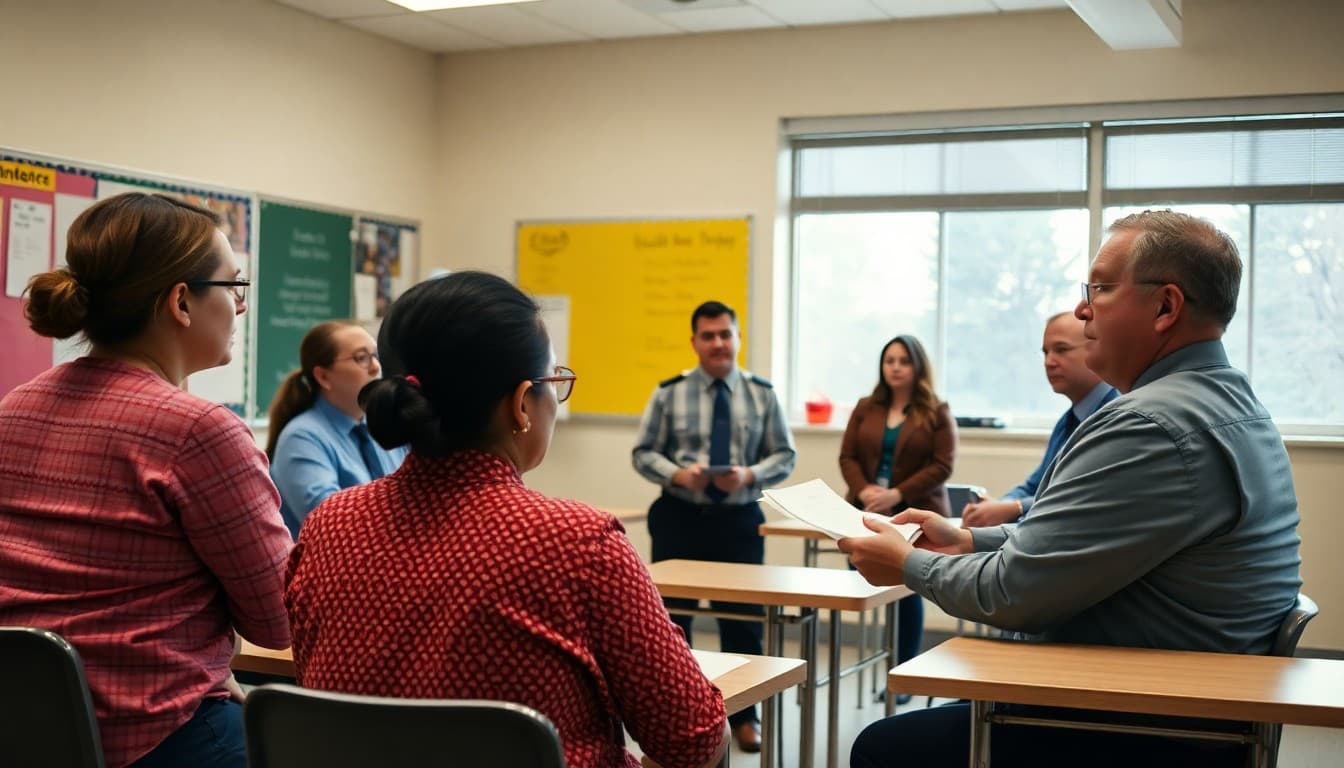
School Safety Plan Newsletter for School Board Communication

School safety is the foundation on which everything else rests. Students who do not feel safe cannot learn, and families who do not trust that their child is safe cannot be partners in education. The board takes its responsibility for school safety seriously, and communicating about that responsibility clearly is part of fulfilling it. A safety newsletter is not about creating alarm. It is about building informed confidence in the systems, training, and investments the district has made to keep students safe across a range of possible situations.
Physical Security Measures
The district has invested in physical security improvements across all buildings, including [describe specific measures: secured entry vestibules, camera systems, access control with key fobs or electronic entry, visitor management systems, and exterior lighting]. All visitors are required to [describe the check-in procedure: present ID, be screened against the sex offender registry, receive a badge]. Staff are trained to challenge anyone in the building who does not have a visible badge. [Describe any recent upgrades funded by state safety grants or bond funds.] Physical security measures are designed to control access without making the school feel like a prison. The goal is to know who is in the building, not to create an atmosphere of fear.
Emergency Response Procedures
The district maintains written emergency response procedures for fire, severe weather, medical emergencies, and intruder situations. All students practice fire evacuation and severe weather drills [describe frequency, required by state law]. Lockdown and secure school drills are conducted [describe frequency and approach, including whether staff receive advance notice while students do not]. The district uses [describe the standard emergency communication system: phone, text, email, or app] to notify families during an emergency. Families should ensure their contact information in the student information system is current so they receive these notifications. [Describe the reunification procedure: where to go to pick up students if an evacuation requires students to leave the building.]
Threat Assessment
Each school has a trained threat assessment team that reviews reported concerns about student behavior or statements that suggest potential harm. This team uses a structured, evidence-based process to evaluate the specific situation, determine whether a credible threat exists, and develop an appropriate response. The response may include increased monitoring, counseling referral, temporary schedule changes, contact with law enforcement, or a combination. Threat assessment is not about punishment. It is about connecting troubled students with support before a situation escalates. Families who are aware of concerning statements or behaviors from their student or another student should report them to the school immediately rather than waiting.
Mental Health Prevention as Safety
The most effective school safety investment is prevention, and prevention means identifying struggling students early and connecting them with support before they reach crisis. School-based mental health programs, trained counselors, and social-emotional learning curricula are safety investments as much as cameras and door locks. A student who is connected to caring adults in the school, who has skills for managing emotional distress, and who believes help is available when things are hard is far less likely to become a safety concern. The district's [describe specific prevention programs] are part of the safety plan, not a separate initiative.
Partnerships With Local Law Enforcement
The district maintains a working relationship with [local law enforcement agency]. [Describe the nature of the relationship: whether school resource officers are assigned to schools, how law enforcement is involved in threat assessment, and how emergency response is coordinated.] Law enforcement plays a specific role in school safety, particularly in response to serious incidents, but the district's approach centers the response around school-based professionals who know the students. The goal of law enforcement involvement in prevention is to support that school-based work, not to replace it with a punitive approach.
How Families Support School Safety
Families are essential partners in school safety. If your student mentions something concerning about another student, a threat they heard, or a situation that made them feel unsafe, take it seriously and report it to the school immediately. Reports that turn out to be unfounded are not a problem. They give the school an opportunity to follow up and demonstrate that concerns are heard. Families can also help by reviewing with their student what to do in an emergency, supporting their student's mental health and their willingness to seek help when struggling, and modeling the kind of trust in institutions and care for community that makes schools safer for everyone.
Get one newsletter idea every week.
Free. For teachers. No spam.
Frequently asked questions
What does a school safety plan typically include?
A comprehensive school safety plan covers physical security measures and protocols, emergency response procedures for events like fires, severe weather, medical emergencies, and intruder situations, threat assessment processes for identifying and responding to students who may pose a risk, mental health prevention and early intervention programs, staff training requirements, family communication protocols during emergencies, and coordination with local law enforcement and emergency services.
What is a threat assessment team in schools?
A threat assessment team is a multidisciplinary group, typically including the principal, a school counselor, and a school psychologist or social worker, that evaluates reports of concerning student behavior or statements. The team uses a structured process to determine the level of risk, develop an appropriate response, and connect the student with support. Threat assessment is prevention-focused and intervenes before a situation escalates, rather than after.
What should families know about emergency drills and procedures?
Schools conduct required drills for fire evacuation, tornado or severe weather, and lockdown or intruder situations on a schedule set by state law. Students are trained to follow the procedures relevant to each type of emergency. Families should know what terms like 'lockdown,' 'shelter in place,' and 'evacuation' mean in the context of their school's protocols, and should know the reunification procedure for picking up students after an emergency that requires evacuation.
How does the district balance security and a welcoming school environment?
Research on school climate shows that overly militarized security environments can increase anxiety and harm trust, particularly for students from communities with negative experiences with law enforcement. The district's approach focuses on layered security measures that address physical access while maintaining a welcoming culture, trained staff who build relationships with students, threat assessment practices that prioritize connection and intervention over punishment, and data-informed decisions about which security investments have the strongest evidence.
How does Daystage support school board communication about safety?
Daystage lets districts send clear, calm safety update newsletters that inform families about security investments, emergency procedures, and prevention programs without creating alarm. Well-timed, professional communication from Daystage builds trust with families who want to know the district takes safety seriously.

Adi Ackerman
Author
Adi Ackerman is a former classroom teacher and curriculum writer with 8 years in K-8 schools. She writes about school communication, parent engagement, and what actually works in real classrooms.
More for School Board
Ready to send your first newsletter?
3 newsletters free. No credit card. First one ready in under 5 minutes.
Get started free