
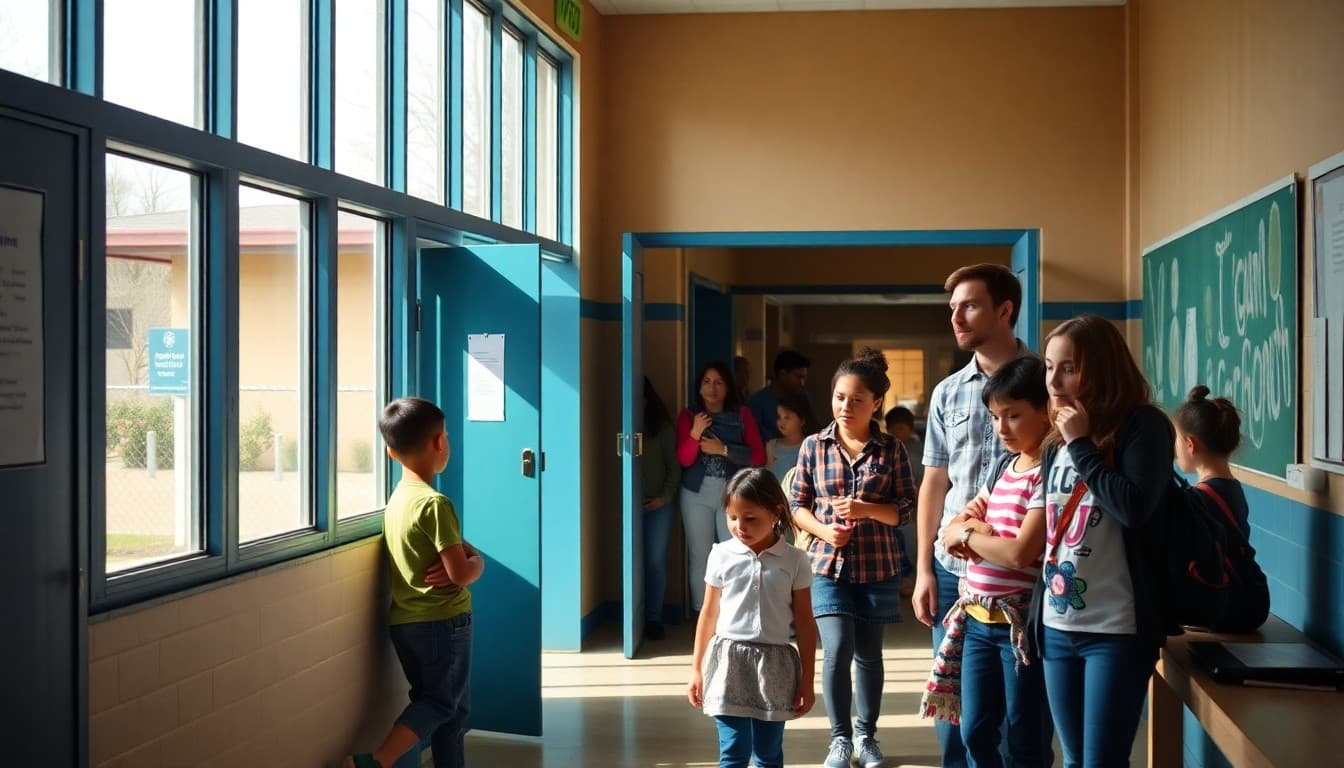
School Board Newsletter: Communicating the Community Schools Vote

A community schools vote is not a routine policy decision. It signals a significant shift in how the district conceives of its role in the community. When a board approves the community schools model, the newsletter that follows needs to explain not just the vote outcome but the whole concept, because many families will be hearing the term for the first time.
Define the Model Before Describing the Vote
Open with a clear, one-paragraph explanation of what a community school is: a school that partners with local organizations to provide wraparound services for students and families, from health clinics and food pantries to after-school programs and adult education. Only after that foundation does the vote outcome make sense. Announcing "the board voted to adopt the community schools model" to families who have never heard the term sends them to search the internet for a definition rather than reading the rest of your newsletter.
Name Which Schools Are Involved
If the board voted to pilot the model at specific schools before a district-wide rollout, name those schools. Families at the pilot schools need to know what is coming to their building. Families at other schools want to know whether and when they can expect the model to expand. Be direct about the scope of the initial vote so neither group misunderstands what was approved.
List the Services That Will Be Available
The most concrete way to explain a community schools model is to name the services families will be able to access. A school-based health clinic, a mental health partnership, a family resource coordinator, extended-day programs, or a food pantry are all tangible things that families can picture. List the specific services that were approved or that are in negotiation with partner organizations.
Introduce the Partner Organizations
Community schools only work because of the organizations that agree to provide services on-site or in close coordination with the school. Name the partner organizations that were part of the board's approval, even if contracts are not fully signed. Giving families the names of familiar community organizations builds confidence that the model is grounded in real partnerships rather than aspirational language.
Explain the Funding
Any new initiative raises the question of where the money comes from. If the community schools implementation is funded by a state grant, a federal program, philanthropic support, or district budget, say so specifically. Include the amount if it is public information. Families who see a concrete funding source are less likely to assume that something else they value is being cut to pay for the new model.
Describe the Implementation Timeline
Set honest expectations. A community schools model typically takes multiple years to fully implement. Describe what families can expect by the end of the first year, what requires longer-term development, and how the board will communicate progress. A newsletter that promises immediate transformation will disappoint; one that describes a credible multi-year plan builds sustainable support.
Give Families a Way to Participate
Community schools work best when families are active participants, not just recipients of services. If the district is forming a site-level community schools team or holding listening sessions to identify which services families most need, describe those opportunities in the newsletter. Use Daystage to include a link to a sign-up form for families who want to be involved in the early planning, making participation a click away rather than an abstraction.
Get one newsletter idea every week.
Free. For teachers. No spam.
Frequently asked questions
What is a community school and why would a board vote on it?
A community school is a model where the school building becomes a hub for community services including health care, social services, adult education, and family support programs alongside regular instruction. Boards vote to adopt this model because it requires committing district resources and establishing partnerships with outside service providers.
What should the community schools newsletter explain?
Explain what the community schools model is, which schools will pilot or implement it, what services will be added, which partner organizations are involved, the timeline for implementation, and how families can access the new services. A model this unfamiliar to many families requires more explanation than a typical policy vote.
How do we communicate the cost of the community schools model?
Be transparent about the funding sources: grants, federal Title programs, state pilots, or district budget. Families and community members who worry about school spending need to know whether the model is funded by new money or diverted from existing programs. Specificity here prevents the assumption that something else is being cut.
How do we manage expectations about the timeline?
Community schools implementation typically takes two to three years before all services are running. The newsletter should describe what families can expect in year one and be clear that full implementation is a multi-year effort. Overpromising on timeline creates disappointment that undermines support for the model.
What tool works best for school newsletters?
Daystage works well for community schools announcements because you can embed links to partner organization resources alongside the board communication, giving families a direct path to the services being described rather than leaving them to search on their own.

Adi Ackerman
Author
Adi Ackerman is a former classroom teacher and curriculum writer with 8 years in K-8 schools. She writes about school communication, parent engagement, and what actually works in real classrooms.
More for School Board
Ready to send your first newsletter?
3 newsletters free. No credit card. First one ready in under 5 minutes.
Get started free