
Capital Outlay Newsletter for School Board Communication
Capital outlay decisions represent some of the largest commitments a school board makes on behalf of the community. A new roof, a gymnasium addition, a technology infrastructure upgrade, or a full building replacement involves spending that outlasts any individual board member's tenure and shapes the learning environment for students who have not yet enrolled. Families deserve clear, regular communication about what capital projects are underway, where the money comes from, how the projects are progressing, and what the district's long-term facilities plan looks like. That communication does not happen on its own. It requires a newsletter with the discipline to explain financial concepts in plain language.
What Capital Outlay Means and Why It Matters
Capital outlay is the term for spending on long-lived physical assets. The line that distinguishes capital from operational spending is whether the purchase lasts beyond the current year and meets a dollar threshold the district sets by policy, typically $5,000 or $10,000. A classroom projector is operational. A new HVAC system is capital. The distinction matters because capital spending often comes from different funding sources, requires different approval processes, and appears in separate funds in the district's financial statements. Families who understand this distinction are better positioned to evaluate bond referenda and budget presentations.
Current Capital Projects and Their Status
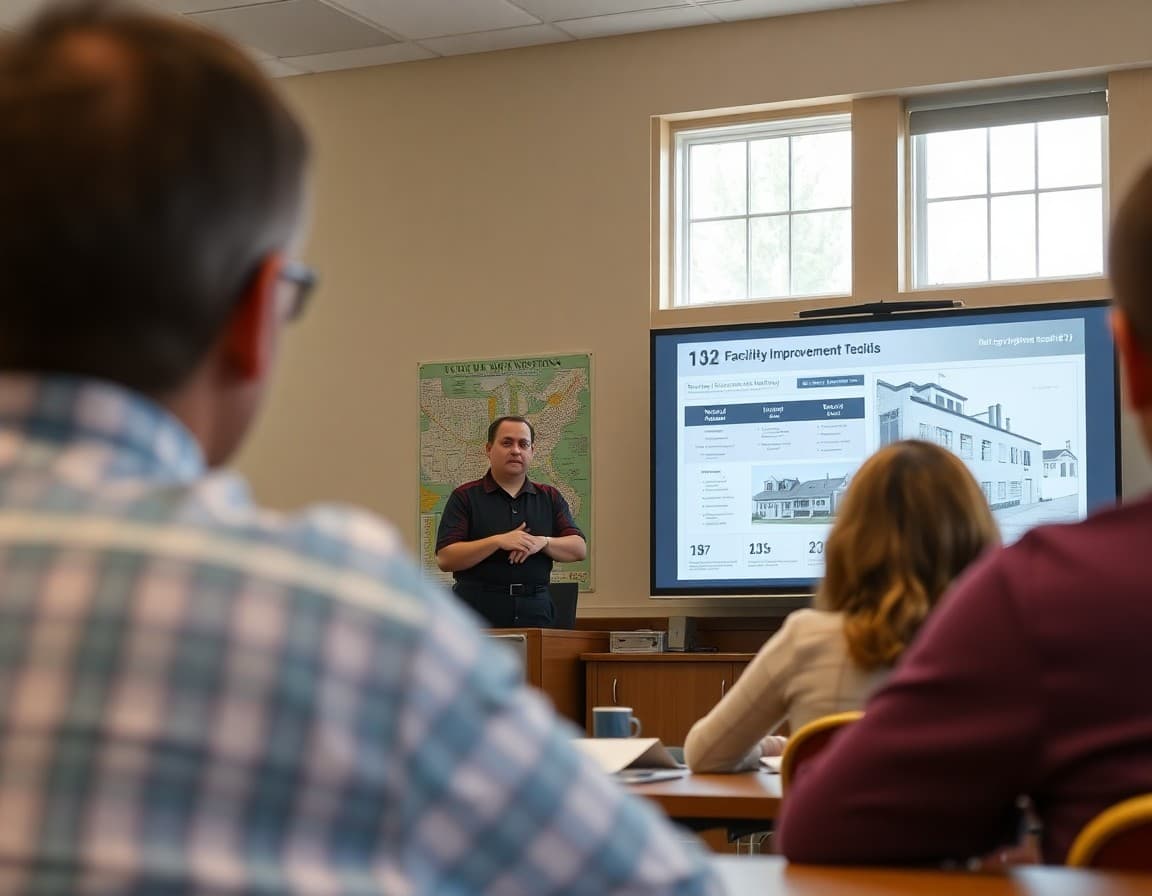
Every capital outlay newsletter should give families a current snapshot of active projects. For each project, include the school or facility affected, the scope of work, the total budgeted cost, the amount spent to date, the funding source, and the expected completion date. If a project has experienced scope changes, cost increases, or timeline delays, explain them directly. Most families understand that construction projects encounter unexpected conditions. What they find harder to forgive is discovering a cost overrun or delay they were never told about. Transparent, timely updates on project status build the credibility that makes future bond requests easier to pass.
How Projects Are Funded
The funding source for each capital project affects who authorized the spending and what constraints exist on how funds can be used. General obligation bonds, approved by voters, are the most common mechanism for large facility projects. Bond funds are legally restricted to the purposes stated in the ballot question. State construction aid, where available, may cover a percentage of approved project costs and typically requires compliance with state design and procurement standards. Federal grants for specific purposes like accessibility improvements, safety upgrades, or energy efficiency have their own eligibility requirements and reporting obligations. Families who see a project funded from multiple sources benefit from a brief explanation of how those sources work together.
The Capital Improvement Plan
Individual projects exist within a larger capital improvement plan that the district updates periodically, typically every three to five years. The plan ranks all identified facility needs by priority, estimates costs, and projects a funding timeline. Sharing the top-line structure of this plan in the newsletter helps families understand why certain projects are happening now and others are deferred. A district that communicates its capital priorities proactively is less likely to face community suspicion when projects are announced. Families who have seen the plan, even at a summary level, recognize projects as part of a deliberate sequence rather than reactive decisions.
Managing Construction Disruption
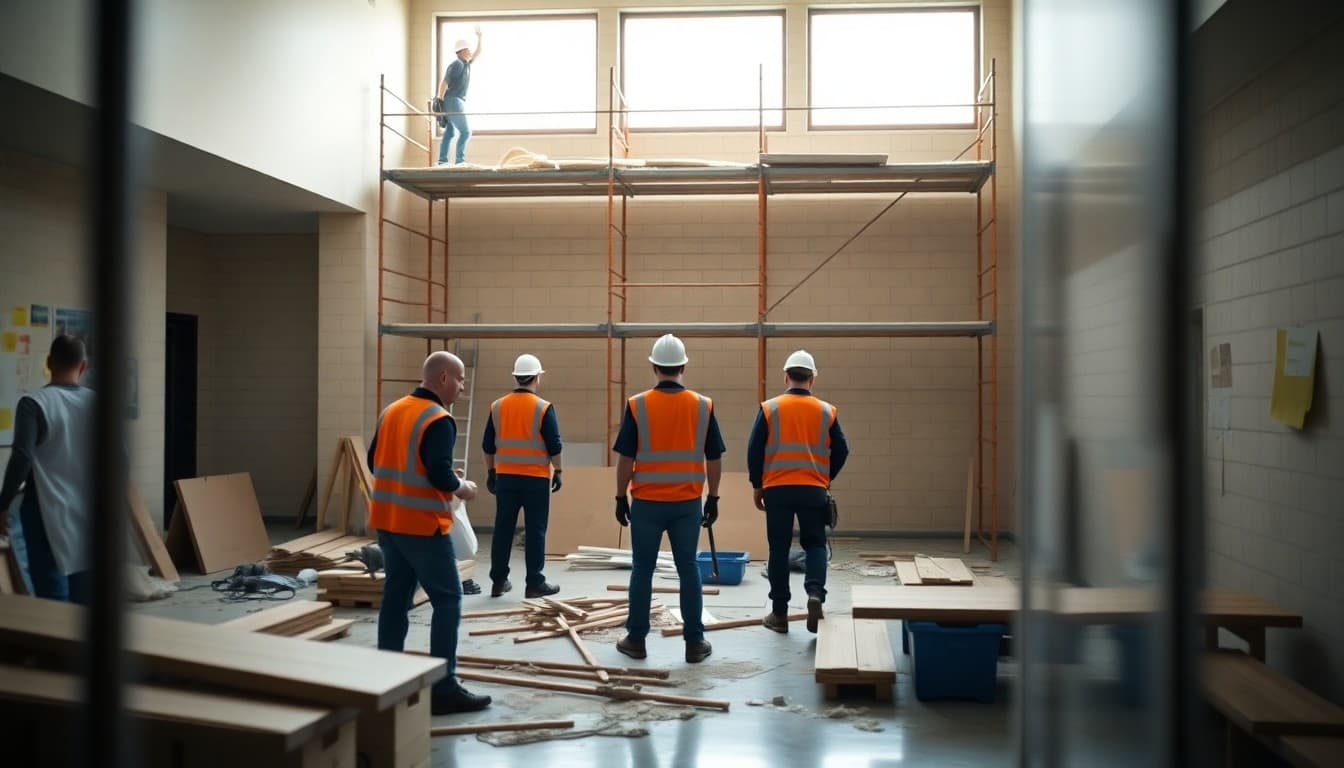
Active construction projects affect daily school life even when the work is confined to specific areas of a building. Noise, dust, restricted hallway access, temporary classroom relocations, and adjusted parking are common disruptions. The newsletter should acknowledge these disruptions specifically, describe what the district is doing to minimize them, and provide a realistic timeline for when conditions will normalize. Parents of students in affected schools appreciate being told what to expect rather than discovering disruptions on the first day of school. If construction will affect dismissal logistics, bus pickup locations, or after-school access, that information needs to reach families before it becomes a problem.
Community Input on Facilities Planning
Capital planning benefits from community input beyond the formal board vote on bond referenda. Facilities committees, community surveys, and public input sessions during the capital improvement plan update process give residents a voice in shaping priorities. The newsletter should inform families when these input opportunities exist and how to participate. A community that feels heard in the planning process is more likely to support the funding requests that follow. Describe any upcoming opportunities for public input, the timeline for the next facilities assessment, and how previous community feedback has influenced current project priorities.
Get one newsletter idea every week.
Free. For teachers. No spam.
Frequently asked questions
What is capital outlay spending in a school district?
Capital outlay refers to spending on long-lived physical assets: buildings, major renovations, land, equipment with a useful life beyond one year, and infrastructure like HVAC systems or technology networks. It is distinct from operational spending, which covers salaries, supplies, and services that are consumed within the year. Capital spending typically requires separate voter authorization or bond funding and is tracked in a separate fund in district financial statements.
How does a school district fund capital projects?
Districts fund capital projects through several mechanisms: general obligation bonds approved by voters, state construction aid programs, federal grants for specific purposes like safety upgrades or energy efficiency, capital reserve funds built up over time from operational surpluses, and lease-purchase agreements for equipment. Many states require voter approval for bond issuance above a certain threshold. The newsletter should identify the funding source for each project mentioned.
What should a capital outlay newsletter include?
Cover the current capital project list with status updates, cost-to-date versus budget, expected completion dates, and any scope changes since the last communication. Include the source of funding for each project. If there are projects in the planning or design phase, describe the process and expected timeline for construction decisions. Families appreciate understanding which schools are affected and what disruption to expect during construction.
How does the board prioritize which capital projects to fund?
Most districts conduct periodic facilities assessments that rate building conditions across dimensions like structural integrity, mechanical systems, code compliance, educational adequacy, and accessibility. These ratings are combined with enrollment projections and community input to produce a prioritized capital improvement plan, often spanning five to ten years. The newsletter can reference the most recent facilities assessment to show the basis for project priorities.
How does Daystage help districts communicate capital project updates to families?
Daystage lets districts send formatted newsletters with project status tables, before-and-after photos, and timeline graphics that give families a clear picture of facility investments. A Daystage newsletter that tracks capital projects over time creates an accessible public record of how facility funds are being used.

Adi Ackerman
Author
Adi Ackerman is a former classroom teacher and curriculum writer with 8 years in K-8 schools. She writes about school communication, parent engagement, and what actually works in real classrooms.
More for School Board
Ready to send your first newsletter?
3 newsletters free. No credit card. First one ready in under 5 minutes.
Get started free