
School Board Newsletter: Bond Measure Year-One Progress Update
When voters approve a bond measure, they are trusting the board to spend public money on the projects that were promised. Year one of a bond program is when that trust is established or eroded. A clear, specific newsletter showing what has been accomplished, what is underway, and what the oversight process looks like gives taxpayers confidence that the program is being managed responsibly.
Start With What Was Promised Versus What Was Delivered
Open the newsletter by connecting year-one results to the ballot measure commitments. List the projects that were completed in year one. If a project was promised and is ahead of schedule, say so. If a project was planned for year one and slipped into year two, say that too. The direct comparison between promise and result is the foundation of accountability communication.
Report the Numbers Clearly
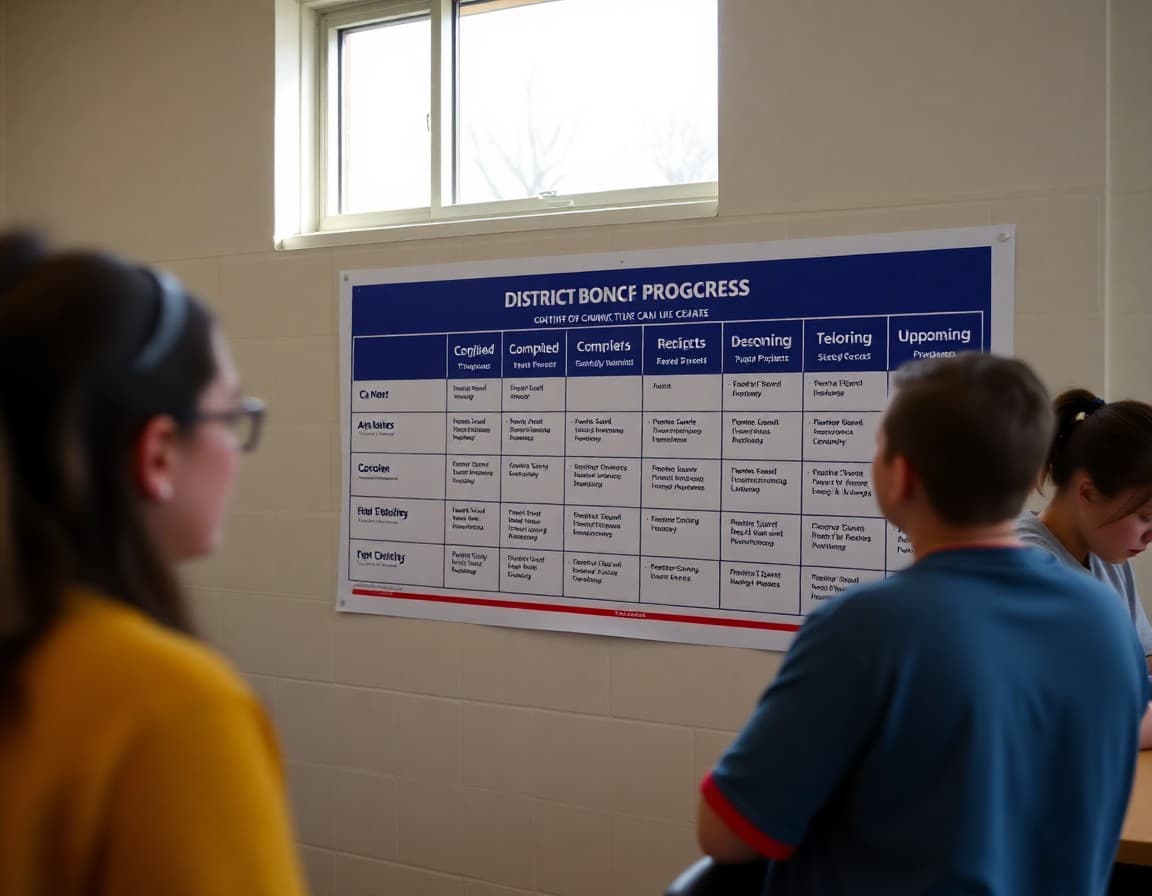
Families and taxpayers want to know how much money has been spent and whether that spending is on track with projections. State the total bond authorization, the amount spent in year one, the amount encumbered in active contracts, and the remaining balance. If your district uses a bond program dashboard or oversight committee reports, include a link. Numbers presented simply, without jargon, demonstrate that the board has nothing to hide.
Describe Each Completed Project
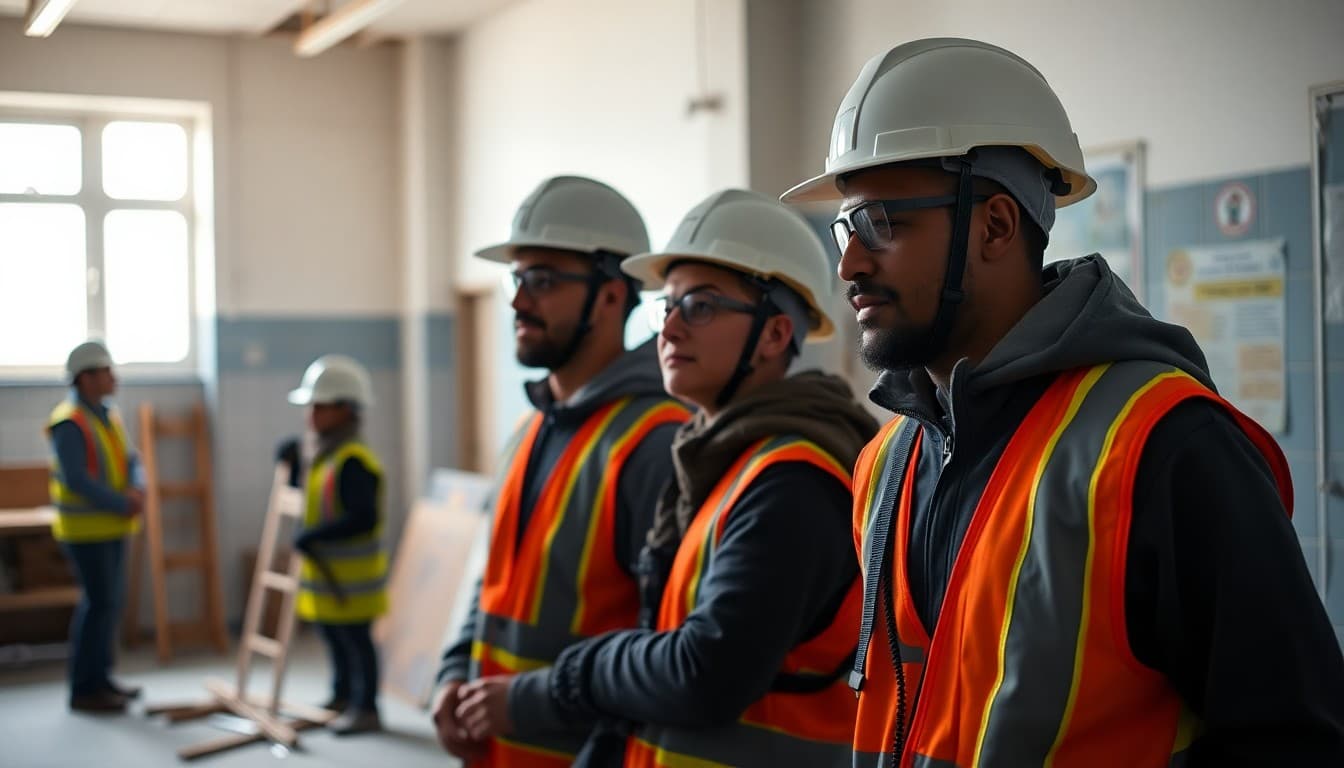
For each project completed in year one, write one paragraph: what was done, which school or facility benefited, and what the improvement means for students and staff. Include a photo if available. This section turns the bond from an abstract financial instrument into tangible improvements that families can see and touch. The parent who walks into a newly renovated library understands exactly what their vote funded.
Update Families on Active Projects
For projects underway, give the current status and expected completion date. Note any scope adjustments that were made since the original plan and briefly explain why. Scope changes happen in almost every capital program; communicating about them proactively shows the board is managing the program actively rather than discovering surprises.
Address Delays Honestly
If a project was scheduled for year one and has not started, do not skip it in the update. Name it, explain the cause of the delay, and give the revised timeline. Supply chain issues, contractor shortages, and permitting delays are all legitimate causes that families can understand. What damages trust is finding out about a delay from a board critic rather than from the board itself.
Describe the Oversight Process
Most bond measures require an independent oversight committee. Describe who is on that committee, how often they meet, and what they reviewed in year one. If the committee published a report, link to it. An active, credible oversight committee is one of the strongest signals that the bond program is being managed with integrity.
Preview Year Two
Close the newsletter with a brief preview of what is planned for year two: which projects are scheduled to begin, which are expected to complete, and when the next update will be sent. Daystage makes it easy to schedule that next update so it goes out on time without requiring someone to remember to draft and send it. Consistent, predictable communication is what turns a year-one bond update into a multi-year relationship with the community.
Get one newsletter idea every week.
Free. For teachers. No spam.
Frequently asked questions
How often should a school board communicate about bond program progress?
At minimum, send a year-one update, a mid-program update, and a completion report. Many districts also send quarterly project-level updates to the bond oversight committee that can be summarized for a broader audience. Consistent communication throughout the bond period builds the community trust needed when future bond measures come up for vote.
What should a year-one bond update newsletter include?
Cover funds allocated versus funds spent, projects completed in year one, projects underway with expected completion dates, any projects that have been delayed and why, the oversight committee's findings, and any changes to the project list that the board authorized. Transparency on delays is as important as celebrating completions.
How do we communicate bond delays without damaging community trust?
Name the cause of the delay plainly: supply chain issues, contractor availability, permit delays, or scope changes. Explain what the revised timeline is and who is accountable for the recovery. Families who see honest reporting on delays are more likely to trust the program than families who only heard about delays through rumor.
Should the bond newsletter include photos?
Yes. Photos of completed renovations, construction in progress, and new facilities turn abstract budget numbers into visible results. Before-and-after comparisons are especially effective. Families who voted for the bond want to see what their approval produced.
What tool works best for school newsletters?
Daystage works well for bond updates because you can include photo galleries of construction progress, embed project timelines, and segment sends so bond oversight committee members get a more detailed version than the general family audience.

Adi Ackerman
Author
Adi Ackerman is a former classroom teacher and curriculum writer with 8 years in K-8 schools. She writes about school communication, parent engagement, and what actually works in real classrooms.
More for School Board
Ready to send your first newsletter?
3 newsletters free. No credit card. First one ready in under 5 minutes.
Get started free