
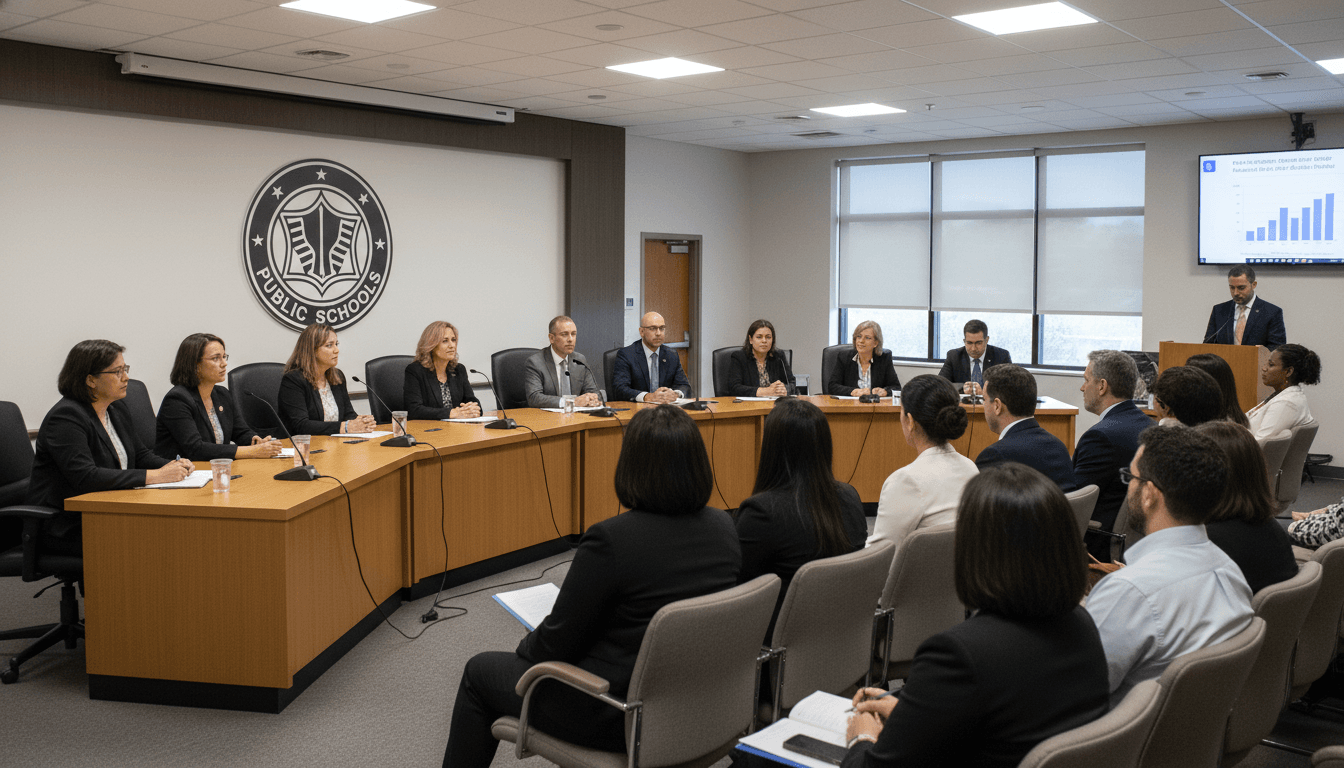
District Grant Award Newsletter: Communicating New Funding and Its Impact to Families
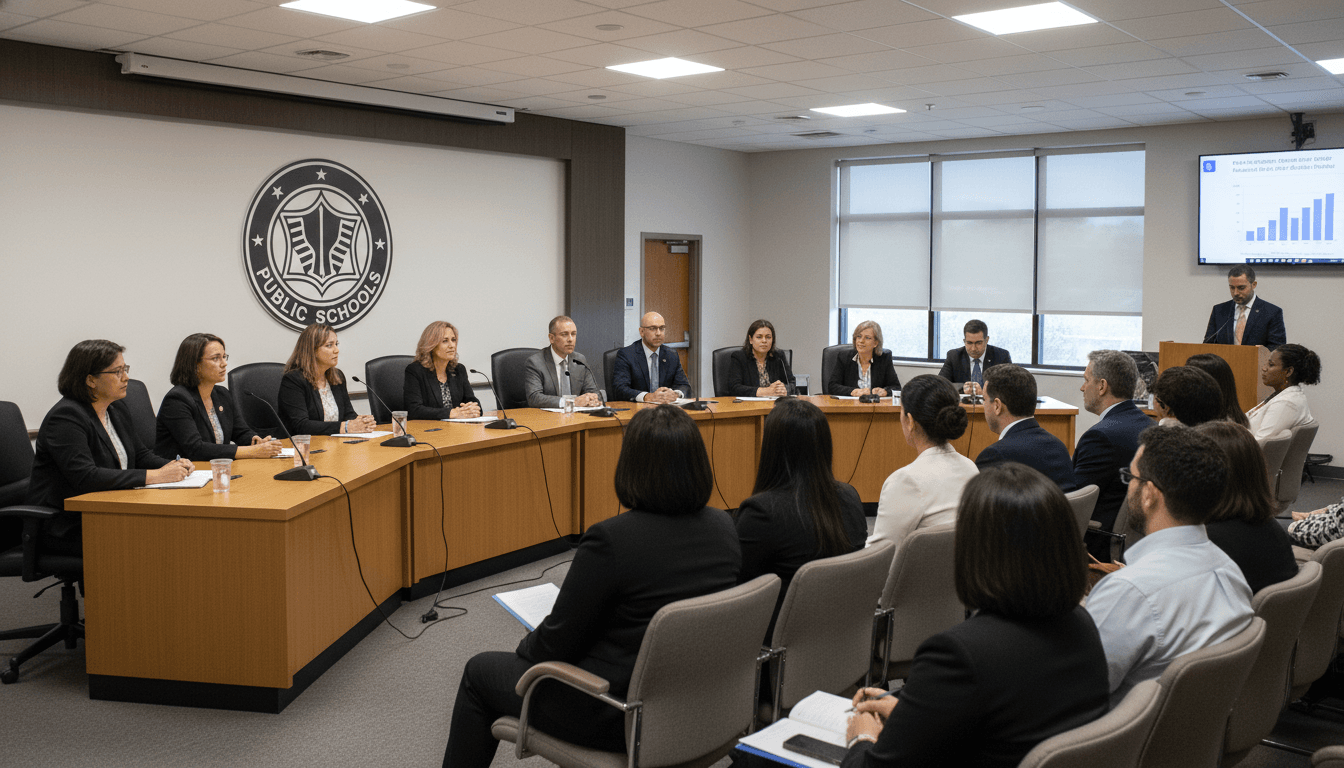
Grant awards represent additional resources that extend what a district can do for its students beyond what the base budget allows. A newsletter that announces a grant award clearly, describes what it will fund, and commits to reporting on outcomes, builds community confidence in the district's ability to identify and deploy external resources effectively. Grant communication is also an opportunity to educate families about the full financial picture of district operations beyond the property tax levy.
This guide covers what to include in a grant award newsletter, how to communicate intended outcomes, how to report on grant stewardship, and how to frame grant communication in terms of student impact rather than institutional achievement.
Describing what the grant will fund specifically
A grant award announcement that states only the amount misses the most important information. A newsletter that describes specifically what the grant will fund, in terms of programs, positions, materials, or equipment, gives families a concrete picture of what the additional resource means for their children. "The district has received a $250,000 grant from the state's literacy initiative to fund a reading specialist position at each of our four elementary schools for the next three years" is more informative than "the district received a $250,000 literacy grant."
Identifying which students and schools will benefit
Not all grants benefit all students equally. A newsletter that identifies which schools, grade levels, or student populations are directly affected by a grant-funded program gives families accurate information about whether and how the grant affects their own children. Families who benefit from a grant-funded program are more engaged with it when they know it exists. Families who are not directly affected understand better why certain schools or programs are receiving targeted resources.
Communicating the intended outcomes
Grant awards come with expectations. A newsletter that describes the specific outcomes the grant is designed to produce, whether improved reading scores, increased computer science enrollment, expanded mental health services, or accelerated graduation rates for at-risk students, and what the timeline for achieving those outcomes is, communicates that the district will be accountable for results, not only for spending. Outcome framing is more credible than output framing.
Reporting on grant progress throughout the grant period
A grant announcement without follow-up communicates that the award was important but the results are not. A newsletter that provides annual progress updates on significant grant-funded programs, reporting on how implementation is going, what early results show, and what is being adjusted based on experience, builds sustained community confidence in grant stewardship. Families who receive progress updates are better advocates for grant renewal than families who received only the announcement.
Acknowledging the individuals who secured the grant
Grant writing is skilled work that takes significant time and expertise. A newsletter that recognizes the specific staff members who wrote and managed the grant application gives credit where it is due and builds community awareness of the work that goes into resource development. Recognition of grant development work also communicates to staff that the district values their efforts to expand what the district can offer students.
Using Daystage for grant communication
Daystage district newsletters support announcing grant awards and maintaining accountability updates throughout grant periods. Build grant announcements into your regular newsletter as significant funding news warrants, and include progress reports on major grants in your annual district report newsletter. Consistent grant communication through the regular district newsletter channel builds the community understanding of how the district is resourced and how it delivers on its grant commitments.
Get one newsletter idea every week.
Free. For teachers. No spam.
Frequently asked questions
What should a district grant award newsletter include?
Cover the grant source and amount, what the grant funds specifically, which students and schools will benefit and how, what outcomes the grant is designed to produce, and how the district will report on grant-funded results. Grant newsletters are most credible when they describe specific intended outcomes rather than only the award amount.
How do I communicate a large grant award without making it sound like a press release?
Focus on the students and programs that will be directly affected rather than on the institutional accomplishment of winning the grant. Describe who will teach the new program, which students it will serve, what they will be able to do differently as a result, and when families will begin to see the impact. That framing connects the grant to real school experience rather than to institutional achievement.
How do I communicate a grant application that was not funded?
Be straightforward: the district applied for a grant to fund a specific program or initiative and was not selected in this cycle. Describe what the program would have funded and whether the district is pursuing alternative funding. Families who know the district is actively seeking additional resources are more supportive than families who only hear about successes.
How do I communicate accountability for how grant funds are being used?
Report on grant-funded program progress and outcomes in subsequent newsletters throughout the grant period. State what measurable outcomes the grant requires and report against those outcomes annually. Families who receive regular updates on how grant funds are being used develop confidence in the district's stewardship of public and philanthropic resources.
How does Daystage support grant communication?
Daystage district newsletters support announcing grant awards and following up with progress reports through the same regular communication channel. Build a funding update section into your district newsletter template and report on new grants and the outcomes of ongoing grant-funded programs consistently. Families who receive regular updates on district funding sources and their outcomes develop a more complete picture of how the district is resourced.

Adi Ackerman
Author
Adi Ackerman is a former classroom teacher and curriculum writer with 8 years in K-8 schools. She writes about school communication, parent engagement, and what actually works in real classrooms.
More for School Board
District Mental Health Initiative Newsletter: Communicating Student Wellness Programs to Families
School Board · 6 min read
New Principal Announcement Newsletter: Introducing School Leadership to Families
School Board · 6 min read
School Calendar Decision Newsletter: Communicating Year, Breaks, and Schedule Changes to Families
School Board · 6 min read
Ready to send your first newsletter?
3 newsletters free. No credit card. First one ready in under 5 minutes.
Get started free