

Alaska School Board Newsletter Guide: Communication in Remote Districts
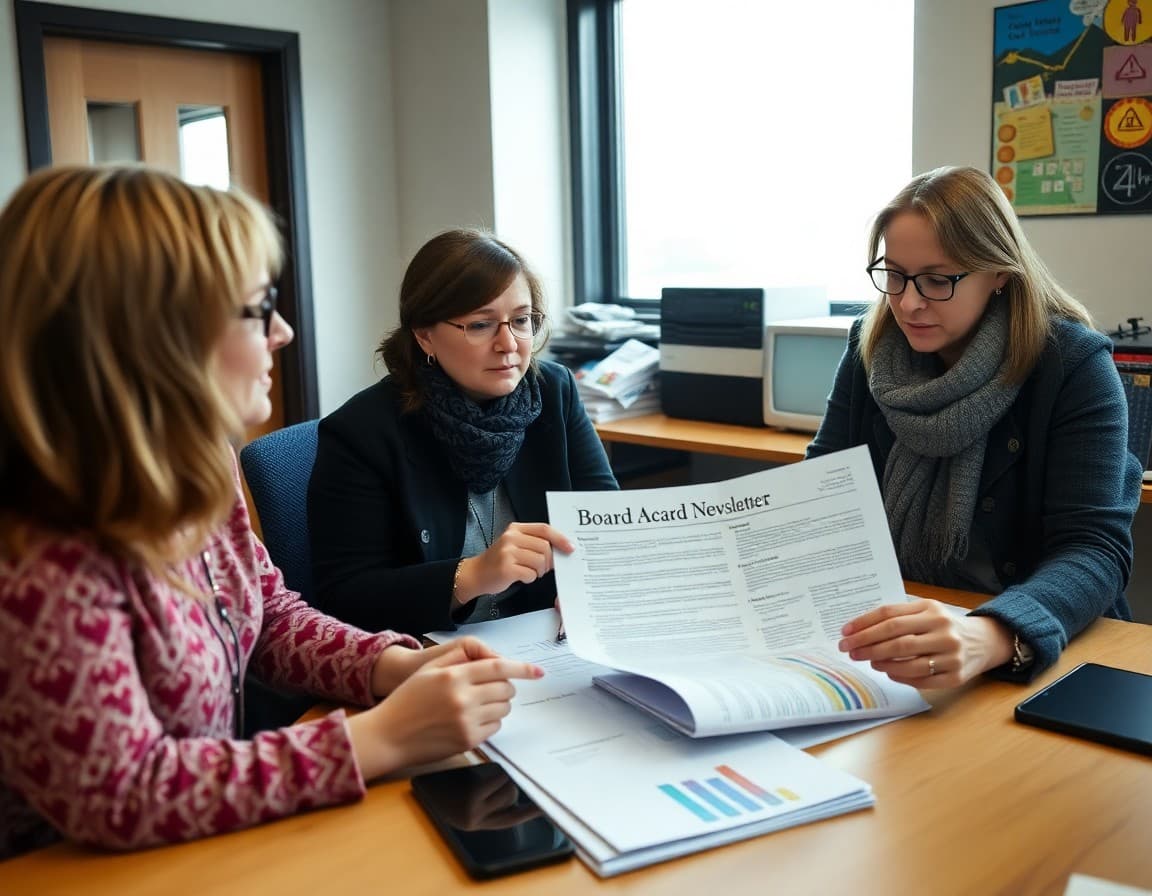
Alaska school boards govern an extraordinary range of districts, from large urban systems in Anchorage and Fairbanks to small borough and city school districts in communities accessible only by air or water. What unites all of them is the fundamental obligation of elected and appointed board members to keep the communities they serve informed about the decisions made in their name. A consistent, substantive school board newsletter is the most reliable way to fulfill that obligation when geography makes in-person engagement difficult for many families.
This guide covers what Alaska school board newsletters should include, how to address the communication challenges specific to Alaska's geographic context, and how to build community trust through consistent written governance communication.
Reaching families in geographically dispersed communities
In many Alaska districts, the families the board serves live hours away from the district office, and attending a board meeting in person is not practical. Email newsletters become the primary governance communication channel for these families. That reality raises the stakes for newsletter quality. A newsletter that is vague, infrequent, or written primarily for an insider audience fails the families who are most dependent on it for information about district governance. Boards should design newsletters with the assumption that many readers will never attend a board meeting in person.
Summarizing board meeting decisions clearly
Each newsletter should include a clear summary of what the board decided at its most recent meeting and why. For significant decisions, go beyond listing the vote outcome to explain the reasoning: what problem was being addressed, what options were considered, and why this course was chosen. Alaska families who understand the board's reasoning are more likely to trust board decisions, and more likely to engage constructively when they disagree.
Communicating Alaska state education policy to local families
Alaska school policy is shaped at multiple levels: the state Board of Education, the legislature, the federal government, and the local board. When changes at any of these levels affect local families, the board newsletter is the right place to translate those changes into plain language. Explain what changed, when it takes effect, what the local board's response is, and what families need to know. Boards that connect state and federal policy to local reality position themselves as informed interpreters of a complex system.
Budget transparency in Alaska school districts
Alaska district budgets are heavily influenced by the Base Student Allocation and by energy costs that are far higher in rural communities than in the contiguous states. Families benefit from understanding these constraints. A newsletter budget section that explains how state funding flows to the district, what fixed costs consume the largest shares of the budget, and how the board is making decisions within those constraints builds the fiscal credibility that sustains community support for education funding.
Addressing community input and concerns directly
When community members have raised questions or concerns about board actions, the newsletter is the right channel to address them. Acknowledge what was heard, explain how it was considered, and describe the outcome. In remote Alaska communities where the relationship between residents and their board may be more direct and personal than in larger urban systems, dismissing or ignoring community concerns in official communication is especially damaging to board credibility.
Making participation accessible despite geographic barriers
Board meetings in Alaska may be difficult to attend in person, but participation in governance should not require travel. Newsletters should describe how families can submit written comments, how they can follow board meetings via teleconference or video if available, and how they can contact board members directly. Advisory committee opportunities and community listening sessions, when offered, should be promoted in the newsletter with specific participation logistics.
Using Daystage for Alaska board newsletter delivery
Daystage supports Alaska school boards in building a consistent digital newsletter channel that reaches families wherever they are in the district. Design a board newsletter template with standard sections that families can rely on month to month. The Daystage platform makes it straightforward to build a professional newsletter that looks consistent, delivers reliably, and reflects the seriousness of the governance communication it carries.
Sustaining communication across board transitions
Alaska school board composition changes through elections and appointments. Newsletter communication should be designed as an institutional function, not a personal one. When new members join the board, introduce them in the newsletter. When longtime members leave, acknowledge their service. Maintaining a consistent structure and publication schedule across these transitions reassures families that the board's communication commitments are institutional, not contingent on which individuals happen to be serving.
Get one newsletter idea every week.
Free. For teachers. No spam.
Frequently asked questions
What unique communication challenges do Alaska school boards face?
Alaska districts often serve geographically dispersed communities where in-person participation in board meetings is not feasible for many families. A well-designed newsletter becomes even more important in these contexts because it may be the primary channel through which many families learn about board decisions and governance activities. Digital delivery via email is especially important where travel to board meetings is impractical.
How often should an Alaska school board publish a newsletter?
Monthly publication is the standard for most boards. For Alaska districts where board meetings follow the school calendar and may be less frequent during summer months, adjust the schedule accordingly but maintain at least quarterly publication year-round. Families in remote communities especially benefit from knowing they can count on regular communication from the district.
How should Alaska school boards communicate about state funding changes?
Alaska school funding is tied to the Base Student Allocation set by the legislature, and changes to that figure have direct effects on local district budgets. When the legislature acts, boards should communicate promptly: what changed, what it means for the local budget, and what the board plans to do in response. Families who understand the state funding mechanism are better positioned to engage with their legislators as well as their local board.
What tone is appropriate for Alaska school board newsletters?
Direct and substantive. Alaska communities tend to value plain communication that respects their intelligence and their time. Avoid administrative language, explain acronyms on first use, and get to the point quickly. Boards that communicate clearly and directly build more trust than those that communicate in polished but vague institutional language.
How does Daystage help Alaska school boards communicate with families?
Daystage provides Alaska school boards with a newsletter platform that works reliably for digital delivery across dispersed communities. Build a standard board newsletter template with consistent sections: meeting summary, policy updates, budget information, and participation opportunities. Consistent structure helps families in remote communities stay connected to district governance regardless of their ability to attend meetings in person.

Adi Ackerman
Author
Adi Ackerman is a former classroom teacher and curriculum writer with 8 years in K-8 schools. She writes about school communication, parent engagement, and what actually works in real classrooms.
More for School Board
School Board Newsletter Guide: Communicating Governance Decisions to District Families
School Board · 6 min read
School Board Meeting Summary Newsletter: Communicating What Happened at the Board Meeting
School Board · 5 min read
District Enrollment Trends Newsletter: Communicating Demographic Change to School Families
School Board · 6 min read
Ready to send your first newsletter?
3 newsletters free. No credit card. First one ready in under 5 minutes.
Get started free