

Title I School Family Communication in Washington
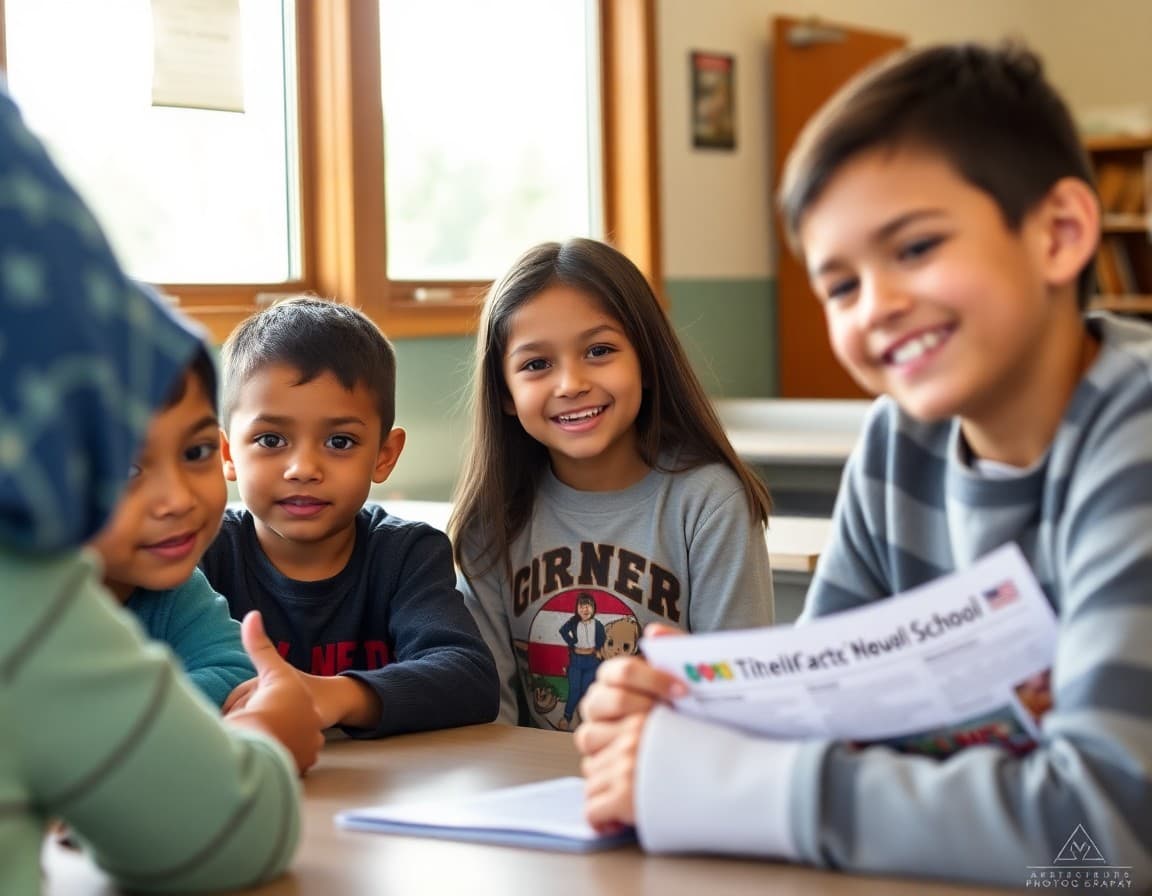
Washington's eastern half is a different world from the Seattle tech economy. The Yakima Valley's apple orchards and hop fields depend on Hispanic farmworker families whose children attend Title I schools across the valley. These families face specific communication challenges: seasonal mobility, shift work during harvest, and the ever-present issue of language access. Yakima City schools, the largest district in the valley, serve one of the highest proportions of English learners in the state.
Washington's Title I landscape
Yakima County has child poverty rates consistently above 25-30%, concentrated in Hispanic farmworker communities. Schools in Yakima, Sunnyside, Granger, Grandview, and Toppenish serve communities where Spanish is the dominant language and family engagement requires genuine bilingual capacity, not just translated compliance documents.
The Yakama Nation's reservation covers a large portion of central Washington, and the Yakama Nation Education Department works with both tribal and public schools serving Yakama students. The reservation's border towns (Wapato, White Swan, and surrounding communities) have significant tribal enrollment in public schools.
Seattle's south end (Rainier Beach, Rainier Valley, White Center) and Tacoma's lower-income neighborhoods have diverse Title I schools serving Black, Hispanic, Asian Pacific Islander, and immigrant communities. Seattle Public Schools' refugee student program serves families from East Africa, the Middle East, and Southeast Asia.
ESSA requirements for Washington Title I schools
OSPI administers Title I and monitors compliance. Required activities under ESSA Section 1116:
- Annual meeting for all parents explaining Title I status and parent rights
- Family Engagement Policy developed with parent input, distributed annually
- School-Parent Compact provided to every family, discussed at parent-teacher conferences
- Annual notification of the right to request teacher qualification information
- At least 1% of Title I funds reserved for family engagement activities
Yakima Valley: Spanish as the community language
In communities like Sunnyside and Granger, Spanish is the primary language of much of the community. Schools that have Spanish-speaking staff at all levels, that produce Spanish-first newsletters, and that schedule events around agricultural work calendars serve these families effectively. The harvest season in August and September is the busiest and most physically demanding time for farmworker families. Scheduling the annual Title I meeting during harvest is guaranteed to produce low attendance.
The Washington Migrant Education Program has staff in the Yakima Valley who maintain contact with migrant families through the year. Schools that coordinate with MEP reach families through an established trusted channel. MEP also provides funding for supplemental educational services that Title I funds can complement.
Yakama Nation and tribal school relationships
The Yakama Nation Education Department has substantial resources and programs for Yakama students in both tribal and public schools. Schools in the Yakima Valley with significant Yakama enrollment should have an active relationship with the tribal education department. Yakama cultural events and community gatherings follow traditional calendars, and scheduling school events in conflict with them reduces family participation.
Seattle and Tacoma's diverse urban communities
Seattle Public Schools serves a remarkably diverse Title I population in the south end. The Somali, Ethiopian, Eritrean, Vietnamese, and other communities each have distinct communication needs. White Center (unincorporated King County) has a large Latino and Pacific Islander community. Tacoma's Lincoln District and east side neighborhoods have significant immigrant and lower-income communities.
School-Parent Compact for Washington families
For Yakima Valley farmworker schools, the compact should acknowledge the seasonal work calendar and make Spanish the default language for the document rather than an afterthought translation. For Seattle and Tacoma schools with diverse communities, multiple language versions of key documents are appropriate. Specific school commitments in plain language make the compact a useful communication tool.
Consistent newsletters from the Yakima Valley to Seattle
Schools using Daystage send bilingual newsletters that reach Yakima Valley farmworker families on smartphones, Seattle urban families across email providers, and Tacoma's diverse communities in a single consistent format. Inline email delivery without extra click-throughs works across Washington's varied connectivity landscape. That consistency, week over week, is what makes the Title I annual meeting and compact engagement feel like parts of a real partnership with families.
Get one newsletter idea every week.
Free. For teachers. No spam.
Frequently asked questions
What ESSA requirements apply to Washington Title I schools?
Washington Title I schools must hold an annual meeting for all parents explaining Title I status and parent rights, develop and distribute a Family Engagement Policy with parent input, provide every family a School-Parent Compact, reserve at least 1% of Title I funds for family engagement, and notify parents of their right to request teacher qualifications. The Washington Office of Superintendent of Public Instruction (OSPI) monitors Title I compliance through its federal programs office.
Where are Title I schools concentrated in Washington?
Washington's Title I schools are concentrated in the Yakima Valley (which has the state's largest concentration of Hispanic farmworker families), southeastern Washington's Tri-Cities and Walla Walla areas, Seattle's south end and Rainier Valley neighborhoods, Tacoma, and rural eastern Washington. Yakima County has some of the highest child poverty rates in the state. About 40-45% of Washington public schools receive Title I funding.
How do Yakima Valley schools communicate with farmworker families?
The Yakima Valley produces apples, hops, wine grapes, and other crops that depend on a large Hispanic agricultural workforce. Many families are seasonal, following harvest work through the year. Schools in Yakima, Sunnyside, Granger, Grandview, and Toppenish deal with enrollment fluctuations and family mobility. The Washington Migrant Education Program provides outreach services. Spanish bilingual newsletters, text messaging, and community liaison relationships with labor camp managers help schools reach mobile families.
What is the tribal school situation in Washington state?
Washington has 29 federally recognized tribes, more than any other state. Tribal education departments work with both BIE schools and state public schools serving tribal members. The Yakama Nation in the Yakima Valley has an active education department. Western Washington has large tribal communities including the Coast Salish tribes. Schools with significant tribal enrollment should coordinate with tribal education departments for family engagement.
What newsletter tool works for Washington state Title I schools?
Daystage is used by Washington schools, including some Yakima Valley schools, to send bilingual newsletters to farmworker families. The inline email delivery without extra click-throughs works on mobile connections in rural eastern Washington. For Seattle and Tacoma schools serving diverse urban families, Daystage supports multilingual content in a single newsletter.

Adi Ackerman
Author
Adi Ackerman is a former classroom teacher and curriculum writer with 8 years in K-8 schools. She writes about school communication, parent engagement, and what actually works in real classrooms.
More for Rural & Title I
Ready to send your first newsletter?
3 newsletters free. No credit card. First one ready in under 5 minutes.
Get started free