

Title I School Family Communication in Utah
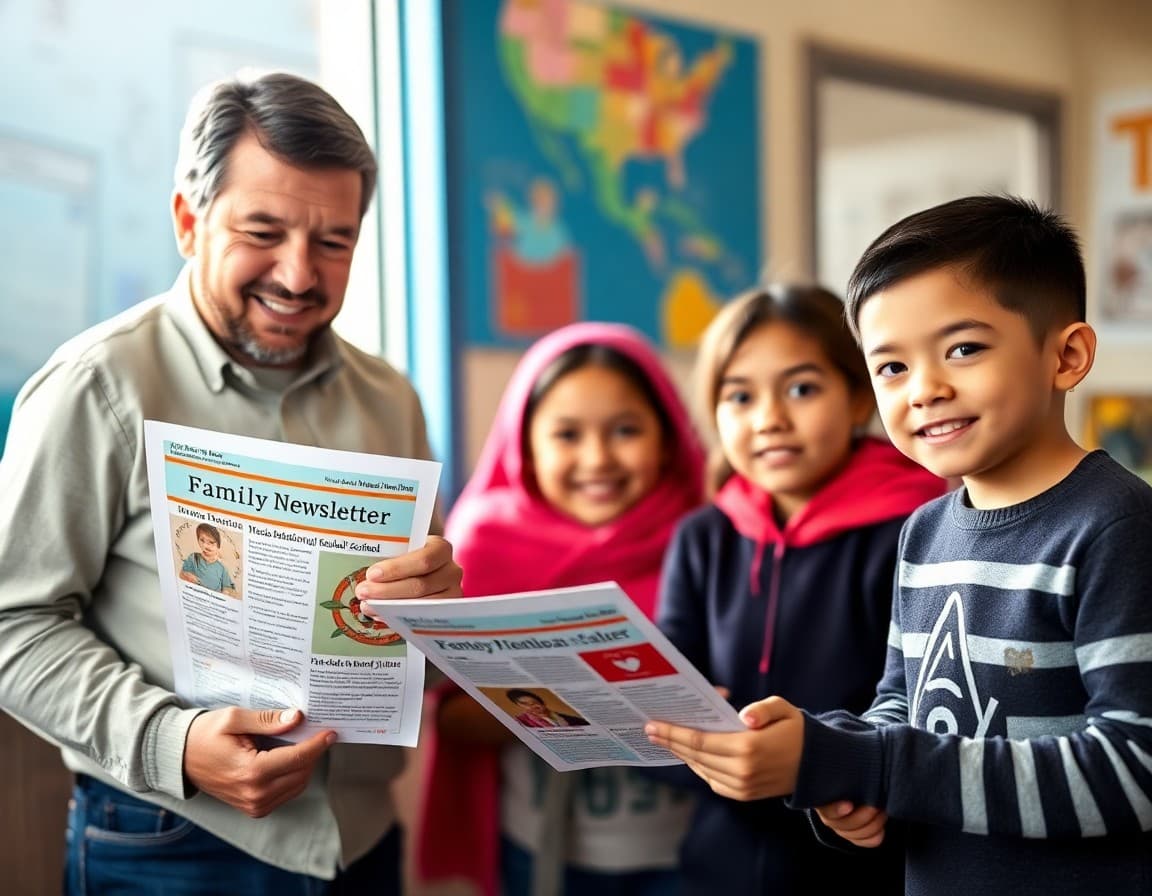
Utah projects an image of economic prosperity, but San Juan County in the southeastern corner of the state has child poverty rates that rival the Mississippi Delta. The Utah portion of the Navajo Nation faces the same communication challenges as the larger reservation in Arizona and New Mexico. At the same time, Salt Lake City and Ogden have developed significant refugee communities that require completely different communication approaches. Utah Title I schools serve both of these contexts.
Utah's Title I landscape
San Juan County contains the Utah portion of the Navajo Nation as well as Ute Mountain Ute tribal lands. The county has a majority Native American population and persistent poverty. San Juan School District covers a geographic area larger than some eastern states with a small total student population. Getting communications to families in remote Navajo communities is a genuine logistical challenge.
Salt Lake City's west side has a dense immigrant and refugee community that has been resettled through the International Rescue Committee and Catholic Community Services. The area includes families from the Democratic Republic of Congo, Myanmar, Afghanistan, and many other countries. Ogden's refugee community has grown as resettlement agencies have placed families there.
Rural Utah's agricultural counties (Sevier, Sanpete, and Carbon) have some lower-income communities and Title I schools serving farming families. Carbon County, a former coal mining area, has economic challenges similar to Appalachian communities.
ESSA requirements for Utah Title I schools
The Utah State Board of Education administers Title I and monitors compliance. Required activities under ESSA Section 1116:
- Annual meeting for all parents explaining Title I status and parent rights
- Family Engagement Policy developed with parent input, distributed annually
- School-Parent Compact provided to every family, discussed at parent-teacher conferences
- Annual notification of the right to request teacher qualification information
- At least 1% of Title I funds reserved for family engagement activities
San Juan County and the Utah Navajo Nation
San Juan School District schools serving Navajo students face the same core challenges as schools in the Arizona and New Mexico portions of the Navajo Nation: satellite internet connectivity, long travel distances, cultural and historical context that shapes how families relate to public schools, and the importance of working through Navajo Nation governance channels for family engagement.
The Utah Navajo Nation has its own chapter houses, chapter leadership, and community communication networks. Schools in Montezuma Creek, Bluff, and Monument Valley that work through these channels reach families more effectively. Radio stations accessible from the Utah Navajo Nation, including KTNN from the Arizona side, are used for community announcements.
Salt Lake City and Ogden refugee communities
The International Rescue Committee's Salt Lake City office and Catholic Community Services have established relationships with refugee families that public schools can build on. For Karen and Karenni families from Myanmar, community organizations including the Utah Burmese Community Association are trusted resources. For Congolese families, community churches often serve as communication hubs.
Schools in Salt Lake City's west side (Salt Lake City School District) have invested significantly in multilingual family engagement over the past decade. The district has a multilingual department and community liaison programs that individual schools can access.
School-Parent Compact writing for Utah families
For San Juan County schools, the compact should acknowledge the Navajo context and the school's commitment to cultural responsiveness. For Salt Lake City and Ogden refugee families, having the compact available in the primary languages of the school community before the first parent-teacher conference shows preparation. Specific school commitments in plain language make the compact meaningful across all contexts.
Consistent newsletters across Utah's diverse Title I schools
From San Juan County's remote Navajo communities to Salt Lake City's west side refugee neighborhoods, a consistent newsletter adapted to local needs is the foundation of effective family communication. Schools using Daystage send newsletters that arrive inline in email, work on mobile connections in rural areas, and can include multiple language sections. The consistency of weekly communication builds the trust that makes Title I compliance activities effective rather than performative.
Get one newsletter idea every week.
Free. For teachers. No spam.
Frequently asked questions
What ESSA requirements apply to Utah Title I schools?
Utah Title I schools must hold an annual meeting for all parents explaining Title I status and parent rights, develop and distribute a Family Engagement Policy with parent input, provide every family a School-Parent Compact, reserve at least 1% of Title I funds for family engagement, and notify parents of their right to request teacher qualifications. The Utah State Board of Education monitors Title I compliance through its student support office.
Where are Title I schools concentrated in Utah?
Utah's Title I schools are concentrated in San Juan County (which has a majority Native American population, primarily Navajo and Ute), the Salt Lake City west side (with a large and diverse immigrant and refugee community), Ogden (which has significant refugee resettlement), and rural agricultural counties. Utah has relatively lower overall poverty than most states, but its pockets of concentrated poverty in Native American communities and urban refugee communities have significant Title I needs.
What is the Title I situation in San Juan County, Utah?
San Juan County, Utah, in the state's southeastern corner, is home to the Utah portion of the Navajo Nation and the Ute Mountain Ute Tribe. The county has a majority Native American population and child poverty rates comparable to the Navajo Nation in Arizona and New Mexico. San Juan School District serves a large Navajo student population across an enormous geographic area with limited connectivity and resources. Communication with families on the Utah Navajo Nation faces the same challenges as in Arizona and New Mexico.
What is the refugee community situation in Ogden and Salt Lake City?
Utah has received significant refugee resettlement, concentrated in Salt Lake City's west side and Ogden. Communities include refugees from various African countries (Democratic Republic of Congo, Somalia, and others), Myanmar (Karen and Karenni), and other countries. Ogden has become a significant secondary refugee destination. Schools in these areas need multilingual communication capacity and community liaison relationships with refugee service organizations.
What newsletter tool works for Utah Title I schools?
Daystage is used by Utah schools to send consistent newsletters to families across urban and rural contexts. For Salt Lake City and Ogden schools with diverse refugee families, Daystage supports multilingual content. For San Juan County schools with Navajo families in areas with limited connectivity, Daystage's inline email delivery works on mobile connections. Print copies remain important for the most remote communities.

Adi Ackerman
Author
Adi Ackerman is a former classroom teacher and curriculum writer with 8 years in K-8 schools. She writes about school communication, parent engagement, and what actually works in real classrooms.
More for Rural & Title I
Ready to send your first newsletter?
3 newsletters free. No credit card. First one ready in under 5 minutes.
Get started free