
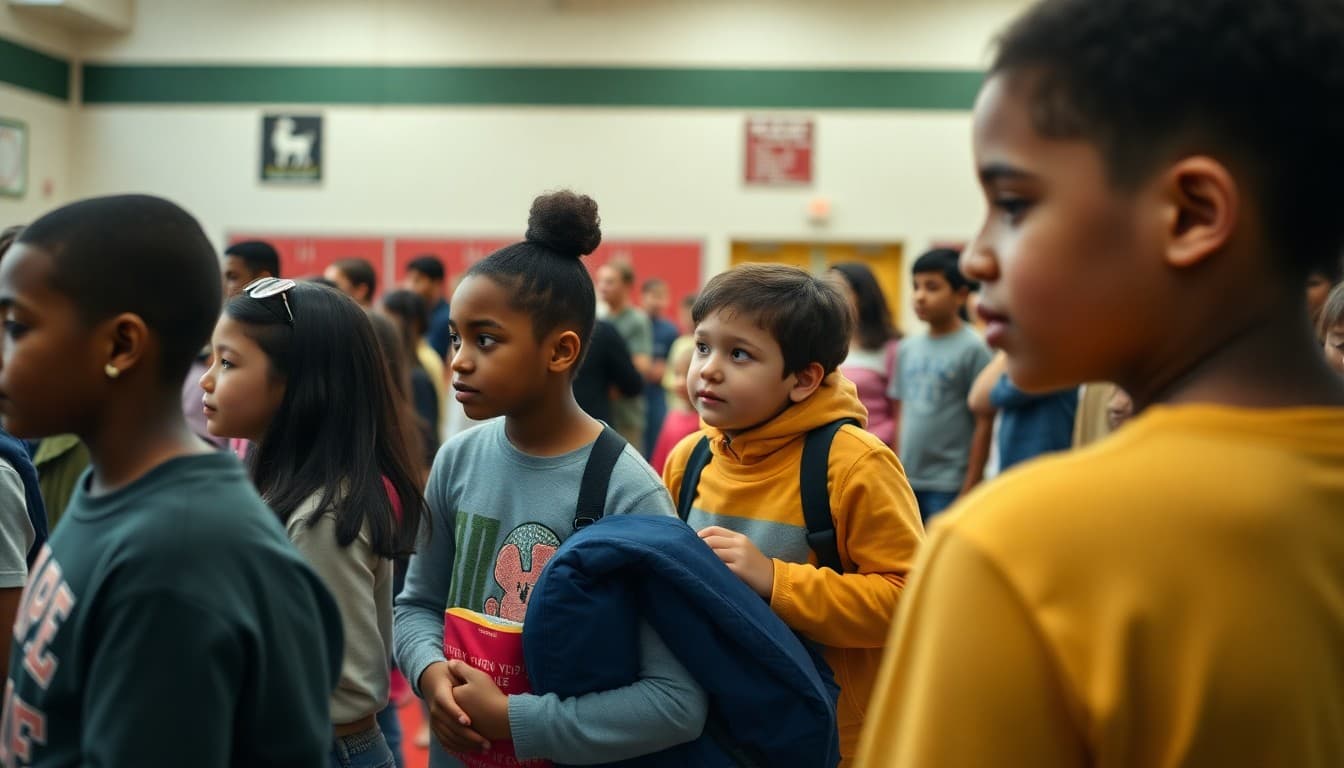
Open House Newsletter for Title I School Families
Open house attendance at Title I schools is often lower than administrators would like, and the gap is rarely about lack of interest. It is about barriers. A newsletter that identifies those barriers and actively removes them changes the equation more than any amount of enthusiastic promotion.
Name the Barriers Before Families Do
The families least likely to attend open house are often the ones who would benefit most from the connection it creates. Evening work shifts. No one to watch younger children. Transportation that ends before 9 PM. A history of feeling unwelcome at school events. A newsletter that names these realities and responds to them with specific solutions earns trust in a way that generic invitations cannot.
A direct approach works: "We know coming out on a Tuesday evening is not easy for every family. Here is what we are doing to make it possible. Childcare for children under 12 will be available in Room 108. A light dinner will be served from 5:30 to 6:00 PM. If you need help with transportation, contact Ms. Davis at 901-555-0182 before September 10." That newsletter is doing real work.
Explaining What Families Will Get From Attending
Title I school families are practical. They make decisions based on what an activity will produce for their family, not on abstract appeals to community or school spirit. A newsletter that tells them specifically what they will learn at open house, what resources they can sign up for, and what questions they can ask, gives them a concrete reason to be there.
For example: "At open house, you will hear from each of your child's teachers about what the class will study this year and how homework is graded. You will also be able to sign up for our free after-school tutoring program, meet our reading specialist, and speak with Ms. Davis about any services your family might need this year." That preview converts vague interest into a genuine commitment.
A Template Excerpt for a Title I Open House Newsletter
Here is a section from a Title I elementary school in Atlanta:
"Open House is Thursday, September 11 from 5:30 to 7:30 PM. Dinner is served from 5:30 to 6:00 PM in the cafeteria at no cost. Classroom visits begin at 6:00 PM. Each grade level meets for 25 minutes. Spanish-language sessions are available for grades K through 3. Childcare for children under 10 will be available in the gym. Our Title I parent coordinator, Ms. Williams, will be set up near the main entrance with information about all of our family support programs. If you are coming from work and need more time, the building will stay open until 8:00 PM and teachers will be available for individual questions after the group sessions end."
Every detail in that section addresses a specific barrier. The extended hours address work schedule conflicts. The Spanish sessions address language access. The dinner addresses families coming directly from work. This is what it means to design for the actual audience.
Language Access at the Event and in the Newsletter
If your school serves families who speak languages other than English, the open house newsletter should be available in those languages. Even a partial translation of the logistics section, date, time, location, and support services available, ensures that multilingual families receive enough information to make the decision to attend.
In the newsletter, also name what language support will be available at the event itself. If bilingual staff will be present, say which languages. If translation devices or headsets are available for the teacher presentations, explain how they work. Families who know translation support will be available are far more likely to attend than families who are not sure whether they will be able to understand what is happening.
Using Open House to Connect Families to Title I Resources
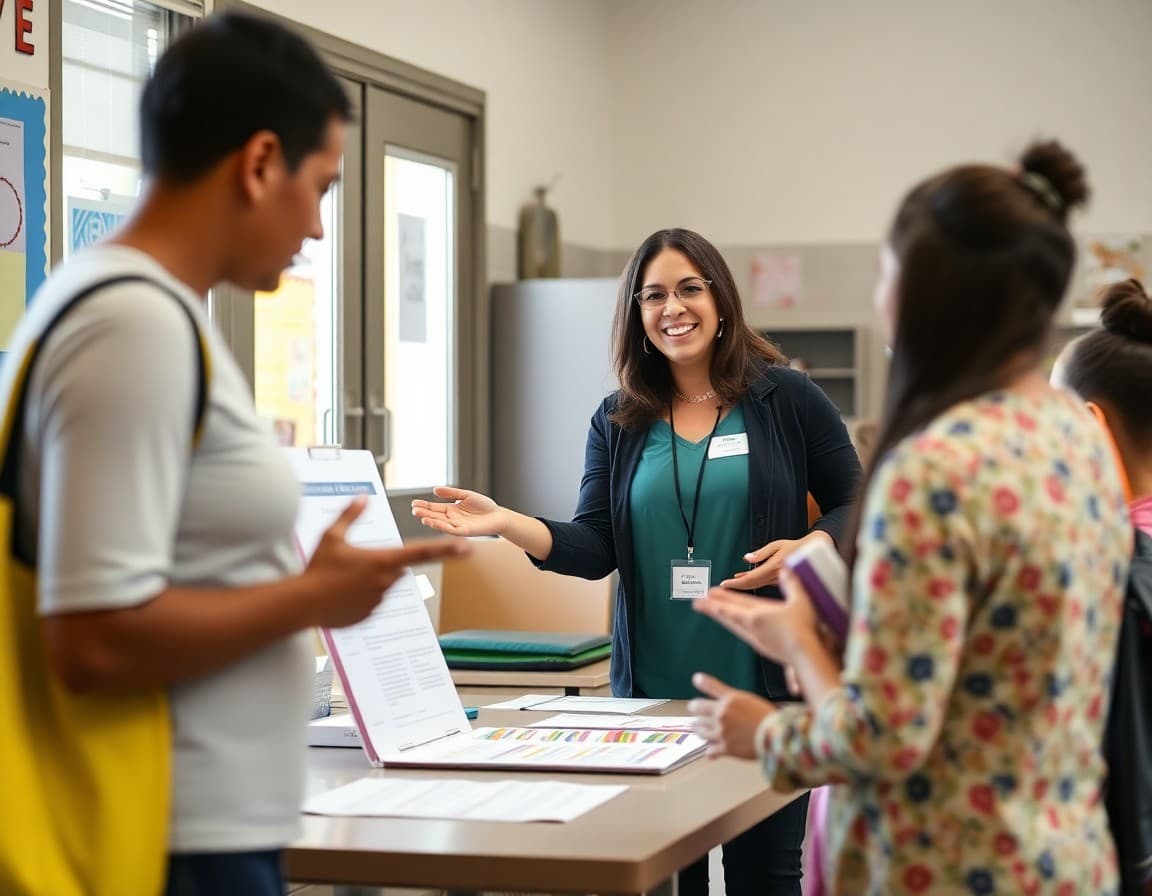
Open house is one of the best opportunities of the year to connect families to the specific programs that Title I funding supports. A Title I parent coordinator at a visible station near the entrance, with printed information about reading specialists, tutoring programs, family workshops, and assistance resources, can reach dozens of families who would not seek out that information on their own.
The newsletter should preview this opportunity. "At the Resource Table near the main entrance, you can sign up for after-school tutoring, learn about our family literacy workshops, and speak with our school counselor." Families who know the Resource Table exists will make a point of stopping there.
Offering Alternatives for Families Who Cannot Attend
Even with maximum support, some Title I school families will not be able to make it to open house. Acknowledge this in the newsletter and name the alternatives. A packet sent home with the student the following day. A virtual option for families who can access it. A scheduled phone call with the teacher within the week after open house. These alternatives ensure that the school's information reaches every family, not just those who can physically attend.
Following Up After the Event
Send a brief follow-up newsletter within two days of open house. Thank families who attended, include a few photos from the evening, and provide the same key information for families who could not be there. This follow-up is particularly important for Title I schools because it signals that the school's communication does not depend on in-person attendance. Every family receives the same information through a different channel.
Get one newsletter idea every week.
Free. For teachers. No spam.
Frequently asked questions
What barriers most commonly prevent Title I school families from attending open house?
Work schedule conflicts are the most common barrier, particularly for families working evening shifts. Transportation is a close second. Childcare for younger siblings, language barriers for families with limited English proficiency, and past negative experiences with school events also reduce attendance. A newsletter that acknowledges these barriers and addresses as many as possible directly will reach more families than one that simply announces the event.
What should a Title I school open house newsletter include that standard templates miss?
Information about practical supports available at the event: whether food is provided, whether there is childcare in the building, whether translation services are available, and whether the school can help families access programs like free and reduced lunch during the evening. Title I families often have needs that a typical open house newsletter does not address. Naming these supports turns an event announcement into a genuine invitation.
How do I write an open house newsletter that does not sound condescending to Title I families?
Write to families as capable adults who have complicated lives, not as people who need to be instructed on how to be involved in their children's education. Acknowledge that attending an evening event requires real sacrifice of time and energy. Explain what families will gain from the event specifically, not generically. Assume they are coming because they care, not because they need to be motivated.
Should the open house newsletter include information about Title I programs?
Yes. Open house is a natural time to introduce families to Title I-funded programs and services, including reading specialists, tutoring, family workshops, and any assistance programs the school offers. Families who learn about these resources at open house are more likely to access them during the year. If your school has a Title I parent coordinator, they should be available at open house and named in the newsletter.
Can Daystage help send open house newsletters to Title I school families?
Yes. Daystage makes it simple to build newsletters that work on mobile devices, which matters for Title I school communities where many families access communications through smartphones. You can also produce a printable version for distribution to families without reliable digital access, which is common in Title I communities.

Adi Ackerman
Author
Adi Ackerman is a former classroom teacher and curriculum writer with 8 years in K-8 schools. She writes about school communication, parent engagement, and what actually works in real classrooms.
More for Rural & Title I
Ready to send your first newsletter?
3 newsletters free. No credit card. First one ready in under 5 minutes.
Get started free