
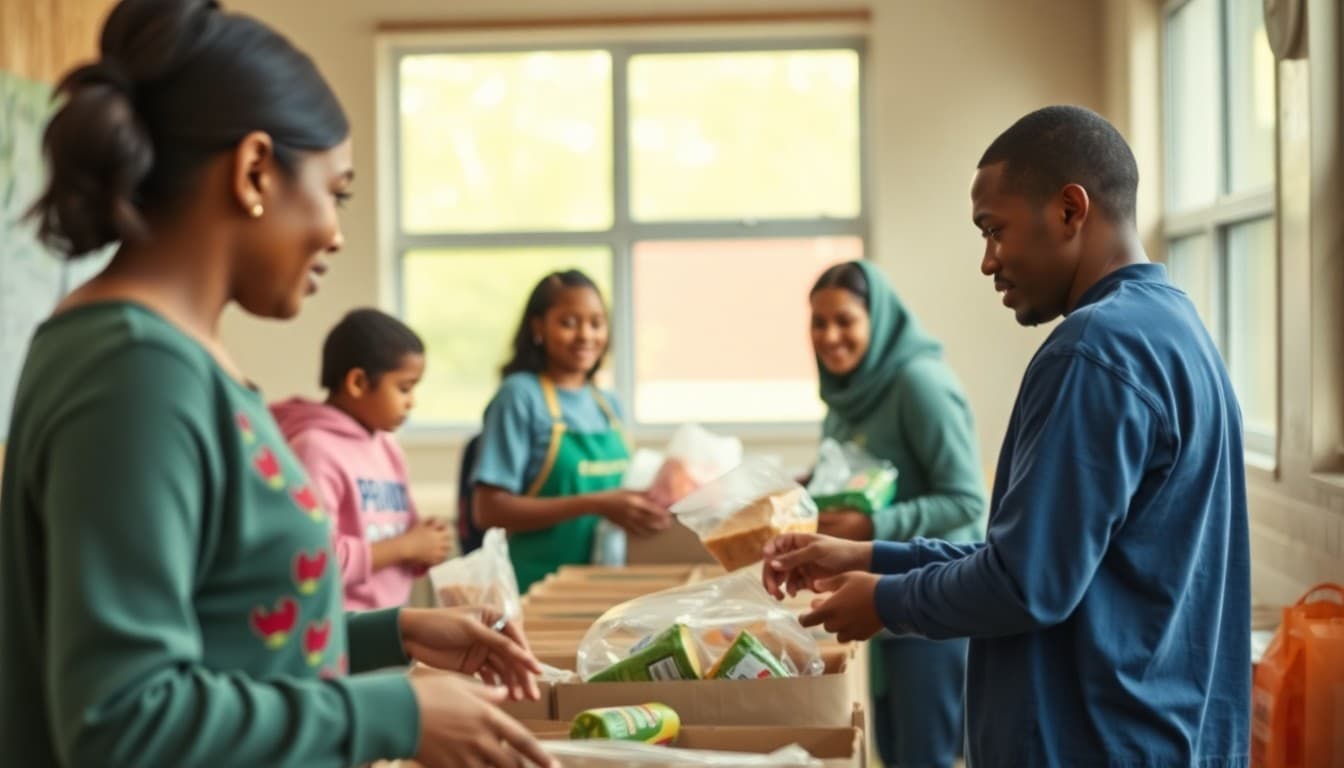
School Newsletter: Mobile Food Pantry at Our School
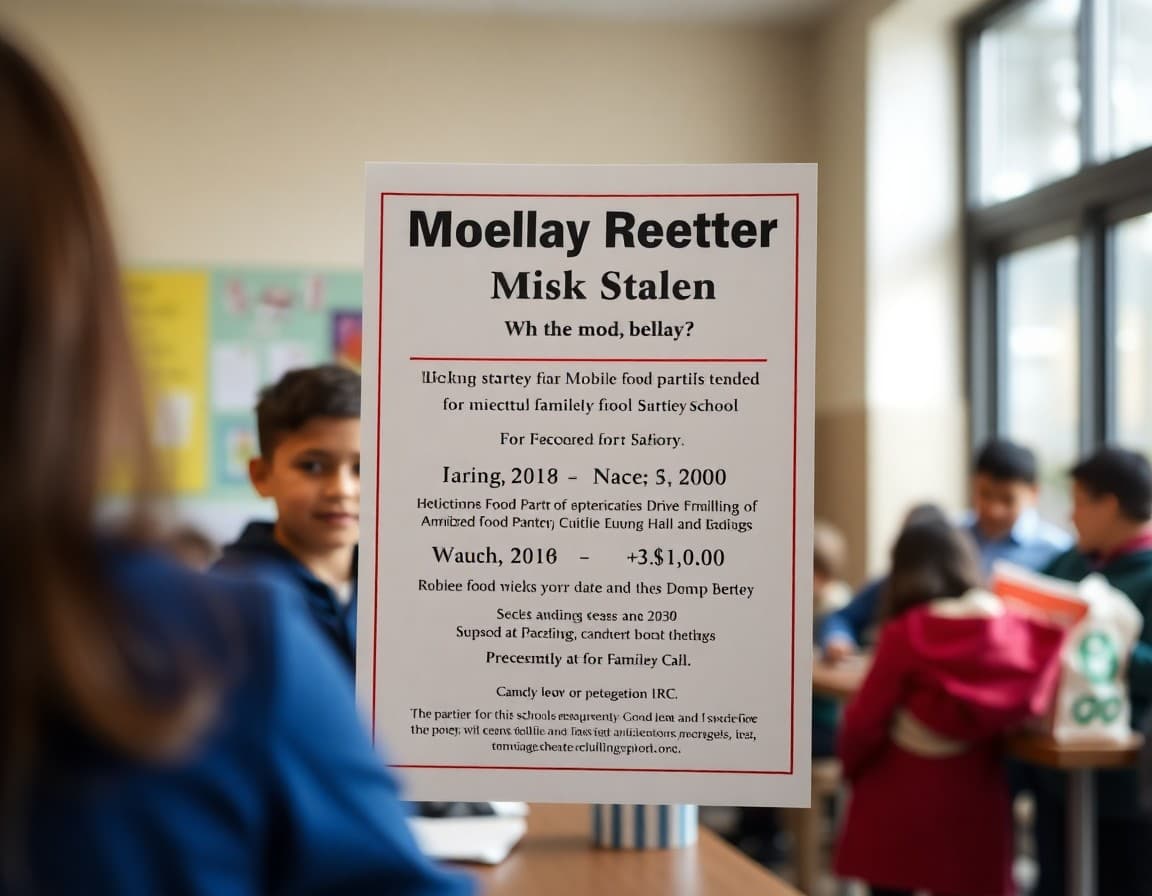
A mobile food pantry at school is one of the most direct ways a school can address the food insecurity that affects student attendance, focus, and learning. The newsletter announcing it has one job: get families to show up, without shame, without barriers, with enough logistical information to make it easy. This guide covers how to write that communication.
Language That Removes Stigma
The way you frame the food pantry in the newsletter determines whether the families who most need it feel welcome or whether they quietly decide it is not for people like them. Avoid terms like "families in need," "low-income families," "food-insecure students," or "families struggling to afford groceries." These phrases are accurate but they ask people to identify themselves publicly as people in a hard situation. Instead, use language like "available to all school families," "open to anyone who would like to participate," or "no income verification required." The resource is equally accessible to everyone. Write it that way.
What to Include in the Announcement
Give families everything they need to show up. Date and time, location (specific: "the parking lot behind the gym" not just "on school grounds"), what is typically available (fresh produce, canned goods, dairy, bread), whether registration is required, whether ID or documentation is required, whether families need to bring bags, and whether the distribution is drive-through or walk-up. The fewer unknowns, the fewer reasons a hesitant family has to stay home.
The No-Registration Option
If registration is not required, emphasize that. "No sign-up needed, just show up" is a powerful phrase for families who worry about their information being recorded. If some form of registration is needed, describe it as brief and explain why it is required. If families need to show any kind of documentation, be clear and honest about what is required. Surprising people at distribution by asking for something you did not mention in the newsletter breaks trust.
Sample Template Excerpt
Here is an announcement you can adapt:
"Dear Riverside families, we are pleased to share that the Community Fresh Food Network will be hosting a mobile food pantry in our school parking lot this Saturday, November 16th, from 10:00 AM to 12:00 PM. This distribution is open to all Riverside Elementary families. No registration, no income verification, and no ID is required. Families can drive through or walk up. Typical items include fresh produce, bread, canned goods, and dairy. Please bring your own bags or boxes if you have them, but extras will be available. We hope to see you there."
Partnering With the Organization Running the Pantry
If the food pantry is run by an external organization, name them in the newsletter. This acknowledges the partner, allows families to research them independently, and positions the school as a connector rather than a charity. Something like "in partnership with the Second Harvest Food Bank" contextualizes the resource and gives it a professional identity beyond the school's own communication.
Recurring Announcements
If the food pantry comes to your school monthly or quarterly, include a reminder in every school newsletter as a standing brief item. "Reminder: the monthly food distribution is on the third Saturday of each month from 10 AM to noon in our parking lot. All families welcome, no registration required." This brief reminder costs nothing to include and ensures that families whose needs change through the year have consistent visibility to the resource.
Confidentiality and Community Norms
Remind the community in the newsletter that attending is private and that families should not comment on or share information about who they see at the distribution. Most communities do not need this reminder, but including it once a year sets a norm that protects everyone and makes the most vulnerable families more comfortable participating.
Get one newsletter idea every week.
Free. For teachers. No spam.
Frequently asked questions
How do I write about a food pantry without making families feel singled out or ashamed?
Write to the full school community as if anyone might benefit. Avoid language like 'families in need' or 'struggling families.' Instead use 'all school families are welcome' or 'this is available to any family who would like to participate.' Normalizing access removes the stigma that prevents the families who need the service most from using it.
What logistics details should the newsletter include about a mobile food pantry?
Include the date, time, location on or near school grounds, what is typically available, whether registration is required, whether there are any eligibility requirements, and whether families can bring their own bags or boxes. The easier you make it to show up, the more families will use the resource.
Should I send the food pantry announcement to the full school or only to certain families?
Send it to the full school community. Selective distribution identifies and potentially stigmatizes recipients. Broad distribution normalizes the resource and allows families who are embarrassed to need help to show up without feeling identified.
How often should I mention the food pantry in the newsletter?
Every time it is available, even if it is monthly. Families who did not need it in October may need it in February. Consistent visibility keeps the resource accessible to families whose circumstances change through the year.
Can Daystage help me send food pantry announcements regularly on a schedule?
Yes. Daystage lets you send newsletters on a schedule so you can plan your food pantry communications in advance and make sure every family receives a reminder before each distribution date.

Adi Ackerman
Author
Adi Ackerman is a former classroom teacher and curriculum writer with 8 years in K-8 schools. She writes about school communication, parent engagement, and what actually works in real classrooms.
More for Rural & Title I
Ready to send your first newsletter?
3 newsletters free. No credit card. First one ready in under 5 minutes.
Get started free