
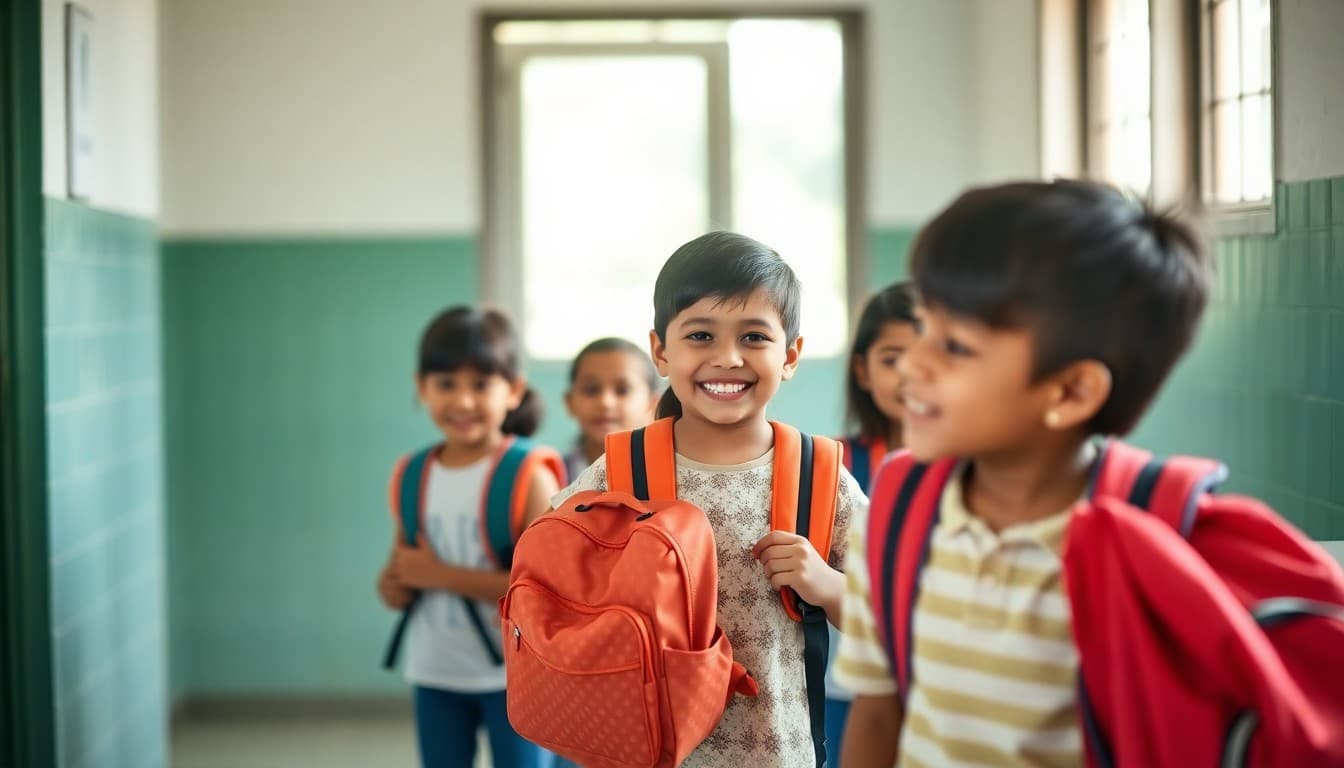
Back to School Newsletter for Rural School Families
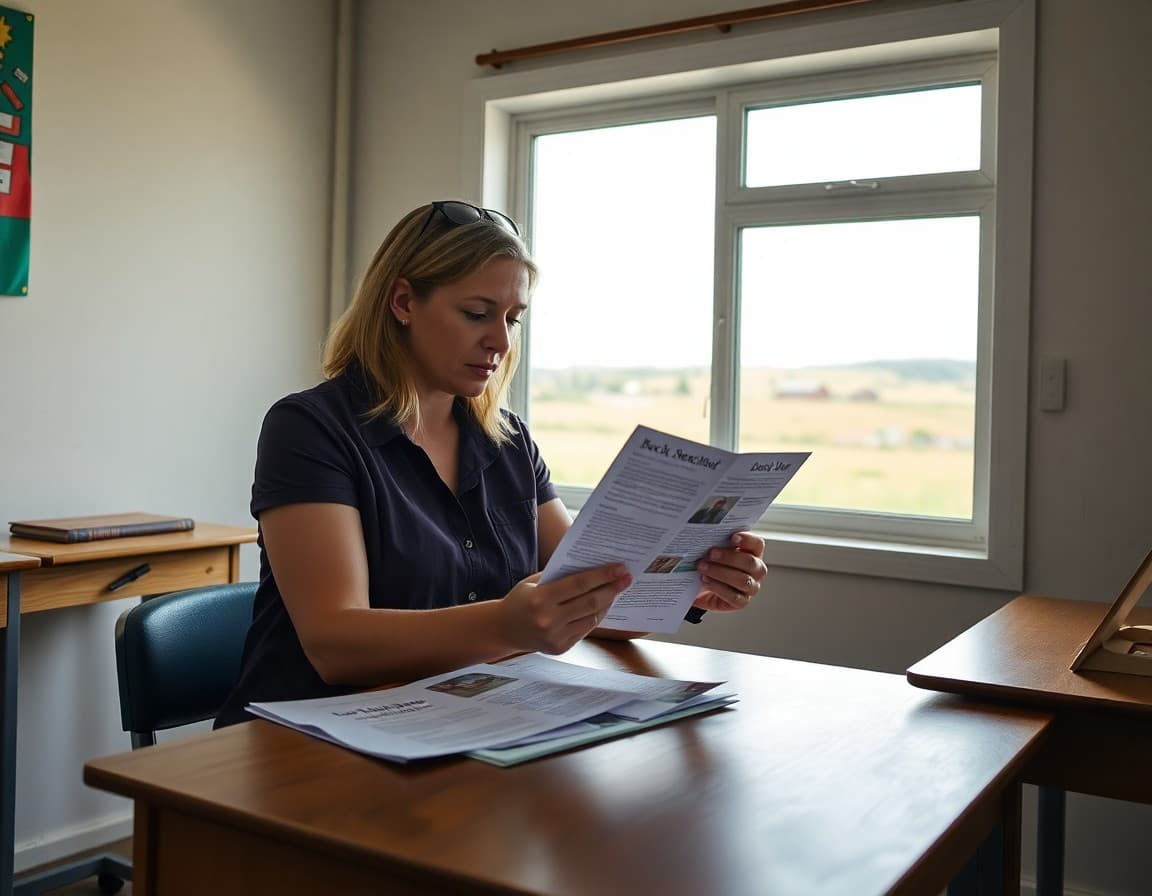
A rural school back to school newsletter is doing different work than the same document at a suburban school. It is not just covering logistics. It is maintaining a community institution's relationship with the families that depend on it, often across long distances and through multiple channels that all need to carry the same information.
Transportation First
In rural communities, the school bus is not an option. It is the system that makes school attendance possible for families living 15 or 20 miles from the building. Any changes to bus routes, pickup times, or stop locations are the highest-priority information in the back to school newsletter. Put this section first, not buried at the bottom.
Include every bus route number, each stop location with a landmark reference if possible, and the pickup and drop-off times. Name the transportation coordinator and include a direct phone number. For families in areas with limited cell service, clarity on bus logistics reduces the anxiety of the first week significantly.
Covering the First Day Schedule in Detail
Rural school families who have driven 20 miles to drop off a child need to know exactly where to go when they arrive. Include the entrance families should use, whether students go directly to classrooms or to an assembly area, and what time families can leave. For kindergarten or pre-K families, specify whether parents stay for a portion of the morning or say goodbye at the door.
If the school has a staggered arrival to manage parking or bus arrival times, explain the schedule clearly. Rural families plan their entire workday around these logistics, and ambiguity about arrival procedures creates unnecessary stress.
Supply List and Free Program Information
Include a grade-by-grade supply list and flag any items the school provides. Rural families often shop in towns 30 to 60 miles from home, so having the supply list before school starts allows them to purchase everything in one trip. If certain items are cost-prohibitive, mention whether the school has a supply closet or if there are resources available for families who need support.
Free and reduced lunch information belongs in every rural school back to school newsletter. Rural communities frequently have high rates of food insecurity, and families who qualify need clear instructions on how to apply. Include the deadline and the contact for questions. Present this as standard school information, not as something targeted at specific families.
A Template Excerpt for a Rural Back to School Newsletter
Here is an opening section from a rural Kansas school district's back to school newsletter:
"School begins Monday, August 25 at 8:00 AM. Bus routes are listed on page 2. If your route or stop changed this year, please call the transportation office at 620-555-0173 before August 20. Students in grades K through 6 enter through the north doors. Students in grades 7 and 8 enter through the east gymnasium entrance. Breakfast is available starting at 7:30 AM. All students qualify for free breakfast this year under the Community Eligibility Provision. Lunch applications for reduced-price meals are available at the front office and online at unified287.org/lunch."
This section is dense with information because that is what rural families need. Every sentence answers a real question.
Addressing Staff and Program Changes
Rural communities are small. If a beloved teacher retired, a principal moved on, or a new program was added over summer, families almost certainly heard something already. The back to school newsletter is the opportunity to provide accurate information before unofficial channels fill the gaps with speculation.
Name every significant change directly. Welcome new staff by first and last name with a brief background. Acknowledge departing staff respectfully. If a program changed or was cut, explain the decision in a sentence or two. Families who receive honest, direct information are more resilient to the inevitable disruptions than families who feel uninformed.
Highlighting Community Connections and Local Events
Rural schools are often the heart of their communities. A back to school newsletter that acknowledges this by mentioning upcoming county fairs, community events, or local partnerships that involve the school connects the newsletter to the broader fabric of rural life. A brief mention of a local business that donated school supplies, or a community volunteer who helped prepare the building, builds goodwill and names the relationships that sustain the school.
Communication Channels for the Year Ahead
Tell families how they will receive communication throughout the year. Which messages will come home with students? What is the best way to reach a specific teacher? Is there a parent portal and how does it work? Rural families who know the communication system are more likely to stay connected throughout the year, even if they cannot attend every event.
Print Distribution Plan
Before sending, have a plan for reaching every family, including those without email. Mail printed newsletters to families on the no-email list. Post copies at the post office and at least three other community locations. Ask bus drivers to hand copies to families at stops on the first day. A newsletter that reaches 80 percent of families digitally and the remaining 20 percent through print has done its job. One that only reaches the connected households has left out the families who often most need the information.
Get one newsletter idea every week.
Free. For teachers. No spam.
Frequently asked questions
What should a rural school back to school newsletter cover first?
Transportation is usually the top priority. Rural families depend heavily on bus service, and changes to routes, stops, or pickup times have a significant impact on family schedules. Include all bus route information prominently, with times, stop locations, and the contact for transportation questions. After transportation, cover the first day schedule, supply list, and who to contact at the school.
How do I distribute a back to school newsletter when many rural families lack email?
Plan for both digital and print distribution. Send the newsletter digitally to families with email addresses, and prepare a printed version to mail to families without email. Post a copy at community locations like the grain elevator, local diner, post office, and any churches the community uses. Sending a printed copy home with students on the first day is also standard practice for rural schools that want to ensure 100 percent reach.
Should a rural school back to school newsletter include information about free and reduced lunch?
Yes, absolutely. Many rural schools serve communities with high rates of food insecurity. Including information about the free and reduced lunch program, including how to apply and the deadline, ensures families know they can access this support without needing to ask. Frame it as standard information for all families, not as something targeted at lower-income households.
How should a rural school handle the back to school newsletter when staffing changes over summer?
Name every change directly. Rural communities are small and word travels fast. If there is a new principal, a teacher who left, or a new hire, families will already have heard something through the community grapevine. A newsletter that addresses these changes accurately and with context is more credible than one that leaves families to fill gaps with rumors.
Can Daystage handle sending newsletters to rural school families with limited connectivity?
Yes. Daystage produces newsletters that work well on mobile devices, which is how many rural families access email. You can also download and print the newsletter from Daystage to distribute physically, which is important for the segment of rural families who rely on print communications.

Adi Ackerman
Author
Adi Ackerman is a former classroom teacher and curriculum writer with 8 years in K-8 schools. She writes about school communication, parent engagement, and what actually works in real classrooms.
More for Rural & Title I
Ready to send your first newsletter?
3 newsletters free. No credit card. First one ready in under 5 minutes.
Get started free