
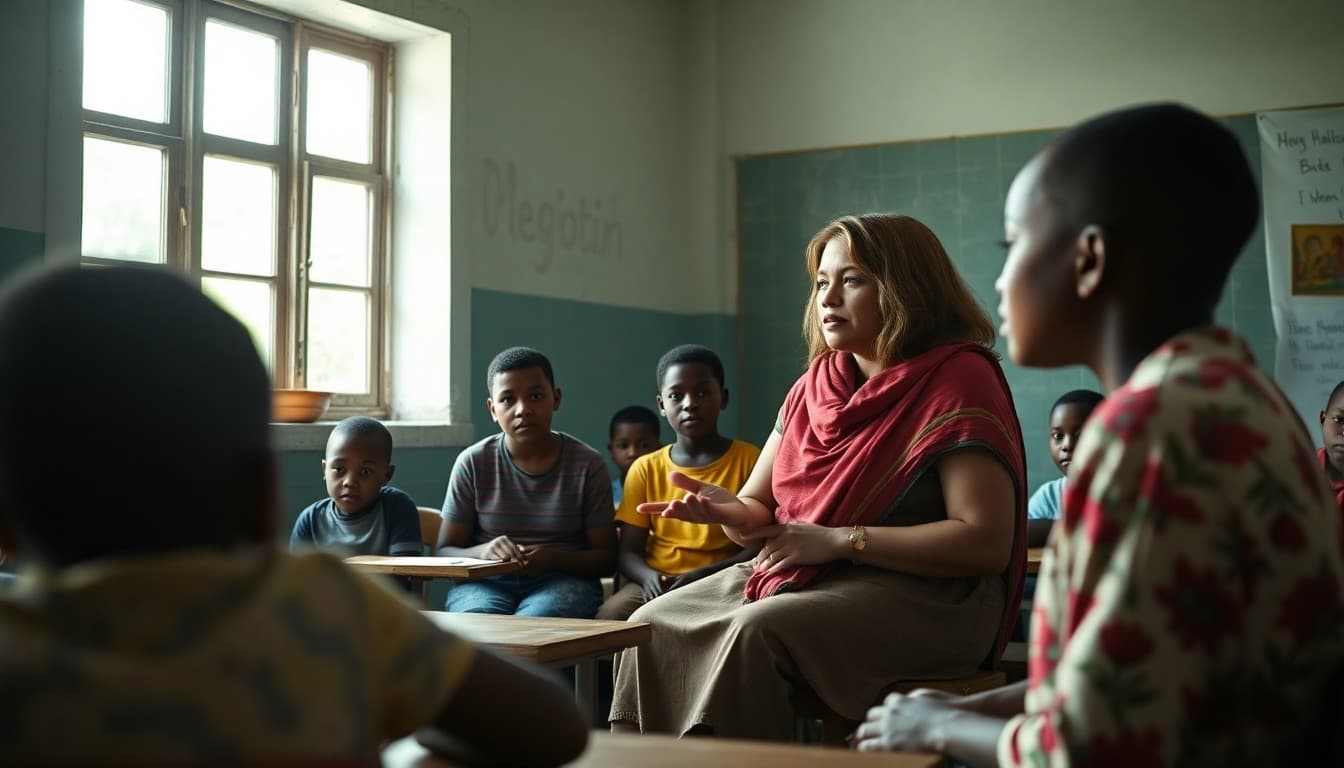
Rural School Communication Strategies for Louisiana Educators
Louisiana rural schools operate in one of the most challenging contexts in the country: high poverty, limited broadband, hurricane disruptions, and community diversity that ranges from Cajun bayou families to Vietnamese fishing communities to African American Piney Woods parishes. No off-the-shelf communication strategy works here. What works is one designed specifically for where the school sits.
Bayou Communities: Oral Tradition and Community Networks
The Atchafalaya Basin communities, the Terrebonne and Lafourche bayou parishes, and the coastal communities of southeast Louisiana have strong oral communication traditions. Word travels through family networks faster than email. The school newsletter that positions itself as one piece of a multi-channel communication system, supplemented by community distribution at churches, at the landing, and through family networks, reaches more families than a purely digital approach.
Vietnamese Fishing Communities
Bayou communities in Plaquemines, Terrebonne, and St. Bernard parishes include significant Vietnamese populations, descendants of refugees who came after the Vietnam War. These families have been in Louisiana for generations, but Vietnamese may still be the primary home language for older family members. A Vietnamese summary or a bilingual newsletter section for key information serves these families. The community has a strong internal support network and values school communication that acknowledges their cultural presence.
Piney Woods: High Poverty and Economic Resource Communication
The parishes of the Piney Woods in north and central Louisiana, including Sabine, Winn, Grant, and LaSalle, have high poverty rates and limited economic resources. Food insecurity is significant. The newsletter should consistently provide resource information without stigma: free breakfast and lunch details, summer food sites, community pantry locations, and utility assistance contacts. These families deserve to have information available without having to ask.
Hurricane Season Communication Protocol
Louisiana schools close for weather emergencies multiple times in a typical year. Establishing the communication protocol in the first newsletter of the year saves significant anxiety when a storm approaches. Which channel does the school use for closures? What time does the school notify families? What is the backup for families who miss the first notification? Answering these questions in August prevents confusion in September.
Delta Parishes: Connectivity and Paper-First Systems
Concordia, Tensas, Madison, and East Carroll parishes are among the poorest and least connected counties in the country. In these parishes, paper newsletters sent home with students are the primary communication channel, not a backup. A printed half-sheet with the week's key information, sent home every Monday, is the system that works here. Digital supplements it for the families who have access.
Native American Community Communication
Louisiana has several state-recognized tribes, including the Chitimacha, Tunica-Biloxi, and Houma communities. Schools serving tribal families benefit from communication that acknowledges tribal identity and works through tribal community networks. An annual newsletter feature on the tribe's cultural events or history builds the relationship that makes other communication more effective.
Title I Requirements in High-Need Parishes
Louisiana has one of the highest concentrations of Title I schools in the country. Annual communication of parent involvement policies and school-parent compacts is required. The newsletter is the delivery mechanism. Daystage tracks which families have opened which issues, providing documentation for state program reviews.
Louisiana rural educators who design communication matched to their community's culture, language, connectivity, and weather conditions build the trust that keeps families engaged through a school year that includes more disruptions than most. The newsletter is the constant in that system.
Get one newsletter idea every week.
Free. For teachers. No spam.
Frequently asked questions
What communication challenges are specific to Louisiana rural schools?
Louisiana rural schools serve some of the poorest communities in the country. Bayou communities in the south have Cajun, Native American, and Vietnamese fishing families. The Piney Woods parishes in the north serve majority African American communities with high poverty rates. The Delta parishes have limited broadband and high rates of housing instability. Hurricane disruptions are a regular part of the school year.
How should Louisiana rural schools communicate with bayou and fishing community families?
Bayou communities have strong oral communication traditions and tight family networks. Printed newsletters distributed through the community, church bulletins, and local gathering places reach these families more reliably than email alone. The school that works with community anchors for distribution is more effective than one that relies exclusively on digital channels.
How do Louisiana rural schools handle hurricane and weather emergency communication?
Louisiana schools cancel for hurricanes, tropical storms, and flooding multiple times in some school years. The communication protocol for weather emergencies should be established in the first newsletter of the year: which channels the school uses, what time notifications go out, and what families should do if they cannot shelter in place. Families who know the protocol before the storm worry less during it.
What digital access challenges do Louisiana rural educators face?
Louisiana consistently ranks among the lowest states in rural broadband coverage. Delta and Piney Woods parishes have very limited infrastructure. Many families rely on mobile data with limited caps. Paper newsletters are not an option in these communities. They are the primary communication channel for a significant portion of families.
What tool supports Louisiana rural school communication across limited-connectivity communities?
Daystage helps Louisiana rural educators send lightweight newsletters and track which families are engaging with communications. Schools use it alongside paper distribution systems to run communication that reaches families regardless of their digital access level.

Adi Ackerman
Author
Adi Ackerman is a former classroom teacher and curriculum writer with 8 years in K-8 schools. She writes about school communication, parent engagement, and what actually works in real classrooms.
More for Rural & Title I
Ready to send your first newsletter?
3 newsletters free. No credit card. First one ready in under 5 minutes.
Get started free