
Phonics Newsletter for Kindergarten Parents: Plain English That Helps
Kindergarten parents are the most eager and the most underinformed audience a teacher will ever write for. They want to help. They have no language for what their child is doing. A phonics newsletter, written in plain English, is the highest leverage communication a kindergarten teacher sends all year. This guide covers what to include, what to skip, and how to write it so a parent who never finished college and a parent with a doctorate both read it the same way.
Name the pattern of the week
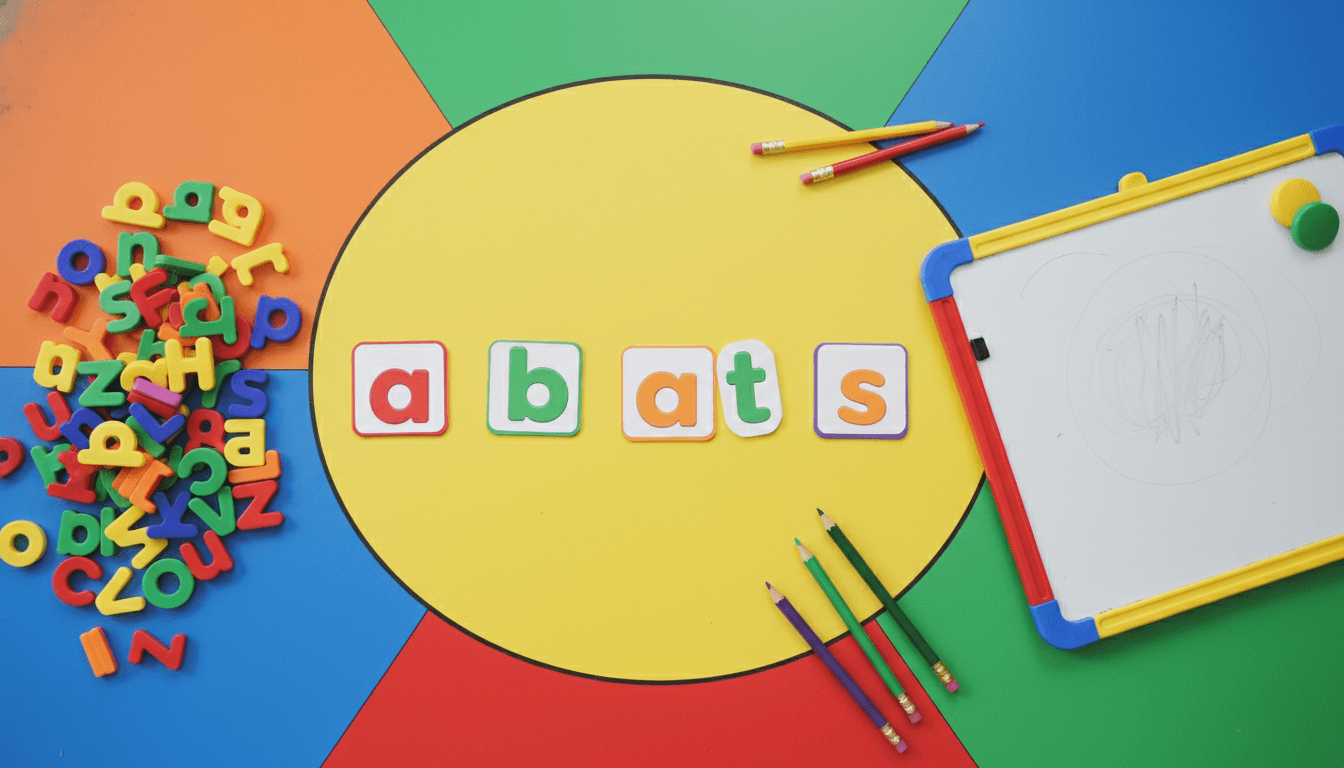
Every week or two, your phonics scope and sequence introduces a new pattern. Short a, short i, consonant blends like st and sp, digraphs like sh and ch. Name the pattern and give three example words. "This week we are working on short a. Words like cat, mat, and sad use it. The vowel sound is /a/, the same sound at the start of apple." Three words, one comparison. Done.
Show parents how to coach blending
Blending is where most kindergarten home reading falls apart. Teach the move once and refer back to it. "When your child gets stuck, point under each letter and have them say the sound, then run your finger across and have them blend. Cat becomes /c/-/a/-/t/, then cat. Slow first, then smooth. Do not give them the word. Give them the sounds." That single paragraph teaches more about phonics support than any video link.
Tell parents about the decodable book coming home
Name the book. Tell parents which pattern it focuses on. Tell them what to do when their child gets stuck. "The decodable reader coming home this week is Sam at Bat. It uses short a words and the patterns we have already taught. If your child gets stuck, point under each letter and blend with them. If a word is an exception word like the or said, just read it for them and keep going."
Address exception words once and for all
Devote a paragraph early in the year to exception words. Parents will try to sound out every word in the decodable reader, hit a word like was, and lose confidence in either the book or their child. "Some words do not follow the patterns we teach. We call them exception words. Your child memorizes them by sight. The, was, said, have, of are common examples. If you hit one, just read it for your child the first time." Now they know.
Sample kindergarten phonics newsletter
"Hello families. This week we are working on short i. Words like sit, big, and pin use it. The vowel sound is /i/, the same sound at the start of igloo.
Decodable reader coming home Friday: Tim and the Pig. It uses short i and the patterns we have already learned. Read it together two or three times across the week. Five minutes a night is plenty.
Coaching tip: when your child gets stuck, point under each letter and have them say the sound, then blend. /t/-/i/-/m/, Tim. Slow first, then smooth.
Heads up: assessment week is coming. I will send a one-page guide next week explaining what we test and what the scores mean."
Keep it under 350 words
Kindergarten parents read newsletters on a phone in a parking lot. Three short sections beat one long one. Bold the headers. Use one example per concept. Cut everything that is not directly useful for the next seven days at home.
Same four sections every cycle
Pattern of the week. Decodable book and what to do with it. One coaching tip. What is coming up. Same order every time. Parents learn the rhythm and start reading on autopilot. The consistency is what builds the open rate over the year.
How Daystage helps with phonics newsletters for kindergarten parents
Daystage was built for kindergarten teachers running tight, recurring family communication across a long year. Save the four-section structure once. Drop in the week's pattern, decodable book, and coaching tip. Send to every family on your list in one click. No portals, no PDFs, no apps for parents to download. The newsletter lands in the inbox formatted, mobile-friendly, and short enough to read in 90 seconds.
Get one newsletter idea every week.
Free. For teachers. No spam.
Frequently asked questions
What phonics terms do kindergarten parents actually need to know?
Three: letter sound, blending, and decodable book. Letter sound is the noise a letter makes, not its name. Blending is putting sounds together to read a word. A decodable book uses only the patterns the child has been taught. Parents who hold those three terms can support phonics homework without a teacher's manual. Anything beyond those three is jargon they will not retain.
Should you ask kindergarten parents to practice phonics every night?
Five minutes, three or four nights a week, is the right ask. Nightly is unrealistic for most families and creates guilt that backfires. Three or four short sessions a week, with the decodable book the child brought home, beats a daily expectation that gets abandoned by November.
How do you explain the sound a letter makes versus the letter name?
Show it. 'The letter M is named em, but the sound it makes is /m/, like at the start of mom. When your child reads, we want them using the sound, not the name. If they look at the word mat and say em-a-tee, they will not get to mat. If they say /m/-/a/-/t/, they will.' That paragraph alone solves the most common kindergarten home reading problem.
What about exception words like the and was?
Address them directly. 'Some words do not follow the patterns we teach. The, was, said, and have are examples. We call them exception words. Your child memorizes these by sight while we keep building the pattern words. If the decodable reader has an exception word, just read it for your child the first time.' That instruction prevents parents from drilling sounds on a word that does not work that way.
What is the easiest way to send a kindergarten phonics newsletter so parents read it?
Short, formatted, sent to the inbox, on a consistent schedule. Daystage was built for kindergarten teachers running this kind of recurring family communication. Save the structure once, swap the week's pattern and decodable book, send to every family in one click. No app, no portal, no PDF that breaks on a phone. The newsletter arrives in the family inbox in under a minute of work.

Adi Ackerman
Author
Adi Ackerman is a former classroom teacher and curriculum writer with 8 years in K-8 schools. She writes about school communication, parent engagement, and what actually works in real classrooms.
More for Reading Newsletter
Ready to send your first newsletter?
3 newsletters free. No credit card. First one ready in under 5 minutes.
Get started free