
What to Write in Your Principal Newsletter During Testing Season

Spring testing season is one of the most communication-intensive periods of the school year. Families have questions. Students feel the pressure. Teachers are focused. And principals need to keep the school community informed without adding to the anxiety that testing season already creates.
A well-timed newsletter before, during, and after testing season is one of the most effective ways to manage that pressure. Here is what to cover and when.
The pre-testing newsletter: send it three weeks out
Three weeks before testing begins, send a dedicated newsletter section or standalone newsletter that covers:
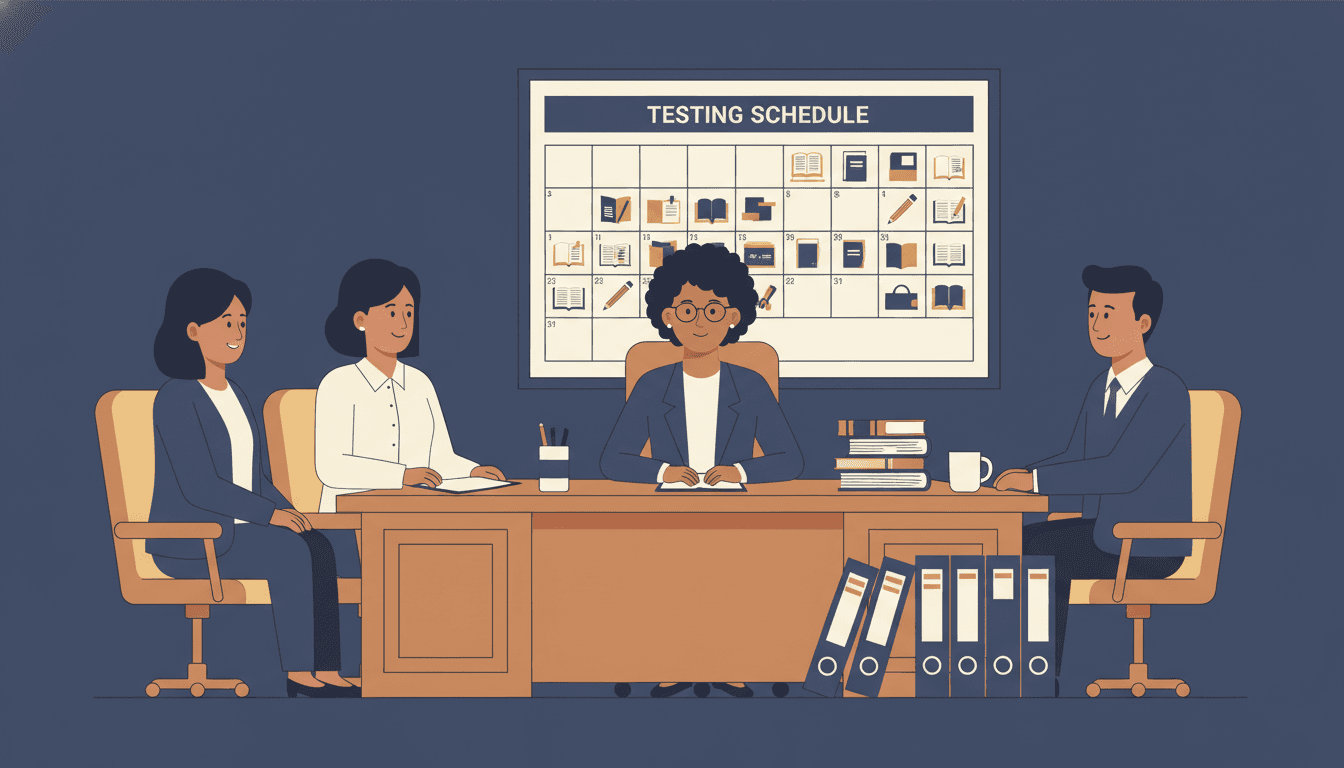
- The testing schedule. Which grades test, which subjects, and on which dates. Many families do not track the testing calendar closely. Giving them a clear schedule reduces day-of surprises and lets them plan ahead.
- What is being tested and why it matters. One paragraph explaining the purpose of the assessment. This does not need to be a policy defense. A simple explanation: "The state assessment measures grade-level skills in reading and math. Results help our school identify where students need additional support and where they are excelling."
- What families can do to prepare. Emphasize the basics: regular sleep schedule, a good breakfast, arriving on time. Avoid homework drills or test prep recommendations that increase stress. The research on last-minute prep is not strong.
- What to do if a student is sick on a testing day. Many families do not know the options. A brief note on your policy and who to contact removes uncertainty.
- How results will be shared. When families will receive individual results and what they will include. Setting this expectation prevents a flood of calls asking why results have not arrived yet.
During testing: short, calm updates
During the testing window, a brief mid-testing check-in in your regular newsletter does two things: it confirms things are going smoothly (if they are), and it keeps families engaged without adding pressure.
What to include during testing:
- A positive observation from the testing sessions so far. "Students have been focused and calm. Our proctors report that students are taking their time and working through the material carefully."
- A reminder of remaining test dates and which grades are still testing
- A practical note: "If your child mentions feeling nervous about the remaining tests, a simple conversation about effort rather than results can help. Remind them that their job is to try their best, and that is exactly what we are seeing."
After testing: celebrate and contextualize
The post-testing newsletter is often skipped. It should not be. Families want to know that the testing window is over and that the school has processed it thoughtfully.
What to include after testing:
- A sincere thank-you to students, families, and teachers for the effort the testing window required
- When results will be available and how they will be communicated
- A brief note on what happens now: "Our teachers will spend the next two weeks reviewing data to understand where students performed well and where we can provide more support over the remainder of the year."
- A transition back to normal school life: "We are glad to have the testing window behind us. The last eight weeks of school include some of our most engaging projects and field experiences of the year."
What not to write during testing season
A few approaches that consistently backfire:
- Overpromising on results. "I am confident our students will perform exceptionally" puts undue pressure on students and sets an expectation you cannot control.
- Making families feel their child's effort reflects on the school's reputation. Testing communication should center the child's experience, not the school's accountability metrics.
- Lengthy explanations of why the tests matter. Families generally accept that testing is part of school. A one-sentence acknowledgment is enough. A four-paragraph defense reads as anxiety-driven.
- Sending testing communication as an attachment. Families need to read it. Inline email newsletters have significantly higher read rates than attachment-based communication. During testing season, the information matters enough to send it in a format that people will actually open.
Daystage sends newsletters as inline HTML emails, so your testing season communication arrives formatted in parents' inboxes. No link to click, no PDF to download. The information is right there when they open their email. For time-sensitive communication like test schedules, that delivery method matters.
Get one newsletter idea every week.
Free. For teachers. No spam.
Frequently asked questions
When should a principal send testing season newsletters?
Send a pre-testing newsletter three weeks before testing begins, a brief mid-testing check-in during the testing window, and a post-testing follow-up once the window closes. Three touchpoints cover the full arc. The pre-testing newsletter is the most important: families who receive clear information three weeks out can prepare without the anxiety that comes from finding out logistics the day before.
What should a principal include in a pre-testing newsletter?
Cover five items: the full testing schedule by grade and subject, a one-paragraph explanation of what is being tested and why, practical preparation guidance focused on sleep, breakfast, and attendance rather than last-minute drill work, what happens if a student is sick on a testing day, and when and how families will receive individual results. Setting that last expectation prevents a flood of calls once testing ends.
How should a principal communicate with families during the testing window?
Keep mid-testing communication brief and calm. Share a positive observation from the sessions so far, remind families of remaining test dates, and offer a practical note about how to support a nervous child at home. One to three sentences per item is enough. The goal is to keep families engaged without adding pressure to students who are already doing the hardest academic work of the year.
What mistakes should principals avoid in testing season communication?
Avoid overpromising on results, which puts pressure on students and sets expectations you cannot control. Avoid lengthy defenses of why the tests matter. Avoid making families feel their child's performance reflects on the school's reputation rather than on the child's learning. And never send testing communication as a PDF attachment, which reduces read rates exactly when the information matters most.
What tool helps principals send testing season newsletters that families actually read?
Daystage sends newsletters as inline HTML emails so your testing season communication arrives formatted in parents' inboxes. No link to click, no PDF to download. The information is right there when they open their email. For time-sensitive content like test schedules, that delivery format directly affects how many families actually read what you send before the testing window opens.

Adi Ackerman
Author
Adi Ackerman is a former classroom teacher and curriculum writer with 8 years in K-8 schools. She writes about school communication, parent engagement, and what actually works in real classrooms.
More for Principals
Ready to send your first newsletter?
3 newsletters free. No credit card. First one ready in under 5 minutes.
Get started free