

How to Write a Newsletter Communicating Student Rights to Families
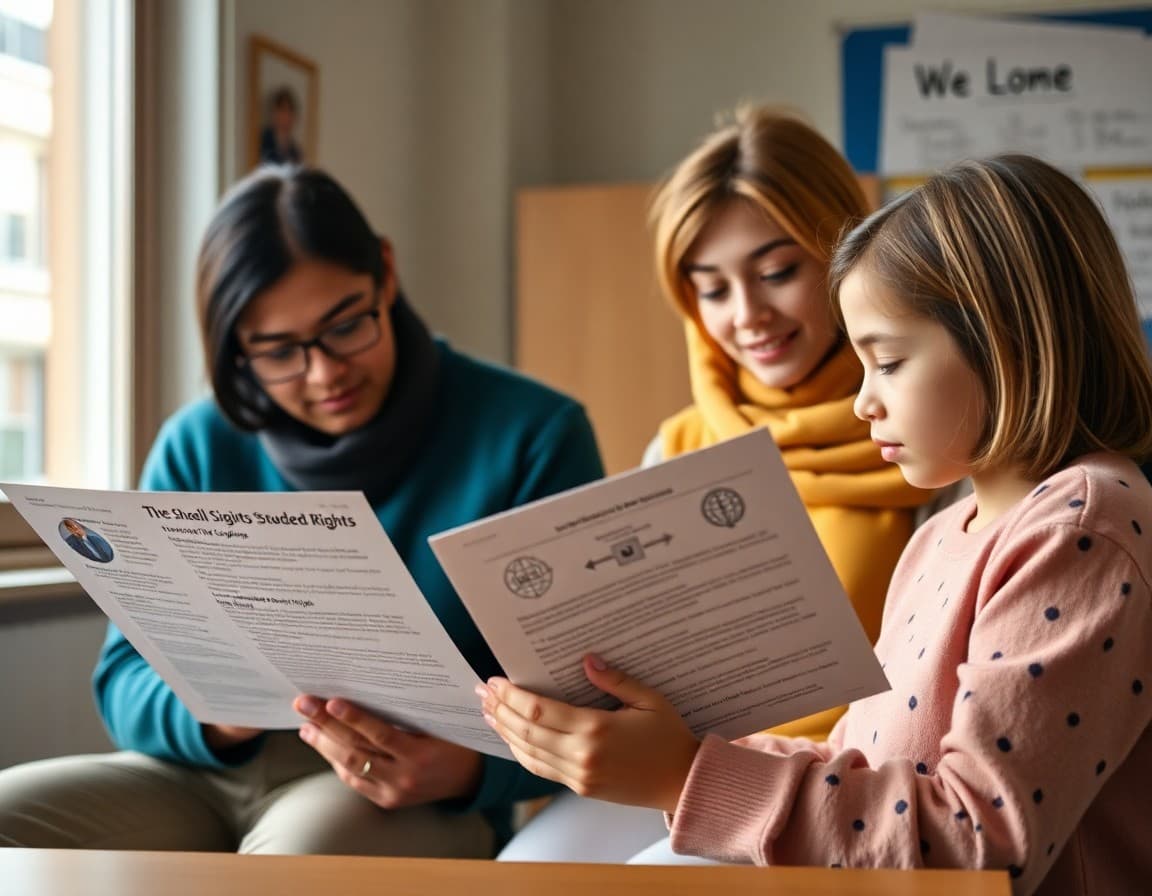
Most families do not know what rights their students have at school. They know they can call the office and request a meeting. They do not know they can request their child's cumulative file, attend discipline hearings, or appeal placement decisions. A newsletter that closes that gap is not a risk. It is leadership.
Decide What to Cover and Why
You cannot cover every legal provision in a newsletter. Start by asking: what questions do families come to you with most often? What situations from last year led to conflicts that could have been avoided if families had known the process? Those are your topics.
The most useful newsletters focus on three to five specific rights rather than trying to summarize the entire student handbook. Give families clarity on the rights they are most likely to need.
Use Plain Language
The gap between legal language and family communication is enormous. "Due process protections under IDEA" means nothing to most parents. "Your child has the right to participate in every meeting where their IEP is discussed, and you have the right to bring someone with you" means something immediate and useful.
If a right has a technical name, give the plain description first and add the technical term in parentheses if it helps families recognize it in official documents.
Explain the Process, Not Just the Right
Knowing you have the right to appeal a suspension means little if you do not know how to do it. For each right you cover, add a brief description of the practical step: who to contact, what form to complete, how many days families have to act, and what to expect next. Process information is where the newsletter becomes genuinely useful rather than informational.
Frame It as Partnership
The tone of this newsletter matters as much as the content. You are not writing a defensive document. You are inviting families into full participation in their child's education. Language like "here is how families can be involved in every decision that affects your student" sets a very different tone from a list of grievance procedures.
Families who feel invited participate more constructively. Families who feel they are learning to fight you participate adversarially.
Address Special Education Rights Separately
Parent rights under IDEA and Section 504 are detailed enough to deserve their own communication. In this newsletter, briefly acknowledge that families of students with IEPs and 504 plans have specific procedural rights and direct them to your special education coordinator for that information. Do not try to cover both in one message.
Give Families a Clear Next Step
End with a specific action: "If you have questions about any of these rights, contact [name] at [email]. If you would like a copy of the district's parent and student rights handbook, reply to this message and we will send one." Families who receive information with a clear path forward are more likely to use it than families who receive information and have to figure out the next step themselves.
Revisit It Annually
Rights communication is not a one-time task. Families turn over. Laws change. New situations come up that your previous newsletter did not anticipate. Build a rights update into your annual communication calendar. Daystage makes it easy to pull up last year's newsletter, update the relevant sections, and send the refresh without rebuilding from scratch.
Get one newsletter idea every week.
Free. For teachers. No spam.
Frequently asked questions
Why would a principal proactively send a newsletter about student rights?
Because families who understand the system are better partners than families who feel blindsided by it. When parents know the appeal process, the grievance pathway, and the documentation they can request, disagreements resolve faster and with less conflict. Proactive communication is not a risk. Silence is.
How do I explain student rights without making it sound adversarial?
Frame it as partnership information rather than a list of what families can do against the school. You are sharing how the system works so everyone can navigate it together. Tone matters: 'Here is how families can participate in every decision that affects their student' reads very differently from a list of grievance procedures.
What specific rights should the newsletter cover?
The rights that come up most often in your school. Common ones include the right to access student records, the right to participate in IEP meetings, the right to appeal a disciplinary decision, the right to opt out of certain assessments, and the right to request services. Focus on what is relevant to your community rather than exhaustive legal coverage.
How do I communicate rights related to special education without confusion?
Separate special education rights from general student rights and give families a specific contact for SPED-related questions. Parent rights under IDEA are detailed and require their own communication. A brief mention in the general newsletter with a referral to the special education coordinator is usually the right approach.
What tool helps principals send newsletters efficiently?
Daystage makes it easy to structure a newsletter with clear sections and direct links to supporting documents. You can send the full newsletter to all families with one click, and follow up with specific groups who may need additional information.

Adi Ackerman
Author
Adi Ackerman is a former classroom teacher and curriculum writer with 8 years in K-8 schools. She writes about school communication, parent engagement, and what actually works in real classrooms.
More for Principals
Ready to send your first newsletter?
3 newsletters free. No credit card. First one ready in under 5 minutes.
Get started free