

Principal Newsletter: Addressing Student Mental Wellness with Families
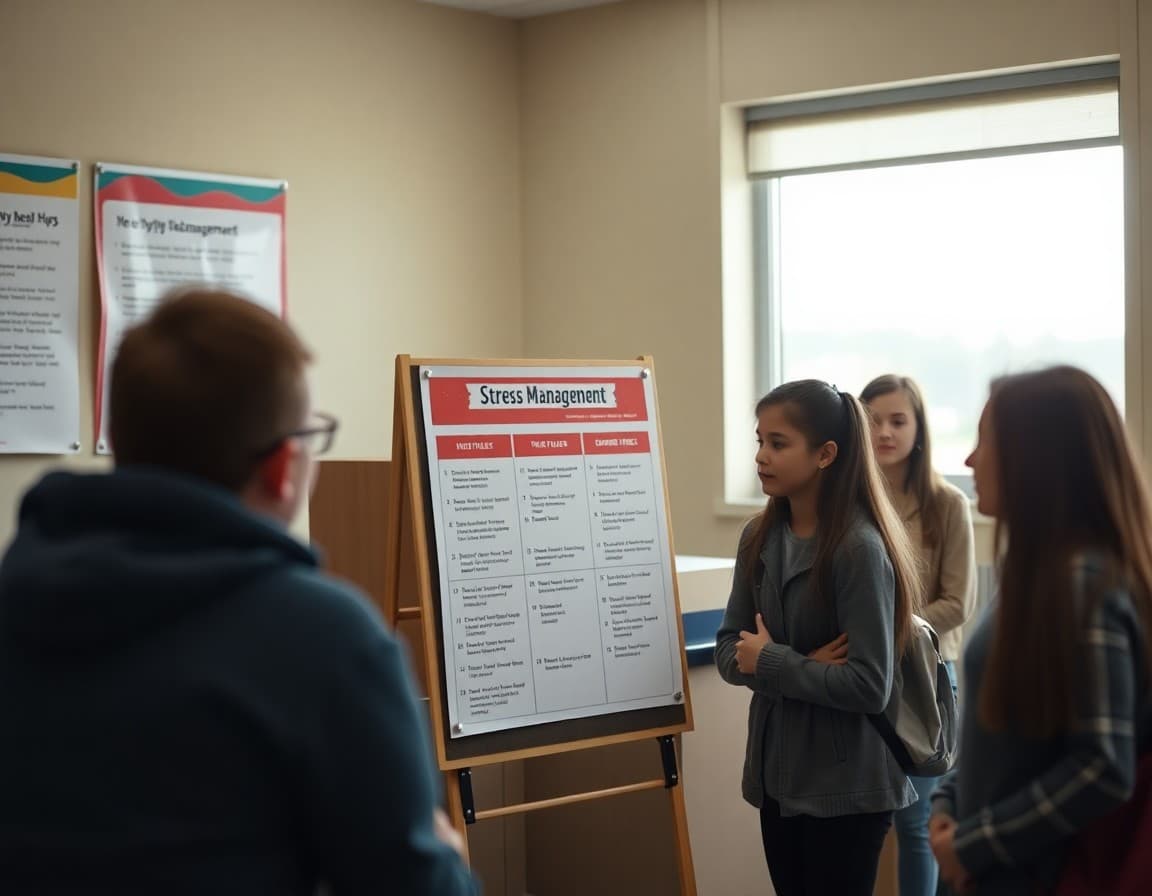
Student mental wellness newsletters are the ones principals sometimes delay because the topic feels sensitive. They are also the ones that parents most need to receive before the situation in their household reaches crisis level. Send them proactively.
What You Are Seeing and Why It Matters
Start by naming the reality of your school's current student wellness landscape without being alarmist. If counseling caseloads have increased, if teachers are reporting more anxiety-related classroom avoidance, or if the school's wellness center is seeing higher traffic, those are real data points worth sharing. Families who know the school is watching for these trends feel more secure than families who sense that the school is managing a perception rather than sharing a reality.
The Support Systems in Place
Describe every mental health support your school provides. School counselors with their specific specialties. A school psychologist and what they assess. A social worker and what services they connect students to. A wellness center and what happens there. Any community partnerships that provide additional support. How students access each service, either self-referral, teacher referral, or family request. Families who know these systems exist use them earlier. Families who discover them in a crisis felt let down.
Signs to Watch For at Home
Give families specific behavioral changes that warrant attention. Withdrawal from activities they previously enjoyed. Sleep disruptions or significant changes in sleep patterns. Changes in appetite. Increased irritability or emotional reactivity. Declining academic engagement. Expressing feelings of hopelessness, worthlessness, or excessive worry. Avoidance of school or specific social situations. These are observable behaviors, not diagnoses. Families who can name what they are seeing are better positioned to seek help than families who sense something is wrong but cannot describe it.
How to Start the Conversation at Home
Give families language. Something like: I noticed you seem down lately. I am not asking you to fix it. I just want you to know I see it and I am here. Or: school can be really hard sometimes. If there's something making it harder than usual, I want to know. Families who have specific conversation starters are more likely to start the conversation than families who have only a general intention to check in.
Crisis Resources
Include the 988 Suicide and Crisis Lifeline. Include local crisis resources. Include the school counselor's direct contact. These belong in every mental wellness newsletter without exception. You cannot know which family is reading this message with a child in distress in the next room. Providing clear crisis information is not alarmist. It is responsible.
Using Daystage for Mental Wellness Communication
Daystage makes it easy to build a mental wellness newsletter with a resource section, counselor contact cards, family guidance, and a personal message from the principal. A consistent wellness newsletter sent once or twice a semester, not just when there is a crisis, normalizes the topic and makes it feel like a regular part of how the school cares for students.
Get one newsletter idea every week.
Free. For teachers. No spam.
Frequently asked questions
What should a principal newsletter about student mental wellness include?
Describe the current state of student wellness in your school. Name the support services available. Give families specific signs of distress to watch for. Provide crisis resources. Reduce stigma by framing mental health as part of overall health. Include staff contact information for families with concerns.
How do principals write about student mental health without causing alarm?
Be honest about what you are seeing without catastrophizing. If anxiety and social withdrawal are increasing, name it and describe your response. Families who receive accurate information with a clear action plan feel reassured. Families who sense that the school is withholding concerning information feel more anxious, not less.
How do you reduce mental health stigma through a principal newsletter?
Name mental health in the same tone you use for physical health. Describe counseling services the way you would describe the school nurse. Frame seeking help as smart, not weak. Feature positive examples of students using support services if you have permission. Stigma reduction happens through repeated, normalized communication.
What crisis resources should a principal newsletter include?
The 988 Suicide and Crisis Lifeline, local crisis counseling services, school counselor direct contact, and any district mental health hotline. These should appear in every mental wellness newsletter without exception. You do not know which family is reading with a child in crisis.
What tool helps principals send newsletters efficiently?
Daystage makes it easy to build a mental wellness newsletter with resource links, counselor contact cards, family guidance, and a personal message from the principal. You can send it school-wide and track engagement to ensure the information is reaching families.

Adi Ackerman
Author
Adi Ackerman is a former classroom teacher and curriculum writer with 8 years in K-8 schools. She writes about school communication, parent engagement, and what actually works in real classrooms.
More for Principals
Ready to send your first newsletter?
3 newsletters free. No credit card. First one ready in under 5 minutes.
Get started free