
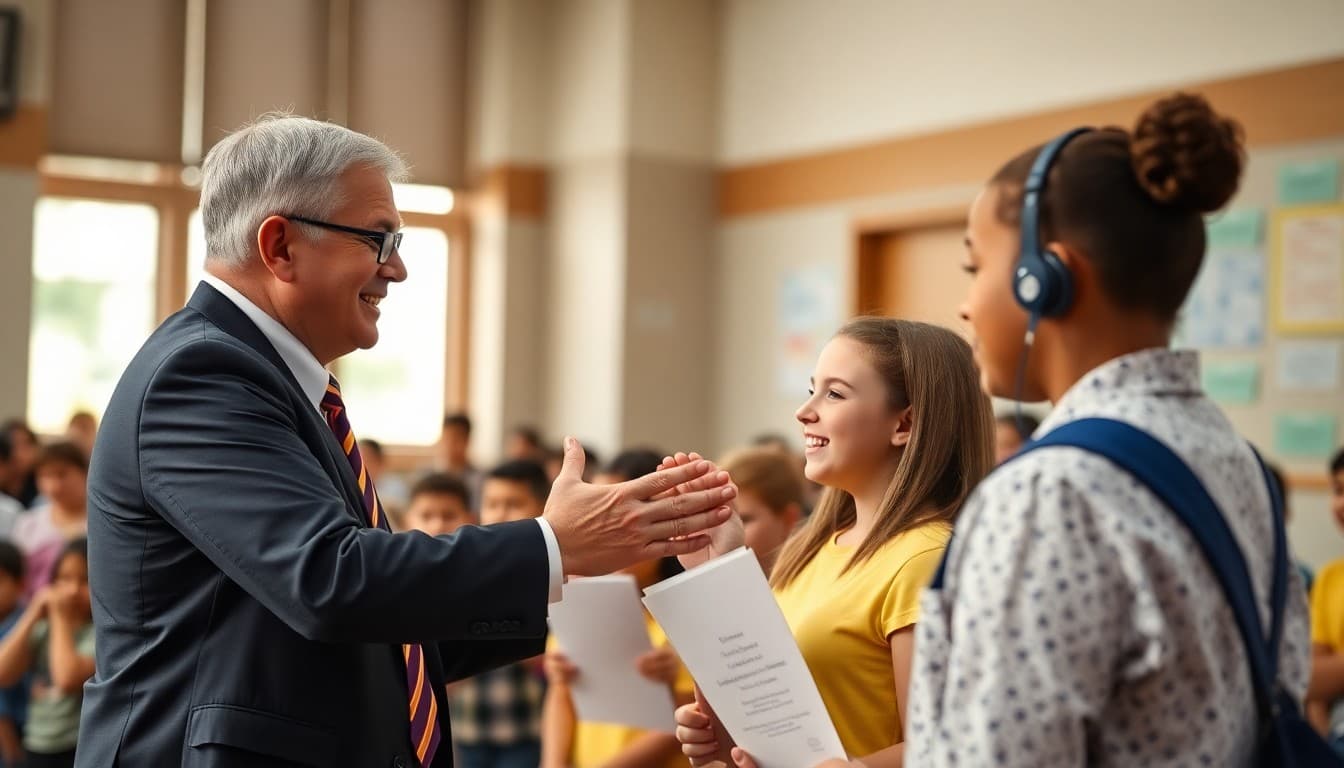
Celebrating Student Achievement in Your Principal Newsletter
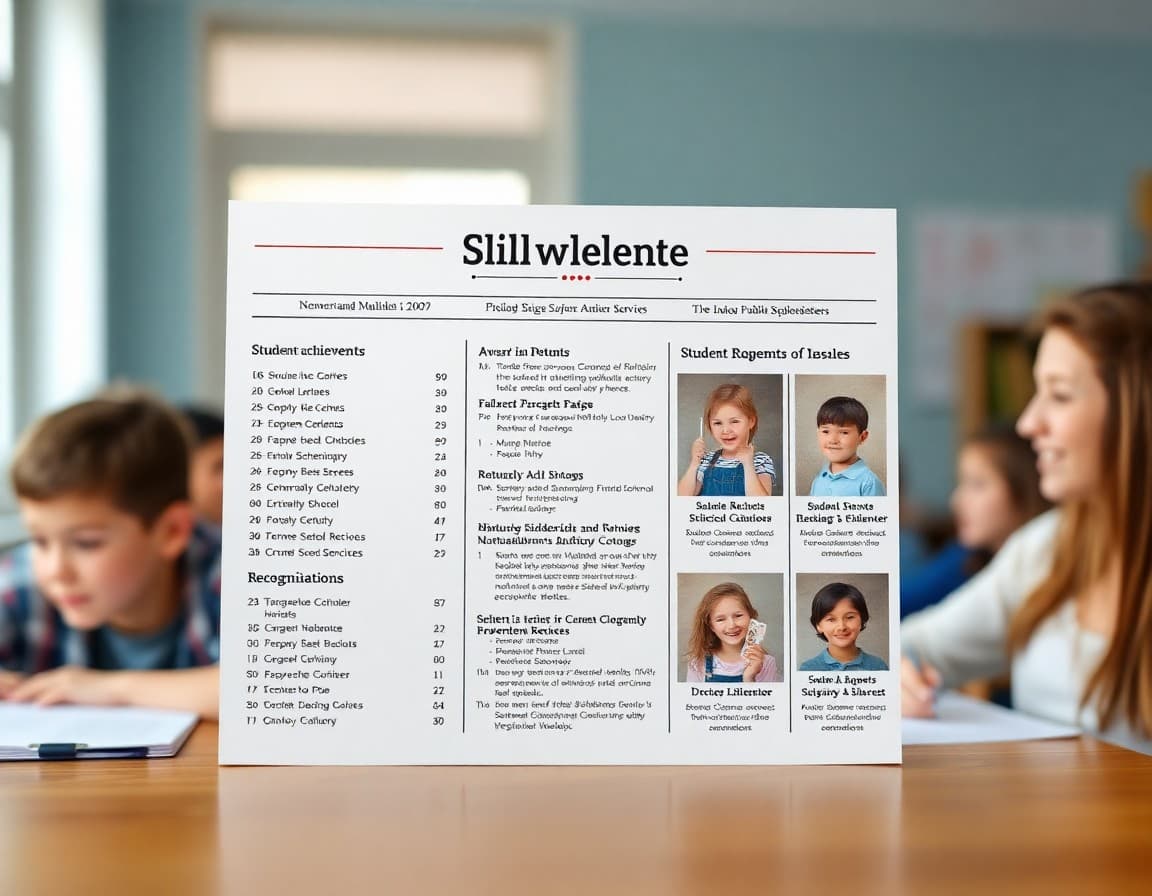
Student achievement recognition in a newsletter is more powerful than most principals realize, and easier to get wrong than it appears. A recognition section that is vague, repetitive, or only celebrates the same type of achievement builds resentment among families of children who are never mentioned. A recognition section that is specific, varied, and genuinely celebratory of the full range of student effort builds the sense that every child has a path to being seen.
Recognize Process, Not Just Outcome
The most common mistake in student recognition is exclusively celebrating results: the student who got the highest score, the team that won the championship, the class that read the most books. Outcome-only recognition sends a message that the school values achievement regardless of effort. Recognition that names the process alongside the outcome, the student who worked for two months on a project, the team that lost four times before winning, sends a different message entirely.
Vary the Type of Achievement Recognized
A recognition section that always features the same kind of student, academic high achievers in core subjects, excludes the 80 percent of students who excel in other ways. A newsletter that rotates through academic achievement, artistic expression, athletic effort, community service, leadership, character growth, and academic improvement recognizes the full range of student contributions to the school. A student recognized for showing up every day for 180 days straight has been seen in a way that a test score recognition would never reach them.
Include Whole-Class and Grade-Level Recognition
Individual student recognition is powerful, but so is collective recognition. A class that hit a reading milestone together, a grade that showed the strongest attendance improvement, or a team that demonstrated exceptional sportsmanship all deserve naming. Collective recognition does not require picking winners from the larger group and builds a shared sense of accomplishment: "Ms. Johnson's 3rd-grade class read 847 books this semester as a class. That is the highest single-class total in our school's history."
Tell the Story Behind the Achievement
The recognition that families remember is the one that tells a story. Not "congratulations to our Math Olympiad team for placing second in the district." But: "Our Math Olympiad team spent six weeks preparing, met before school three days a week, and solved problems they had never seen before in a competition with 34 schools. They placed second. But the moment I am most proud of was watching them cheer for each other after a hard problem. That is the team we built." That paragraph stays with families.
A Template Excerpt for Student Recognition
"This month, we want to recognize three students in particular. Amara, grade 6: Amara has been at school every single day this year, 47 days so far. She also tutors two 4th graders in the after-school program. She does both things quietly and without being asked. Thomas, grade 4: Thomas started the year reading 18 months below grade level. His benchmark last week showed him reading within 3 months of grade level. That is 15 months of growth in 4 months of school. He is not finished, and he knows it. Sixth Grade Art Class: Ms. Park's 6th graders submitted 22 pieces to the district art show. Four were selected for the regional show. All 22 are on display in our library through January."
Ask Teachers to Nominate Students Monthly
A recognition section populated by teachers rather than only by the principal is richer and more representative of what is actually happening in classrooms. A simple monthly email to teachers asking for one student to recognize and a two-sentence description of why creates a reliable pipeline of recognition that reflects the full school rather than only what is visible from the principal's office.
Handle High-Achieving Students with Care
Not every high-achieving student wants to be named publicly. Some students, particularly those who worry about social dynamics, feel uncomfortable with public recognition. A brief check with families or teachers before naming specific students in a newsletter, particularly younger students or those in complex social situations, is a small courtesy that prevents the recognition from becoming uncomfortable.
A student achievement recognition section that is specific, varied, and story-driven is one of the most-read parts of any principal newsletter. Families look for their children, their children's friends, and stories that feel like the school they chose. When they find them, they feel connected to something worth being part of.
Get one newsletter idea every week.
Free. For teachers. No spam.
Frequently asked questions
What is the best way to recognize student achievement in a newsletter?
Be specific about what the student accomplished and why it matters, not just that they did something impressive. 'Marcus scored a perfect score on the district math challenge' is less useful than 'Marcus worked on the district math challenge for three weeks, asked his teacher for help twice, and earned a perfect score on his third attempt. That persistence is what we celebrate.' Process recognition is more motivating than outcome recognition alone.
Should I ask families for permission before naming a student in the newsletter?
For general academic recognition, many schools include a media consent form in annual registration materials that covers newsletter mentions. For students who are minors, check your district policy. When in doubt, ask the family directly. Most families are delighted to have their child recognized; the few who are not deserve the courtesy of being asked.
How do I recognize student achievement without making other students feel excluded?
Vary the type of achievement you recognize. Rotate between academic, social, artistic, athletic, and character-based recognition. Name students who improved, not just those who excel. Recognize whole classes and grade levels, not only individual standouts. A recognition section that celebrates growth and effort alongside top performance includes more students in the celebration.
How often should a principal newsletter include student recognition?
Every issue should include at least one specific student recognition. Monthly recognition sections are common and effective. The key is specificity over volume: five detailed recognitions that tell a real story are more valuable than a long list of names. Families who read a list of names look for their child and move on. Families who read a story about a student remember it.
What newsletter platform makes student recognition sections easy to produce?
Daystage is used by many principals for this purpose because you can include student recognition sections with photos, callout boxes, and formatted text in a clean layout. For a section that families read carefully, the visual design matters. A recognition section that is clearly featured and well-designed signals that student achievement is genuinely valued by the school.

Adi Ackerman
Author
Adi Ackerman is a former classroom teacher and curriculum writer with 8 years in K-8 schools. She writes about school communication, parent engagement, and what actually works in real classrooms.
More for Principals
Celebrating Student and Staff Recognition Programs in the Principal Newsletter
Principals · 5 min read
How Principals Can Share Academic Results and Data With Families Through the Newsletter
Principals · 8 min read
How Principals Can Use the Newsletter to Celebrate Teacher Appreciation Week
Principals · 7 min read
Ready to send your first newsletter?
3 newsletters free. No credit card. First one ready in under 5 minutes.
Get started free