
Principal Newsletter: Senior Capstone Project Communication and Celebration
Senior capstones are one of the most meaningful academic experiences a high school can offer. They require sustained independent work, community connection, and public presentation. Families who understand what is involved from the start are the best support system students have across a year-long process.
The launch newsletter: everything families need in September
Your September capstone newsletter should cover the full-year timeline, the evaluation criteria, the mentor requirement and how to find one, the presentation format, and what the written component involves. Families who receive this information in September can plan their support rather than scrambling in April.
The mentor connection
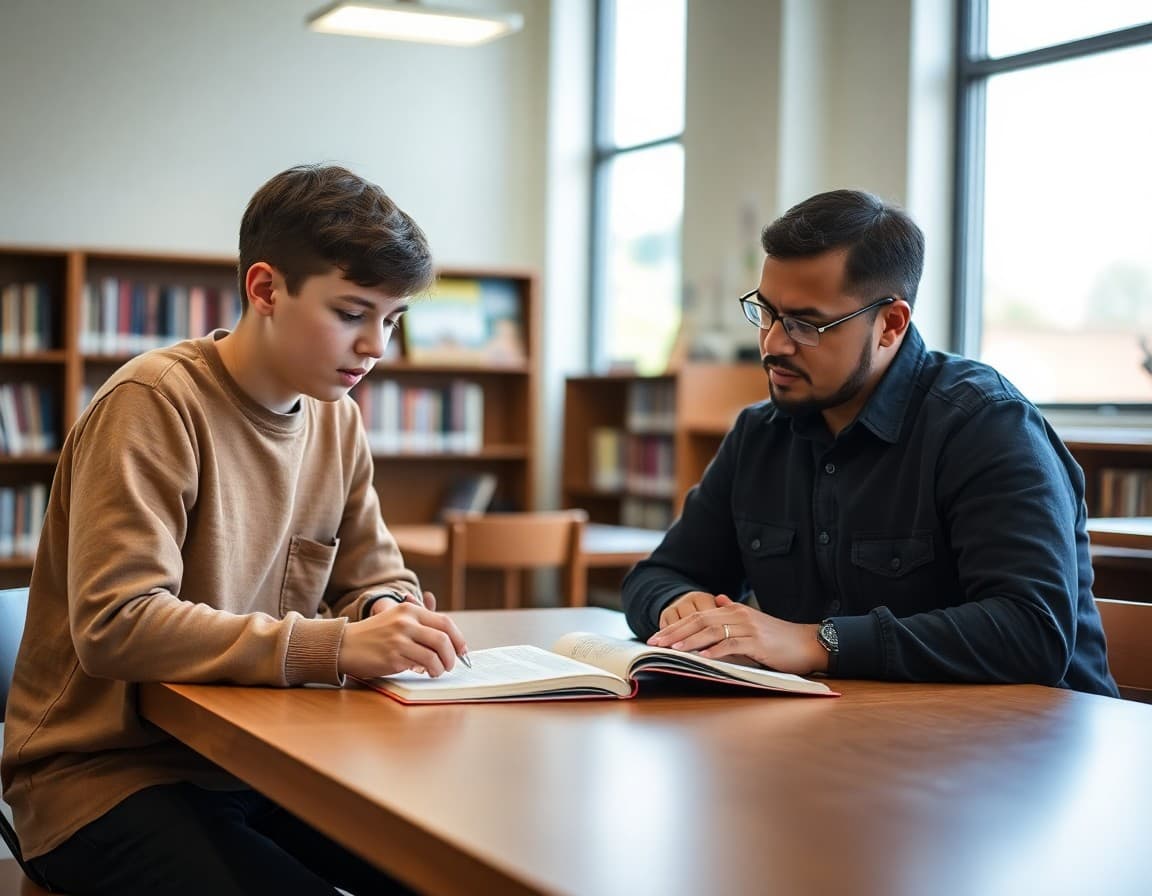
Many students struggle to identify a community mentor. Your newsletter is your most powerful recruitment tool: we need mentors in these subject areas, the commitment is two to four meetings over the school year, here is how to sign up. A parent network newsletter recruitment often produces more mentors than any formal community outreach program.
Midyear check-in newsletter
In January or February, send a capstone progress newsletter. How many students have completed their proposal. Where the class is in the process. What families should ask their student about. A midyear newsletter keeps the capstone visible and prevents the April crunch when some students discover they are far behind.
Public presentation communication
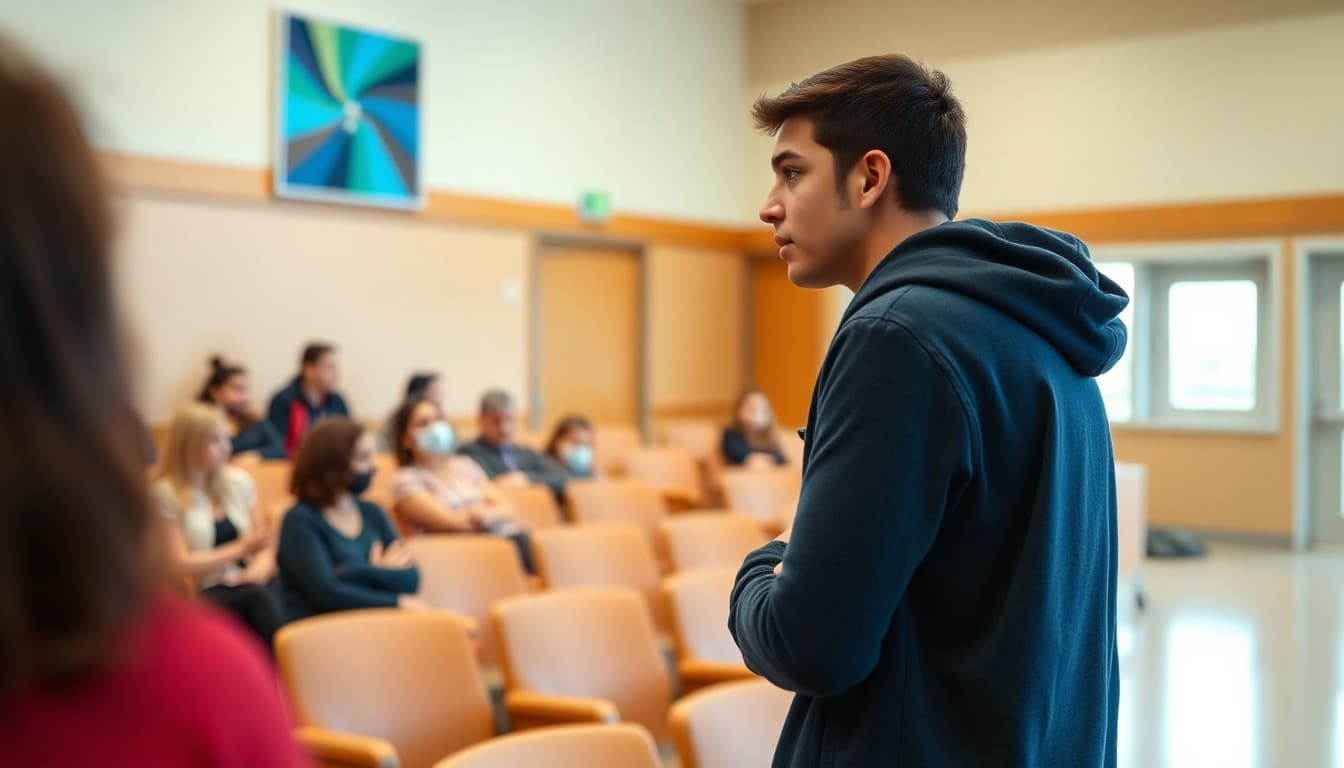
The capstone presentation is a public event that families should attend. Your newsletter three weeks before should cover the presentation schedule, how to sign up for a specific student's time slot if your format requires it, and what the judging panel is looking for. Families who come prepared to the presentation get more out of watching it.
Post-presentation celebration
Name every student's project in the post-presentation newsletter. Include the topic, the mentor, and a sentence about what the student created or concluded. This recognition is meaningful to every family in the senior class.
What the capstone teaches
Your newsletter should periodically remind families of the skills developed through the capstone: sustained independent research, professional communication with a mentor, public speaking, and the ability to see a complex project through from start to finish. These are workforce skills that most classroom assignments cannot replicate.
Get one newsletter idea every week.
Free. For teachers. No spam.
Frequently asked questions
What should a principal include in the senior capstone announcement newsletter?
The timeline from topic selection to final presentation, the mentorship requirements, the presentation format and audience, how projects are evaluated, and what role families can play in supporting their student. Families who understand the full arc of the capstone are better positioned to support the work over months, not weeks.
How do you communicate capstone requirements to students and families simultaneously?
A joint newsletter that addresses both audiences works well. The sections can be labeled: for students, for families. Students need to know what is required of them. Families need to know what to expect and how to support without doing the work for their student.
What is the typical timeline for a senior capstone and how should a principal communicate it?
September: topic selection and mentor identification. November: proposal approval. February: mentor meeting midpoint check. April: written component due. May: public presentations. A published timeline in the September newsletter gives students and families the full-year picture from the start.
How do principals find and communicate about community mentors for capstone projects?
Recruit mentors through the parent network and community organizations. Your newsletter is the best recruitment tool you have. A specific ask, naming the time commitment and subject areas needed, generates far more responses than a general call for volunteers.
How can principals celebrate senior capstone presentations in the newsletter?
Daystage makes it easy to include student photos and project summaries in the post-presentation newsletter. Naming each student's project topic in a celebration newsletter is a significant moment for seniors and their families. It is also the most concrete evidence a school can show of real senior-year learning.

Adi Ackerman
Author
Adi Ackerman is a former classroom teacher and curriculum writer with 8 years in K-8 schools. She writes about school communication, parent engagement, and what actually works in real classrooms.
More for Principals
Ready to send your first newsletter?
3 newsletters free. No credit card. First one ready in under 5 minutes.
Get started free