

Announcing a School-Wide Read-Aloud Program in Your Principal Newsletter
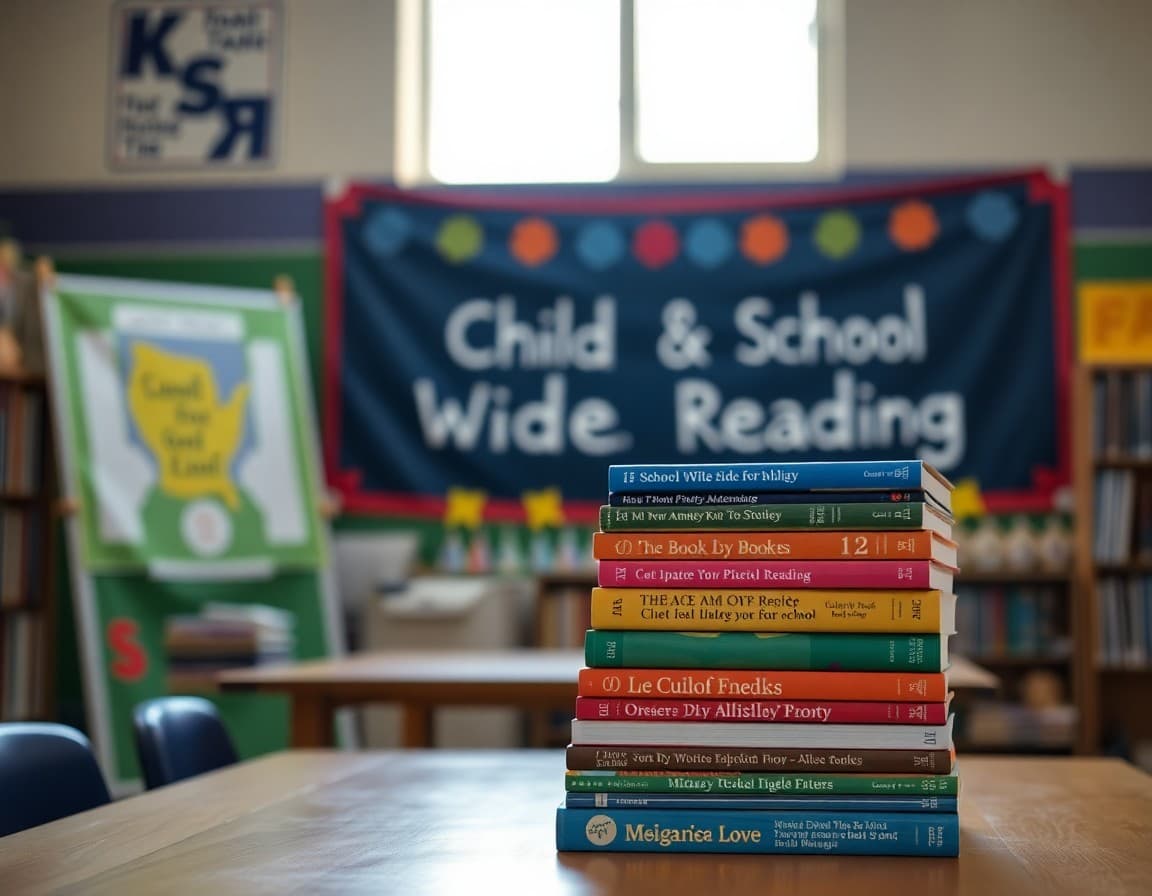
A school-wide read-aloud program is one of the highest-impact literacy investments a school can make, and one of the easiest to under-explain to families. When the newsletter describes what the program is, why it works, and how families can participate at home, it doubles the reach of the program without any additional school resources.
Explain what school-wide read-aloud means in practice
Many families will assume a school-wide read-aloud means all classes reading the same book simultaneously. Clarify what your specific program looks like: are all classrooms reading the same text in a given week? Are grade levels choosing books independently? Is there a shared author or theme? Is the principal reading aloud over the intercom or visiting classrooms?
The more specifically you describe the program, the more concretely families can engage with it and support it at home.
Share the research in plain terms
Families who understand why a practice works are more likely to support and reinforce it. Three facts worth including:
- Students who are read to aloud regularly develop larger vocabularies than students who only read independently, because they encounter words in context that they would not yet choose to read on their own
- Read-alouds build listening comprehension, which is a separate and trainable skill from reading comprehension
- Being read to creates a reading identity: students who associate books with pleasure and shared experience are more likely to become independent readers
Tell families what books are being read
Name the current read-aloud for each grade band. A sentence per grade level is enough. Families with this information can have real conversations with their children about the book: asking about characters, predicting what comes next, or sharing their own connection to the subject matter.
Give families a home practice entry point
The newsletter should give every family one thing they can do at home, regardless of their own reading fluency or English proficiency. Suggest that families in multilingual homes read aloud in their home language: the benefits are identical to English read-alouds and reinforce literacy skills that transfer across languages.
For families who are uncertain about their own reading ability, suggest audiobooks or recorded stories. The input matters more than the source.
Invite families into the program directly
If your school runs a guest reader program, announce it in the newsletter with a clear invitation and sign-up link. Hearing a parent, grandparent, or community member read aloud is a powerful experience for students, and families who participate in this way feel genuinely connected to the school.
Share a moment from the program
The most effective read-aloud newsletter update includes one brief description of a real classroom moment: the question a student asked, the prediction a class made, the connection a teacher drew between the book and current events. These moments make the program real to families who did not witness it. Daystage makes it easy to publish this kind of vivid, short update alongside book lists and program details in a consistent newsletter format.
Get one newsletter idea every week.
Free. For teachers. No spam.
Frequently asked questions
What should I tell families about why school-wide read-alouds matter?
Tie it to outcomes families care about: vocabulary growth, reading comprehension, and the development of a reading identity. Research consistently shows that being read to aloud, even for students who can read independently, builds vocabulary and comprehension faster than silent reading alone. Families who understand why the school is investing in this are more likely to reinforce it at home.
How do I encourage families to read aloud at home in the newsletter?
Give them a concrete starting point rather than a general encouragement. 'Ten minutes of read-aloud at bedtime, even for older students, builds the same vocabulary and comprehension benefits as classroom instruction.' Then list two or three books appropriate for each grade band. Families with a specific book to try will act. Families with general encouragement will not.
Should I share the specific books being read in class in the newsletter?
Yes. Families who know the current read-aloud can ask their child about it by name. 'How is the book going?' is a weaker prompt than 'What happened to the main character today?' Naming the books connects the family to the actual classroom experience.
How do I handle families who question the value of read-alouds for older students?
Address the question directly in the newsletter: read-alouds for middle and high school students build the same cognitive benefits as for younger students, and exposure to complex texts through read-aloud extends student comprehension beyond what they can access independently. The research is clear and the framing for older students is about accessing complexity, not about early literacy.
What tool helps principals send newsletters efficiently?
Daystage makes it easy to include a book list, class update, and home-practice guide in a formatted newsletter section that families can reference throughout the read-aloud unit.

Adi Ackerman
Author
Adi Ackerman is a former classroom teacher and curriculum writer with 8 years in K-8 schools. She writes about school communication, parent engagement, and what actually works in real classrooms.
More for Principals
Ready to send your first newsletter?
3 newsletters free. No credit card. First one ready in under 5 minutes.
Get started free