

Principal Newsletter: Sharing Reading Fluency Data with Your Community
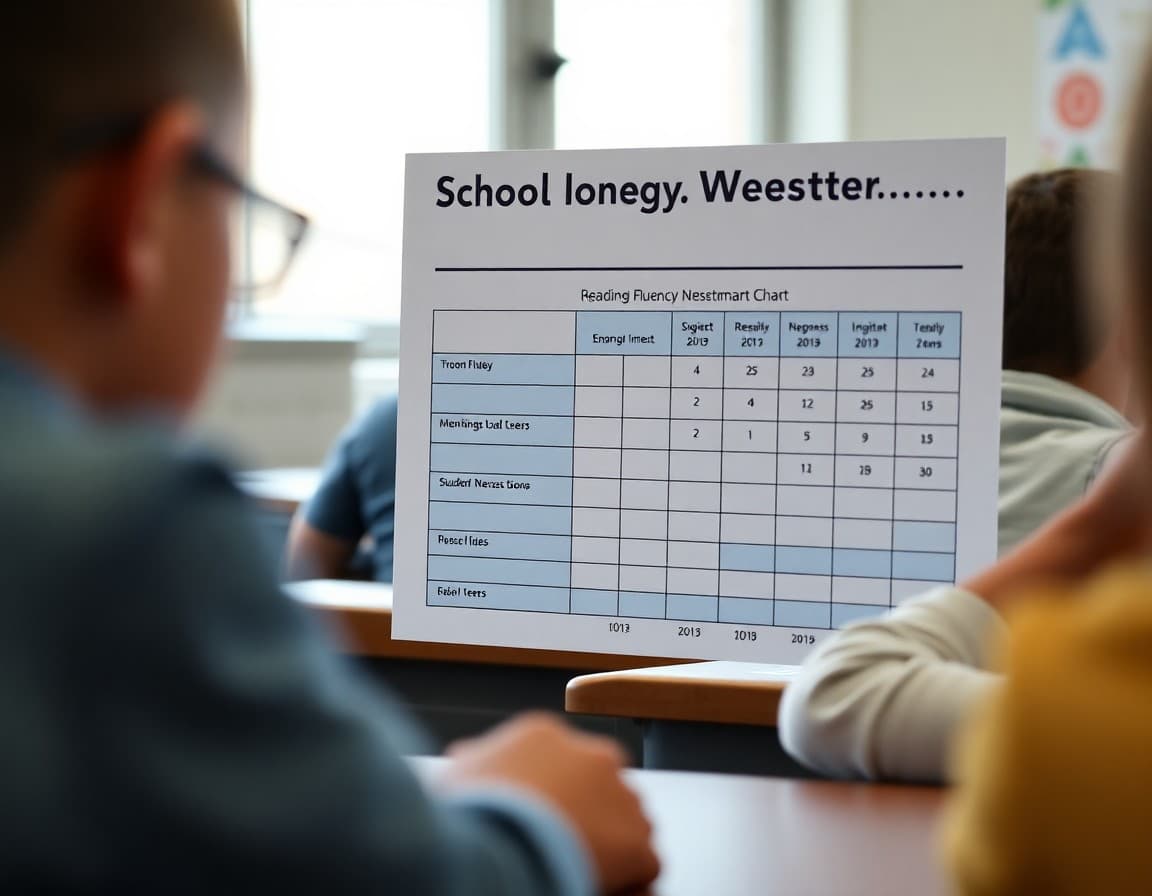
Reading fluency data is some of the most actionable information a school can share with families. When it is communicated clearly, it drives home engagement. When it is buried in jargon or withheld entirely, it creates the kind of surprise at parent conferences that destroys trust.
What Reading Fluency Measures and Why It Matters
Start with a plain-language explanation of what fluency means. Reading fluency is the ability to read accurately and automatically enough to focus on comprehension rather than decoding. A student who reads 60 words per minute in third grade is likely spending so much cognitive effort on decoding that little is left for understanding. That is the practical relevance of the number. Families who understand this connection treat fluency data as meaningful rather than as an arbitrary metric.
Your School's Current Data
Share the school-wide picture. What percentage of students are at benchmark? What does that look like compared to last year or last semester? If there is a grade level that showed significant growth, name it. If there is a group that is showing a persistent gap, name that too. Families can handle accurate information. What they cannot handle is discovering at a conference that the school knew about a problem for six months and said nothing.
What the Data Means for Instruction
Describe what the school is doing in response to the data. Small group reading intervention, changed core reading instruction, new decodable text resources, or additional reading specialist support are all examples. Tell families how long these interventions have been running, what population they serve, and how the school will know if they are working. Action planning connected to data is what separates a school that takes reading seriously from one that collects data and files it.
What Families Can Do at Home
Give specific guidance. Not read more with your child. Something like: ask your child to read aloud for ten minutes each evening. Time them on one passage to track their own progress. Ask them to tell you what happened in the passage in two or three sentences. These specific strategies give families with no literacy training a concrete role in their child's development.
Connecting Fluency to Later Academic Success
Students who are not fluent readers by third grade face significantly higher academic risk in later grades. You do not need to be alarmist about this. You do need to be honest. When families understand the long-term implications of fluency development, they take early intervention opportunities more seriously. A parent who knows that third-grade fluency matters for eighth-grade science reading makes different choices than one who sees fluency as only an early childhood concern.
Using Daystage for Data Communication
Daystage lets you include a data chart or visual summary, a principal message, and specific home support resources in one organized newsletter. You can link to read-aloud resources, track family engagement with the newsletter, and schedule a follow-up that shares the next assessment results once they are available. The consistency of regular data updates builds family confidence in the school's ability to monitor and respond to student progress.
Get one newsletter idea every week.
Free. For teachers. No spam.
Frequently asked questions
What reading fluency data should a principal share in a newsletter?
School-level benchmark results, the percentage of students at or above grade level, growth data from one assessment period to the next, and what the data means for instructional planning. Avoid sharing individual student data. Share school-wide trends that families can understand and act on.
How do you explain reading fluency benchmarks to families who are not educators?
Define words-correct-per-minute in plain language. Explain what fluency means for comprehension and academic success. Give a clear description of what below, at, and above benchmark means in practical terms. Avoid jargon. A parent who understands what the benchmark measures is better positioned to support their child than one who just received a number.
What should principals say when reading fluency data shows widespread below-grade-level performance?
Be honest about the data without catastrophizing. Name what the school is doing to address the gap. Tell families specifically what they can do at home. Connect the data to a specific improvement plan with a timeline. Families respond better to honest context plus action than to either minimization or alarm.
How does sharing reading data in newsletters affect family engagement?
Families who receive clear data and specific actions tend to engage more with reading support at home. When the newsletter names specific books, reading strategies, or minutes-per-day goals, families have something concrete to do. Data without action guidance creates anxiety. Data plus guidance creates partnership.
What tool helps principals send newsletters efficiently?
Daystage lets you include data visuals, resource links, and a principal message in one organized newsletter. You can track family engagement with the communication and follow up with families who did not open it.

Adi Ackerman
Author
Adi Ackerman is a former classroom teacher and curriculum writer with 8 years in K-8 schools. She writes about school communication, parent engagement, and what actually works in real classrooms.
More for Principals
Ready to send your first newsletter?
3 newsletters free. No credit card. First one ready in under 5 minutes.
Get started free