

Peer Tutoring Program Newsletter: How Principals Build Enrollment and Understanding
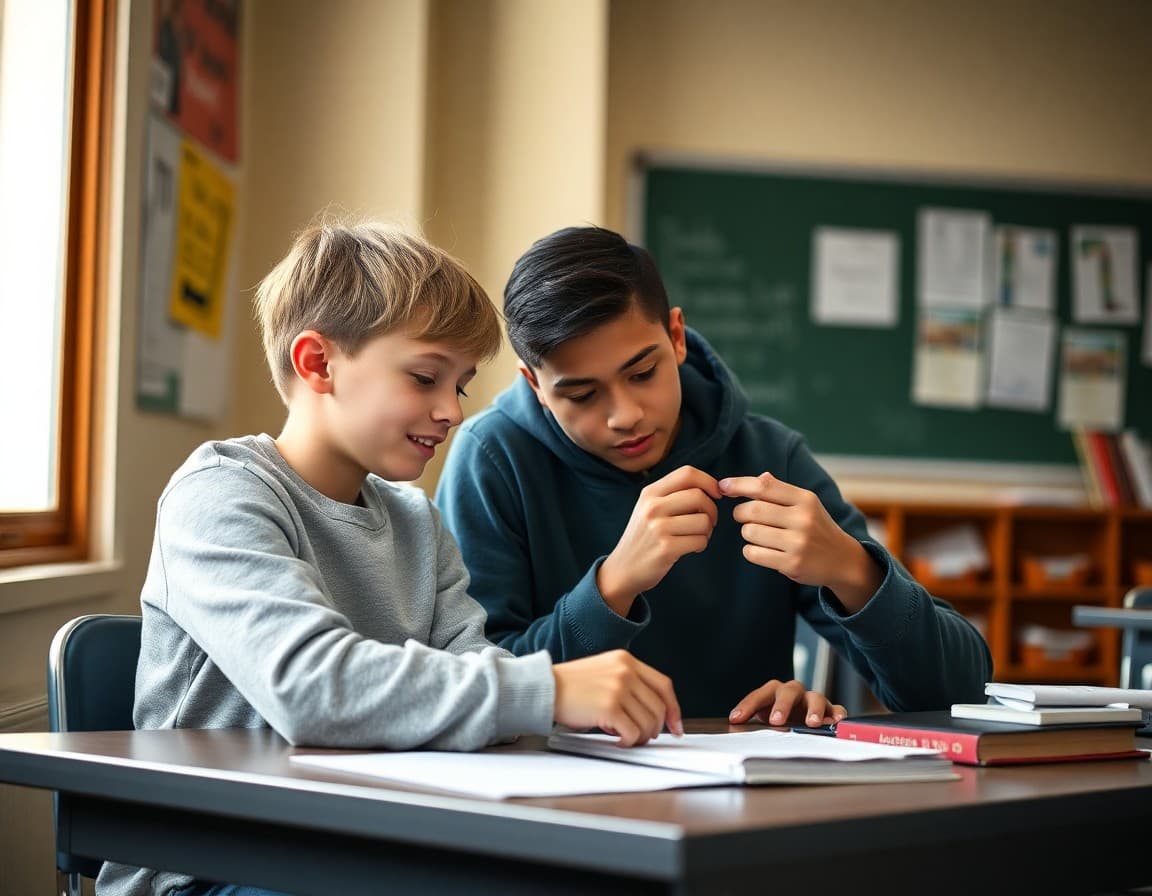
Peer tutoring programs produce benefits on both ends of the relationship: students who receive tutoring get additional practice time with someone who just learned the material and can explain it accessibly, and students who do the tutoring deepen their own understanding by teaching it to someone else. The newsletter that communicates this program clearly recruits for both roles and builds family understanding of why peer learning is worth the school's investment.
Explain why peer tutoring works for tutors and tutees both
Families may not understand that the student doing the tutoring also benefits. Lead with this:
'Research on peer tutoring consistently shows that the student doing the tutoring makes significant academic gains, often larger than the student being tutored. Teaching a concept requires organizing knowledge in a way that deepens it. Students who explain multiplication strategies to a peer understand those strategies more deeply than students who only practice them alone.'
Recruit student tutors through the newsletter
The newsletter should include a direct appeal to families of students who might serve as tutors:
- What the role involves: time commitment, schedule, grade levels served
- What training tutors receive before they begin
- What tutors gain: academic reinforcement, a leadership credential, recognition at school events
- How to express interest or apply
Describe the tutoring session structure
Families want to know this is not just two students sitting together. Describe what a session looks like:
'Each peer tutoring session is supervised by an adult coordinator. Tutors use structured materials developed by our teachers. Sessions are thirty minutes, focused on one specific skill, and followed by a brief check-in with the coordinator. Tutors are trained before they begin and meet weekly with their supervisor.'
Remove the stigma from the student receiving tutoring
Families of students who would benefit from tutoring sometimes resist enrollment because of stigma. The newsletter should directly address this: peer tutoring is available to any student who wants more practice time in a subject, not only students who are struggling. Some of the students who gain the most from peer tutoring are already performing at grade level but want to go deeper.
Share program outcomes from the previous year
If you have data on outcomes from a previous year of the program, include it: how many students participated on both sides, what the average grade improvement was, how many tutors reported stronger confidence in the subject they taught. Outcomes build enrollment faster than any other element of the announcement.
Daystage makes it easy to include tutor application links and session sign-up information in the newsletter, converting family interest into actual enrollment.
Get one newsletter idea every week.
Free. For teachers. No spam.
Frequently asked questions
How do I explain the benefits of peer tutoring to families on both sides of the equation?
For families of students receiving tutoring: peer tutors explain concepts differently from adults, often more accessibly, and the relational element reduces the shame barrier. For families of students who are tutoring: research consistently shows that teaching a concept to someone else deepens the tutor's own mastery significantly. Both roles produce measurable academic gains.
How do I recruit student tutors through the newsletter?
Address both students and families. Name what the tutor role involves (schedule, commitment, support from an adult coordinator), what tutors gain academically and in terms of recognition, and how families can encourage their child to apply. Peer tutors who feel valued and purposeful stay in the program.
How do I ensure families of students receiving tutoring do not feel stigmatized?
Frame peer tutoring as a supplement to instruction, not a remediation track. 'Peer tutoring is available to any student who wants additional practice time with a skilled student tutor. It is not a sign of academic difficulty.' Universal framing removes the stigma barrier.
What training do peer tutors receive, and should I mention it in the newsletter?
Yes. Families of tutoring students want to know their child is not just being left with another student without structure. Describe the training: how tutors learn to explain concepts, manage sessions, and handle questions they cannot answer. A trained peer tutor program is qualitatively different from an informal homework helper.
What tool helps principals send newsletters efficiently?
Daystage makes it easy to include peer tutor application links, program schedules, and session sign-ups in a formatted newsletter section families can act on immediately.

Adi Ackerman
Author
Adi Ackerman is a former classroom teacher and curriculum writer with 8 years in K-8 schools. She writes about school communication, parent engagement, and what actually works in real classrooms.
More for Principals
Ready to send your first newsletter?
3 newsletters free. No credit card. First one ready in under 5 minutes.
Get started free