

Principal Newsletter: Introducing the PBIS School Store to Families
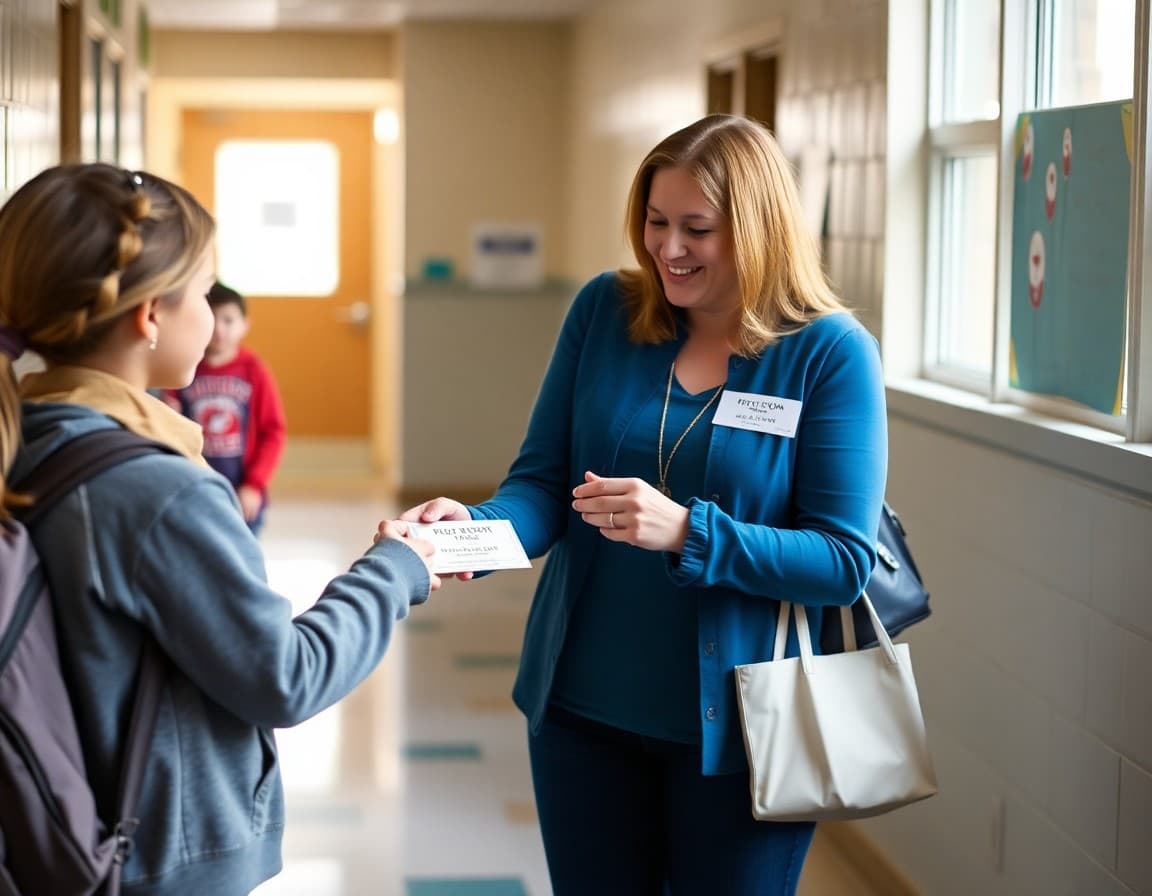
The PBIS school store newsletter is the bridge between what teachers are doing in classrooms and what families understand about the behavior recognition system. Families who understand why the school uses a store-based reward component, how students earn access to it, and what behaviors it is connected to are partners in the system. Families who receive a vague note about a new store are not.
Explain PBIS Before You Explain the Store
Not every family knows what PBIS stands for, let alone what it means in practice. Before describing the store, spend one paragraph explaining that PBIS is a structured approach to building a positive school climate by consistently recognizing students when they demonstrate the school's stated expectations. The store is one component of a larger system. Families who understand the system are more supportive of its components.
Name the Specific Behaviors Being Recognized
Tell families exactly what earns a point or a ticket. Being ready to learn at the start of class. Using respectful language in the hallways. Helping a peer without being asked. Returning from lunch on time. Whatever the school's specific PBIS expectations are, name them in the newsletter. Families who know the behaviors students are being recognized for can ask about those behaviors at home and reinforce the same language.
Describe How Points Are Earned and Tracked
Walk families through the mechanics. Students receive a ticket or a point entry when a staff member observes them demonstrating a schoolwide expectation. Points accumulate in a tracking system or a physical ticket holder. Students visit the store on a schedule. Tell families whether points roll over between store cycles or reset. Whether there are special recognition events for students who reach certain thresholds. The mechanics demystify the system.
Describe the Store
Tell families what the store carries and what things cost in terms of points or tickets. School supplies. Extra recess. Homework passes. Snacks. Small toys. Privilege items like sitting at the teacher's desk for a day. The specific offerings matter because they signal what the school values in terms of recognition. Families who know what the store carries have better conversations with their students about saving and spending their points.
Address Equity Concerns Directly
Some families will wonder whether students with behavioral challenges ever earn points, or whether the system disproportionately rewards students who would behave well regardless. Address this directly. The system is designed to catch students doing the right thing across all behavior profiles. Staff are trained to distribute recognition broadly, not just to the easiest students to recognize. Naming this concern builds trust.
Tell Families How to Support the System at Home
Close with one or two specific things families can do. Ask their student which expectation they demonstrated today and received recognition for. Use the same three to five expectation words at home. Celebrate when a student comes home talking about earning points. Daystage makes it easy to send a mid-year update on PBIS outcomes so families can see the schoolwide impact of the system they are supporting.
Get one newsletter idea every week.
Free. For teachers. No spam.
Frequently asked questions
What should a PBIS school store newsletter include?
What PBIS is and why the school uses it. How students earn points or tickets. What the store sells or offers and how often it is open. The behaviors the school is recognizing and why those specific behaviors were chosen. How families can reinforce the same expectations at home. Whether students can save points across store cycles.
How do I explain PBIS to families who are skeptical of reward systems?
Acknowledge the concern directly. Some families believe rewards undermine intrinsic motivation. Explain that PBIS recognition is explicitly connected to named values and community norms, not compliance for compliance's sake. The research base is worth citing briefly. Families who understand the reasoning are more likely to support the system than families who think it is just prizes for good behavior.
What behaviors should the school be recognizing through PBIS?
The three to five schoolwide expectations the building has identified: safety, respect, responsibility, and any others specific to the school culture. The newsletter should name these expectations specifically so families can use the same language at home. Consistent language across school and home amplifies the impact of any positive behavior system.
How do I address concerns about fairness in the PBIS system?
Describe how the system is implemented consistently across classrooms and grade levels. Name the training teachers received. Acknowledge that no system is perfect and give families a clear path for raising concerns. Families who trust that adults are applying the system fairly are more supportive of it.
What tool helps principals send newsletters efficiently?
Daystage is built for school newsletters. A PBIS store launch communication with system explanation, school expectations, and store schedule can be formatted and sent to all families in one step.

Adi Ackerman
Author
Adi Ackerman is a former classroom teacher and curriculum writer with 8 years in K-8 schools. She writes about school communication, parent engagement, and what actually works in real classrooms.
More for Principals
Ready to send your first newsletter?
3 newsletters free. No credit card. First one ready in under 5 minutes.
Get started free