
Principal Newsletter: Open Mic Night Announcement and Student Creative Arts
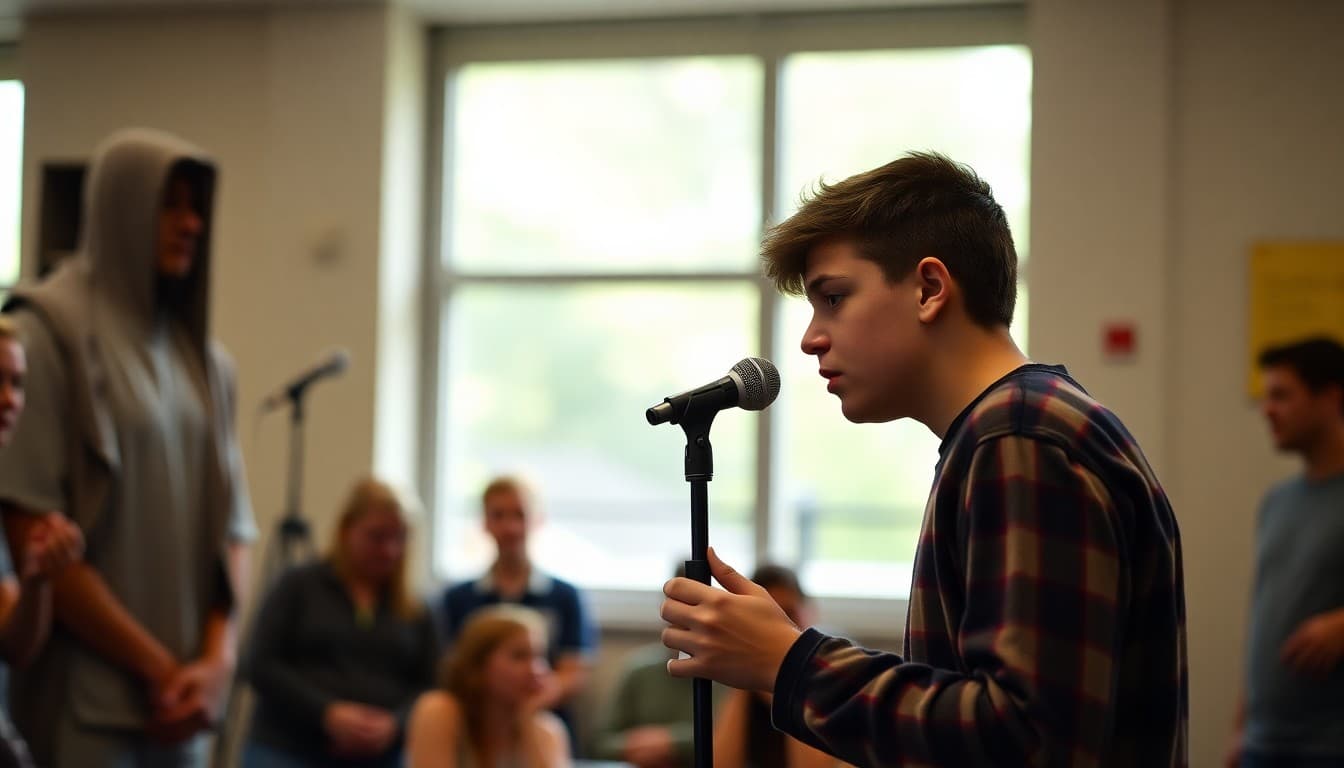
Open mic nights are among the most authentic student expression events a school can run. Students choose what they perform, audiences are surprised by what they see, and the range of talent that surfaces is often different from what shows up in formal performances. Your newsletter is what makes enough students show up to make it meaningful.
The announcement: wide invitation, clear logistics
Your open mic announcement should name every type of performance that is welcome. Acoustic music, vocal performance, spoken word, original poetry, stand-up comedy, dramatic reading, dance. The more specific you are about what is welcome, the more students see themselves as potential performers. A newsletter that says 'musical performances' will get musicians. A newsletter that lists everything will get everything.
Signup process and content standards
Tell students in the newsletter how to sign up and what the content standard is. Performances must be appropriate for a school audience including students of all ages. Students should register by this date so you can plan the program. A sign-up list with a cap prevents a three-hour event.
Audience expectations
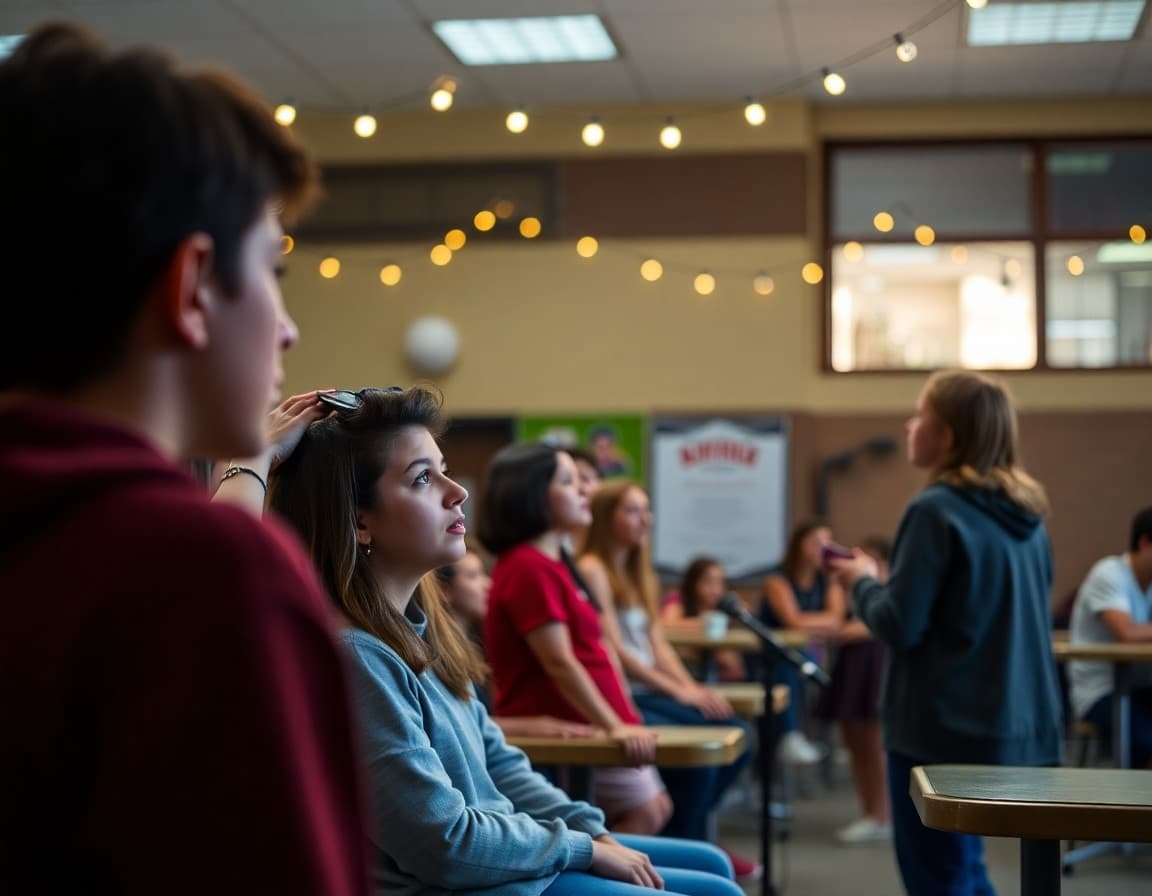
The best open mic nights have audiences that listen respectfully and respond enthusiastically. Your newsletter can set this expectation: the audience is part of the performance. Your attention and response shape the experience for every performer. This framing elevates the audience role from passive attendees to active participants.
Student performer recognition in the newsletter
After the event, name every performer in the newsletter. First name and what they performed. A two-sentence recap of a memorable moment from the evening. Photos with permission. This post-event newsletter is the most powerful recruitment tool for next year's open mic.
Connecting to arts education
Your newsletter can note the connection between open mic night and the school's creative writing, music, and performing arts programs. Students who discovered a talent at open mic night, and then enrolled in an arts elective the following semester, represent exactly the outcome the school's arts program is designed to achieve.
First-timer encouragement
Include a sentence in your announcement specifically for students who have never performed publicly: first-timers are always welcome. Many of our favorite performances come from students who have never been on a stage before. The open mic format is the most forgiving public performance environment in the school. An invitation that names the hesitant student reaches the students who most need to hear it.
Get one newsletter idea every week.
Free. For teachers. No spam.
Frequently asked questions
What should a principal include in an open mic night announcement?
The date, time, location, and format. What types of performances are welcome: music, spoken word, comedy, dance, original writing. Whether students must sign up in advance or can arrive and perform. An audience capacity limit if applicable. Families who understand the format are more likely to attend and bring their student performers.
How do you make open mic night inclusive for a wide range of students?
Explicitly name the range of performance types in the newsletter. Students who play instruments, write poetry, perform stand-up, or want to read an original story are all welcome. A newsletter that lists only music tends to attract musicians. A newsletter that lists the full range of creative expression attracts a much broader community.
How do you handle signup and content review for open mic performances?
Your newsletter should explain the pre-registration process and note that performances must be appropriate for a school audience. You do not need to review every performance in detail, but students should understand that the standard applies. A brief note in the newsletter prevents the surprise that sometimes arrives at the microphone.
What is the educational value of open mic nights and should a principal explain it?
Open mic nights develop public speaking, creative writing, performance confidence, and peer appreciation for diverse creative expression. These are skills connected to ELA and arts standards. A brief mention of the academic connection in your newsletter frames the event as more than an evening activity.
How can Daystage help principals build a creative arts culture at the school?
Daystage makes it easy to include audio or video links from past open mic performances in the newsletter, with student and family permission. A newsletter that includes a clip from last year's spoken word winner is more effective at building anticipation for this year's event than any text description.

Adi Ackerman
Author
Adi Ackerman is a former classroom teacher and curriculum writer with 8 years in K-8 schools. She writes about school communication, parent engagement, and what actually works in real classrooms.
More for Principals
Ready to send your first newsletter?
3 newsletters free. No credit card. First one ready in under 5 minutes.
Get started free