
Principal Newsletter: Sharing Your School Mural Project With Families
A mural project is one of the best stories a principal can tell in a newsletter. It involves students, reflects values, changes the physical environment, and gives the community something to see and point to. The newsletter should match the significance of the project.
Start With the Idea Behind the Mural
Before you describe the design, describe the question the mural is answering. Why does your school want public art here? What do you want students to see every morning when they walk in? Is the mural about community history, school values, local culture, or something students told you matters to them? The idea behind the mural is what earns buy-in from families who might otherwise see it as a decoration project.
Describe How Students Were Involved
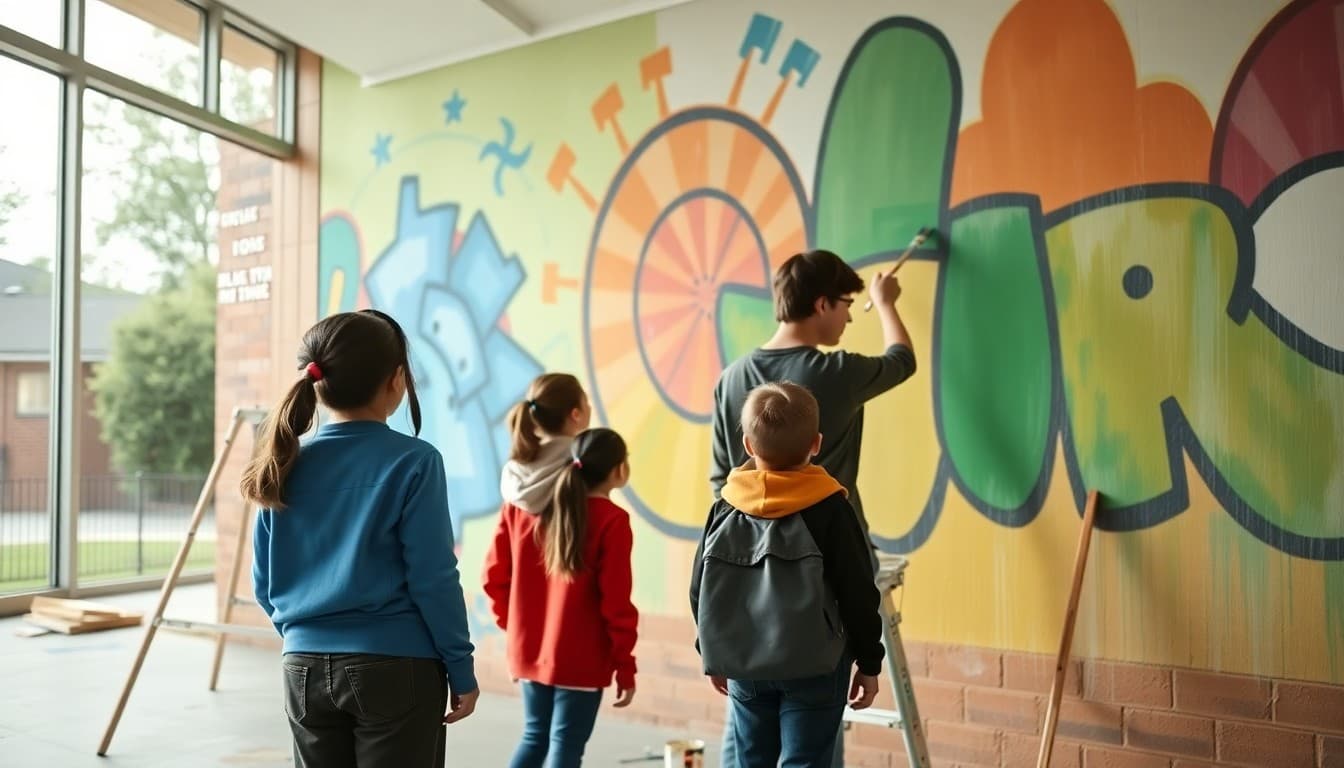
This is the section families will read twice. How did students participate in the concept, the design, or the research? Did art classes develop proposals? Did student government vote on a theme? Did a teacher integrate social studies content into the imagery? The more specific you are about student ownership, the stronger the story.
Families who hear that their child's drawing is part of the final design will share this newsletter with three people.
Explain the Selection Process
If there was a formal design selection process, describe it briefly. Who submitted ideas, how the finalists were chosen, who sat on the selection panel, and what criteria guided the decision. Transparency about process matters for public art in a way it does not for a bulletin board. The mural will be visible to the whole community, and community members respond better to something they understand was deliberated than something that appeared without context.
Introduce the Artist if Applicable
If a professional or community muralist is leading the project, introduce them in the newsletter. A sentence about their background, their connection to the community, and their experience with school projects builds credibility and interest. Families who know who is painting on their school wall are more curious about the work and more likely to visit in progress.
Tell Families Where to See It and When
Give the location of the mural and the timeline. When did painting begin, when is the expected completion, and will there be a reveal or community celebration? If families can walk by and watch the work in progress, tell them that. Some of the most memorable community moments come from watching students and artists work together on something permanent.
Invite the Next Layer of Participation
Even if the design is finalized, there may be ways for additional families to participate. A community painting session, a neighborhood viewing event, a student docent program that teaches others about the mural's meaning. Not every project will have these, but offering any way for more people to connect to the work deepens the sense of community ownership.
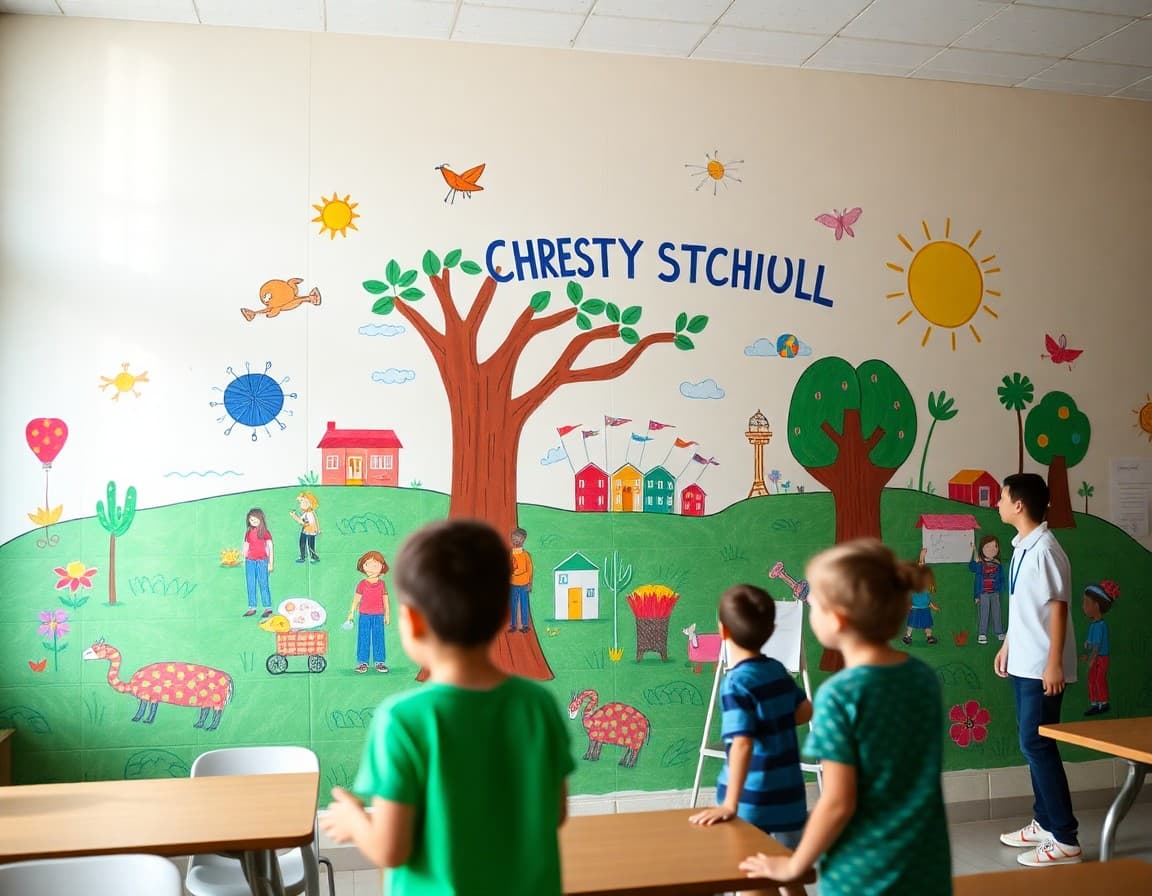
Daystage makes it easy to include a photo of the in-progress mural with each newsletter update so families can watch it come together in real time.
Note How to Share Feedback
Public art invites reaction. Give families a brief note on how to share thoughts, questions, or concerns. Even just your email address. When families know there is a channel for their response, they are less likely to let a vague concern grow into something bigger.
Get one newsletter idea every week.
Free. For teachers. No spam.
Frequently asked questions
How do I explain the educational value of a mural project to skeptical families?
Connect it to specific learning standards. Murals can address visual arts standards, social studies content about community identity, historical narrative, or cultural representation. If students are researching community history to design the mural, that is a social studies and research literacy project. Name the learning, not just the finished product.
How should the newsletter describe the process of choosing the mural design?
Walk families through the timeline. Who submitted designs, how they were reviewed, what criteria guided the selection, and who made the final decision. Transparency about the process helps families feel that the mural represents the community, not just one person's taste.
How do I invite family and community involvement without overpromising?
Be specific about what involvement actually looks like. If families can paint on a designated weekend session, say that. If input was already gathered and the design is final, say that too. Do not invite participation that has already closed.
What if some families or community members disagree with the mural design?
Acknowledge that public art invites different responses and that the school considered a range of input during the design process. Explain how concerns can be shared and with whom. A brief note on the feedback pathway prevents a vague discomfort from turning into a public conflict.
What tool helps principals send newsletters efficiently?
Daystage lets you include a photo of the mural design or in-progress work alongside the newsletter text. Families who can see what you are building are far more engaged than families reading a text description alone.

Adi Ackerman
Author
Adi Ackerman is a former classroom teacher and curriculum writer with 8 years in K-8 schools. She writes about school communication, parent engagement, and what actually works in real classrooms.
More for Principals
Ready to send your first newsletter?
3 newsletters free. No credit card. First one ready in under 5 minutes.
Get started free