
Principal Newsletter: What Instructional Rounds Mean for Your School

Most families have never heard of instructional rounds, which means the newsletter that introduces the practice needs to explain what it is, who does it, and why before it can explain what is happening at your school. The families who understand the process become better partners in academic improvement than those who just see groups of adults walking through classrooms.
What Instructional Rounds Are
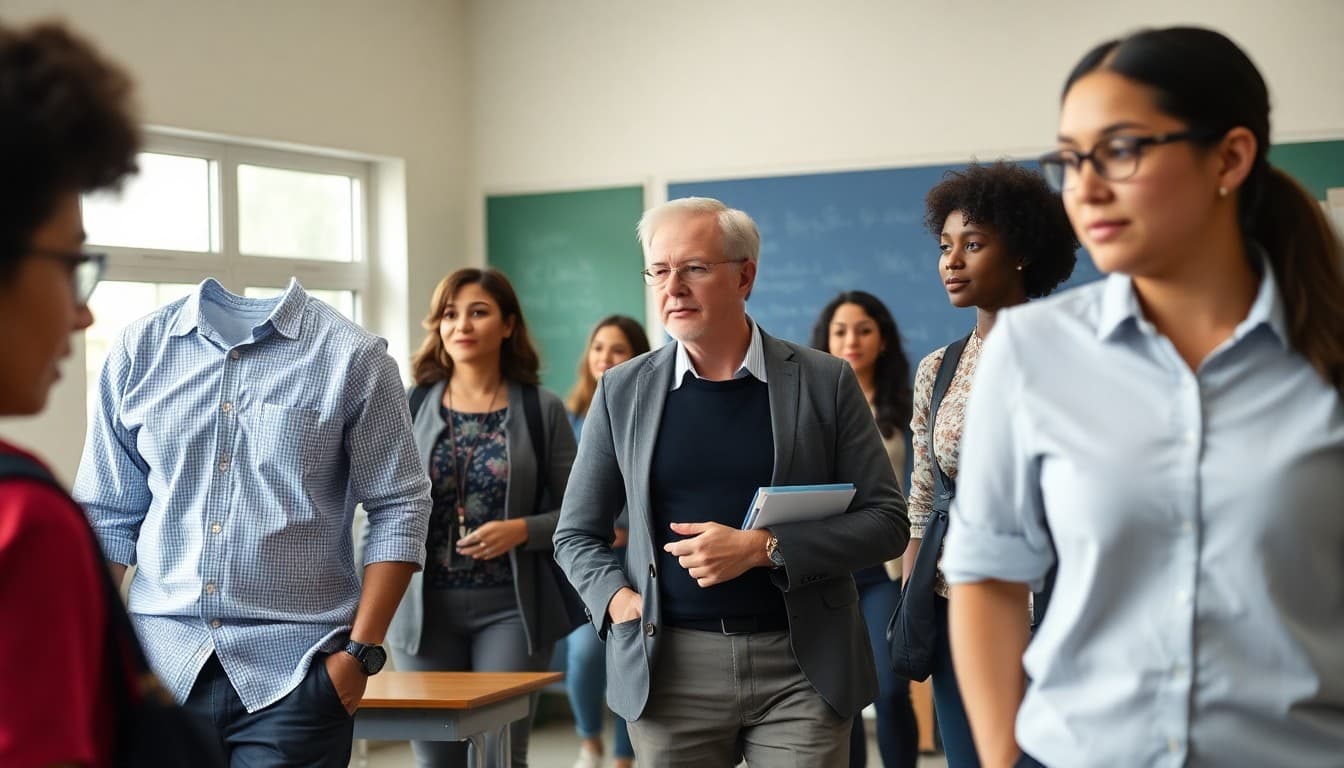
Instructional rounds is a structured professional learning process in which a team of administrators and teachers spends a day observing classrooms together, looking for patterns across the school rather than evaluating individual teachers. The model was developed at Harvard and is used widely in districts that have made instructional improvement a central priority. The observation team moves through multiple classrooms, takes notes using a shared protocol, and then analyzes what they saw collectively to identify school-wide patterns in how instruction is delivered and how students are engaged.
What Observers Are Looking For
Name your school's instructional focus. Are rounds oriented around a specific question, such as how students are asked to demonstrate their thinking, or whether instructional tasks require students to apply knowledge rather than recall it? The observation team is not looking for whether teachers are following a specific script. They are looking at the pattern of student intellectual work across the school: what students are doing, not just what teachers are saying. The specific focus area your school has chosen should appear in the newsletter so families can connect observations to the school's improvement goals.
Who Conducts Rounds and How Often
Name the participants. Are rounds conducted by school administrators only, or do instructional coaches, teacher leaders, or district staff participate? Are teachers from within the school part of the team? How long does a rounds day last, and how many classrooms are visited? How frequently does the school conduct rounds across the year? Families who understand the process know that observers spend short periods in each room, are not evaluating individual teachers, and are operating under a shared protocol that keeps the focus on patterns rather than individuals.
What Happens with the Findings
Describe the feedback loop. After a rounds visit, the observation team generates a description of the patterns they saw without attributing observations to individual teachers or classrooms. That description goes to the principal and, in some models, to the full faculty. The principal uses the findings to make decisions about professional development, instructional materials, or school-wide practices. In some schools, rounds findings drive the focus for the following semester's faculty learning. Name how your school uses the findings specifically so families can see that the process produces real change, not just documentation.
What This Means for Students
Connect the rounds process to student learning directly. When the school identifies that students are consistently asked to recall information but rarely to apply or analyze it, teachers shift their instruction. When rounds show that collaborative student work is not producing productive discussion, professional development targets that skill. The result is that students receive better instruction because their teachers are learning together as professionals. Families who understand this connection between the observation process and classroom improvement are more supportive of it.
What Families Can Expect
Let families know when rounds are scheduled. Students may notice adults in their classroom for brief visits. These visits are not inspections or evaluations. Tell families what to say if their child asks about the observers: the school is doing professional learning to improve teaching across all classrooms. There is nothing unusual or concerning about observers in the room. If families have questions about what was observed in their child's specific class, the classroom teacher is the right person to contact, not the principal, since the rounds process does not track observations by individual class.
Using Daystage for Instructional Communication
Daystage makes it easy to build a newsletter explaining the rounds process, the school's instructional focus, and how findings connect to teaching improvement. Families who understand your improvement process are more likely to trust your professional judgment when you make instructional decisions that affect their children.
Get one newsletter idea every week.
Free. For teachers. No spam.
Frequently asked questions
What should a principal newsletter about instructional rounds include?
Explain what instructional rounds are and what observers are specifically looking for. Describe who conducts them and how often. Tell families what happens with the findings. Address any concerns families might have about observers in classrooms. Connect the process to the school's instructional improvement goals.
How do you explain instructional rounds to families who are unfamiliar with the practice?
Describe it as a structured process where administrators and teachers observe multiple classrooms together, not to evaluate individual teachers, but to look for patterns across the school in how instruction is being delivered and how students are engaging. The goal is to identify what is working well and what needs to change at the system level, not to judge individual teaching.
What is the difference between instructional rounds and teacher evaluation?
Instructional rounds focus on patterns across many classrooms, not on individual teacher performance. Observations are brief and non-evaluative. The purpose is to build a shared understanding of what instruction looks like across the school and to identify changes needed at the school or program level, not to rate or rank individual teachers. That distinction matters for families who worry about observers disrupting their child's classroom.
How do you connect instructional rounds findings to families?
Describe the school-level patterns the rounds process identified without naming individual teachers or classrooms. Name the instructional focus areas that emerged from the observations and describe what changes the school is making in response. Families who can see the connection between the observation process and real instructional changes understand that rounds are a meaningful improvement tool, not just an administrative exercise.
What tool helps principals send newsletters efficiently?
Daystage makes it easy to build an instructional rounds newsletter with a clear explanation of the process, the school's focus area, and a summary of what the findings are driving. Families who understand the school's instructional improvement process are stronger partners in academic growth.

Adi Ackerman
Author
Adi Ackerman is a former classroom teacher and curriculum writer with 8 years in K-8 schools. She writes about school communication, parent engagement, and what actually works in real classrooms.
More for Principals
Ready to send your first newsletter?
3 newsletters free. No credit card. First one ready in under 5 minutes.
Get started free