
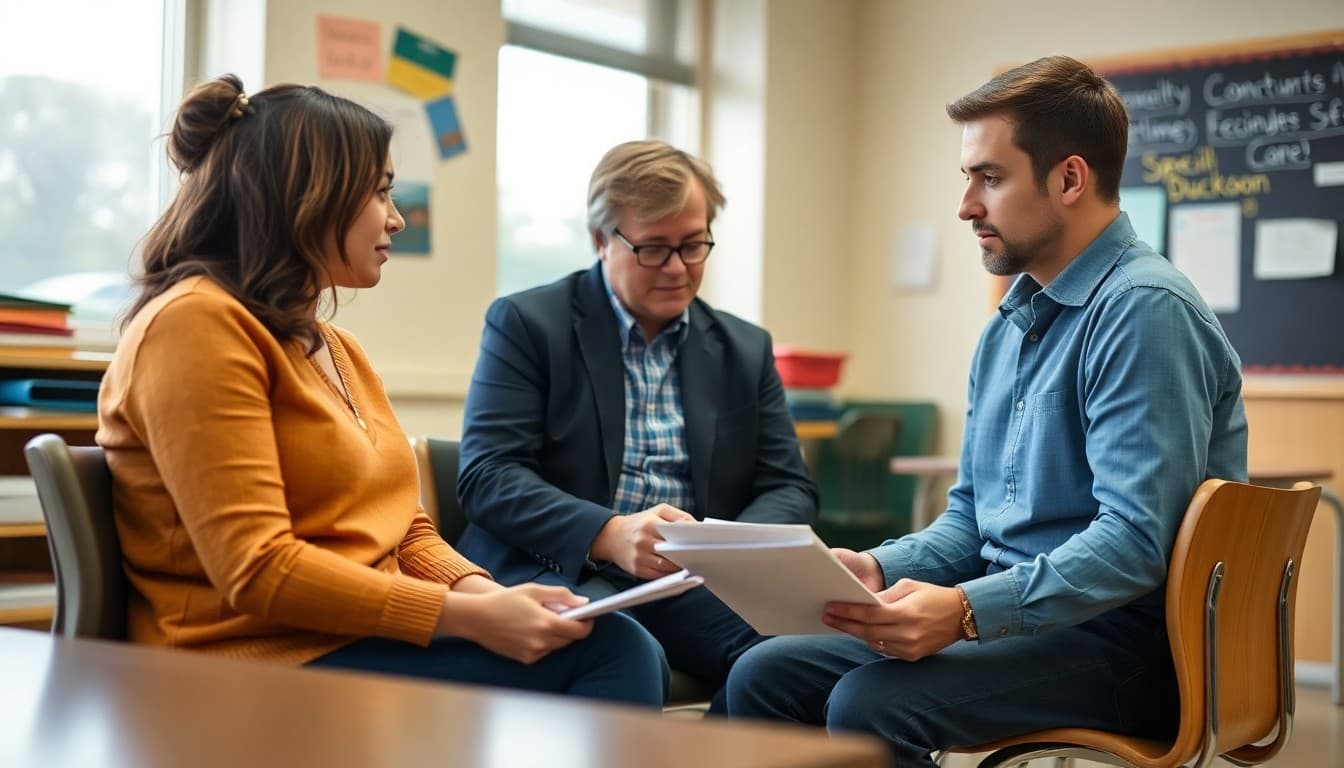
Principal Newsletter: IEP Awareness and Special Education Communication
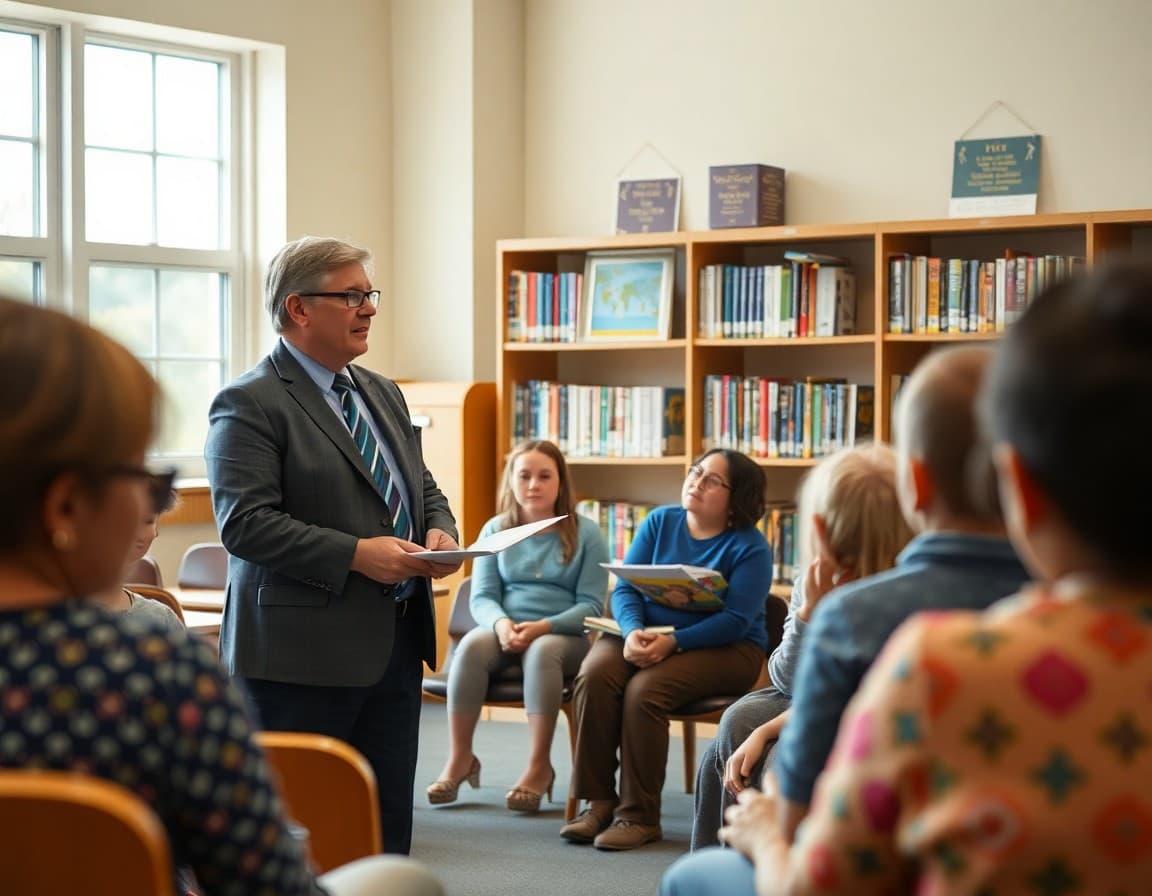
Special education communication is one of the most legally consequential areas of principal messaging. The good news is that good communication and legally compliant communication are the same thing: clear, honest, and focused on the program rather than individual children.
What the whole school community benefits from knowing
Your newsletter does not need to be addressed only to families with children in special education. An IEP awareness newsletter that explains what special education is, how it works, and what your school's program looks like serves the entire school community. Parents of general education students who later need services will already have a foundation. Parents whose children receive services will feel less isolated.
Explaining IEP rights without overwhelming families
Many families are surprised to learn they are full legal members of their child's IEP team. A newsletter that explains this clearly, including the right to bring an advocate and to request prior written notice, empowers families and reduces adversarial dynamics.
You do not need to cover all of IDEA in one newsletter. Pick one or two rights per issue and build understanding over the year.
Timeline communication: evaluation and annual review
Special education timelines are a common source of family frustration. In your newsletter, explain the evaluation timeline your state requires. Explain that annual reviews must happen within 12 months of the last IEP meeting. Tell families who to contact if they believe a timeline is not being met.
Building an inclusive school culture in the newsletter
Stories about student achievement do not need to specify disability. A student who worked hard and reached a goal, whose family gave permission to share the story, is a powerful inclusion narrative without any diagnostic labels.
Connecting families to outside resources
Your newsletter can direct families to your state's parent training and information center, federally funded organizations that provide free advocacy support. Families who know these resources exist use them constructively, which means fewer disputes and more collaborative IEP teams.
What to do when there is a dispute
Your newsletter is not the place to address individual disputes. But a periodic reminder that mediation, due process, and state complaint procedures exist signals that you are not afraid of accountability. That builds more trust than pretending conflict does not happen.
Get one newsletter idea every week.
Free. For teachers. No spam.
Frequently asked questions
How can a principal discuss IEPs in a newsletter without violating student privacy?
Write about the program and the process, not individual students. Explain what an IEP is, how the process works, and what families can expect. You can celebrate special education outcomes without naming specific students or disclosing disability information.
What do parents need to know about the IEP process that a principal should share in a newsletter?
The basic rights: families are equal members of the IEP team. The timeline: evaluations, annual reviews, and prior written notice requirements. The contacts: who is the special education coordinator and how to reach them. Many families do not know their rights until someone tells them.
How should a principal respond if families feel the IEP process is too slow?
Acknowledge the timeline directly in the newsletter if it is a known issue. Special education evaluation timelines are federally regulated, and explaining the 60-day rule or your state equivalent prevents the assumption that delays are the school being difficult.
What is the right tone for a newsletter about special education?
Direct, not clinical. Supportive, not patronizing. Avoid jargon like LOI, LRE, FAPE unless you define them. Parents who are new to special education are reading your newsletter to learn, not to decode acronyms.
How can Daystage help principals communicate with special education families?
Daystage lets principals send targeted newsletters to specific family groups, so a special education program update can go to families enrolled in the program rather than the full school list. This makes the communication more relevant and respects the privacy of families who are not part of that program.

Adi Ackerman
Author
Adi Ackerman is a former classroom teacher and curriculum writer with 8 years in K-8 schools. She writes about school communication, parent engagement, and what actually works in real classrooms.
More for Principals
Ready to send your first newsletter?
3 newsletters free. No credit card. First one ready in under 5 minutes.
Get started free