

Writing a Gratitude-Centered Principal Newsletter
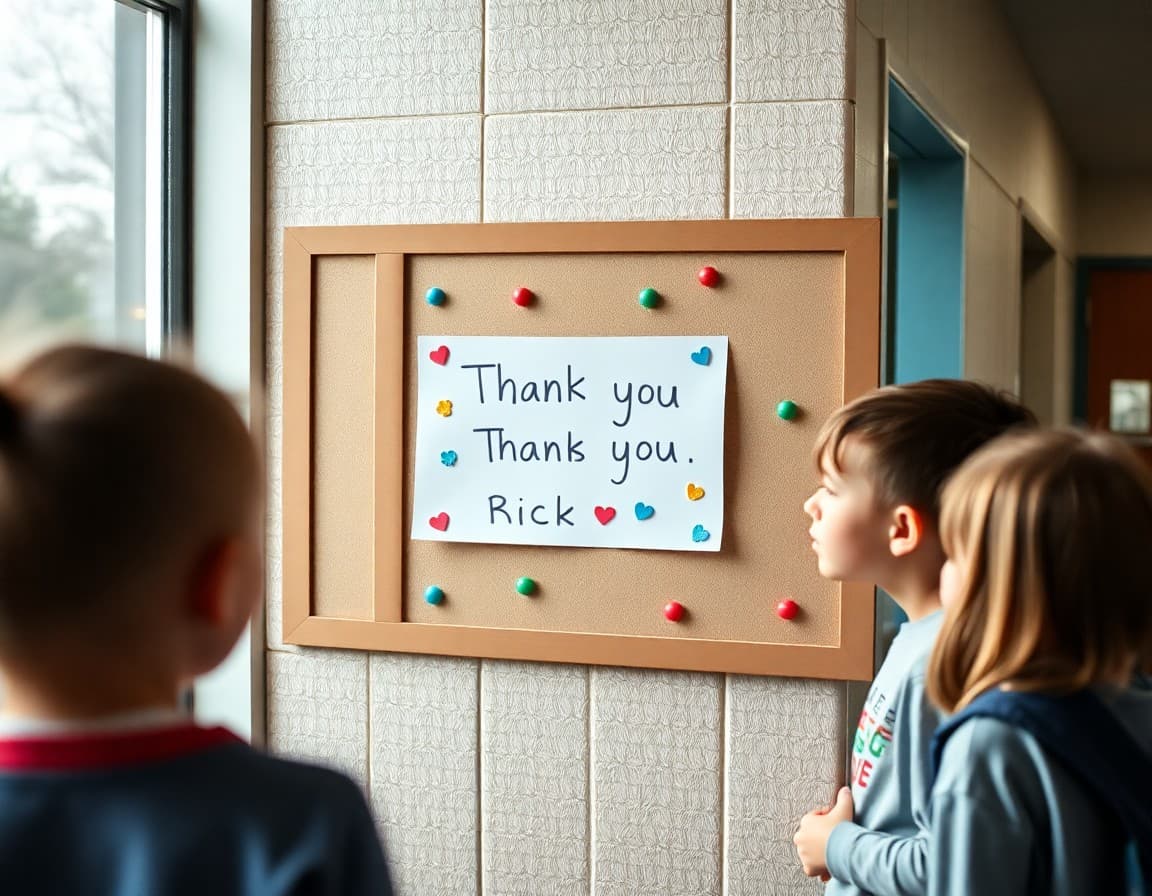
A gratitude newsletter done well is one of the most effective community-building tools you have. Done poorly, it reads like a form letter and does the opposite. The difference comes down to specificity, sincerity, and structure. Here is how to write one that people actually remember.
Start With a Specific Moment, Not a Season
Resist the urge to open with “As we approach the end of another year...” Instead, anchor the letter in a real, recent moment. A volunteer who showed up three Saturdays in a row for the garden project. The student who organized a coat drive on her own initiative. The teacher who stayed after school every Tuesday to run homework help for two months. One concrete moment sets the tone for everything that follows.
Name People, Not Groups
“Thank you to our wonderful PTA” is easy to write and easy to ignore. “Maria Fontana organized every carnival shift, recruited 22 volunteers, and still found time to help translate flyers into three languages” is specific enough that Maria will save it, share it, and feel genuinely seen. Where possible, name the people. Where you cannot name individuals, describe the action in enough detail that those who did it recognize themselves.
Acknowledge What Was Hard
Gratitude that ignores difficulty rings false. If your school navigated a challenging semester, a loss, a funding cut, or a stressful testing season, say so. Then thank people for showing up anyway. This kind of gratitude is earned because it is honest. A single sentence acknowledging the weight of the year before the thank-you makes the thank-you more meaningful.
Include Staff Without Making It a Staff Directory
Teachers and support staff deserve recognition in your newsletter, but a list of names is not recognition. Instead, call out a category of work: the teachers who redesigned their whole unit over winter break to better serve students who struggled, the custodial team that reset the cafeteria for a family event and had it ready in under an hour. Describe the work, not just the worker.
Use a Template That Shows Gratitude Without Overpromising
One structure that works consistently:
“This year, I have watched our community do things that still surprise me. [Specific example.] I did not take that for granted, and I want to say so directly. [Name of person or group]: what you gave to this school showed up in [specific outcome]. Thank you.”
The key is the phrase “I want to say so directly.” It signals that this is not a formality.
Thank Families for the Work That Happens at Home
Schools often overlook the invisible labor of parenting: the homework check-ins, the early mornings, the conversations about what happened at school that day, the encouragement on hard weeks. A paragraph acknowledging that work, without being condescending, lands well with parents who rarely hear their efforts named. It also positions the school as a partner, not just an institution.
Close With a Forward-Looking Line, Not a Platitude
Skip “Here's to another great year!” Close with something concrete: what you are looking forward to, what you are building toward, or one thing you plan to do differently because of what you learned this year. This signals that gratitude is not just retrospective but generative. It tells families you are paying attention and using what you observe.
Send It in a Format That Matches the Intention
A gratitude message sent as a plain-text email undercuts itself. The format signals how much thought went into it. Daystage gives you a clean, photo-rich layout that presents your words the way they deserve to be read. Families open it on their phones, see a real header, a personal message, and recognitions that feel intentional rather than rushed.
Get one newsletter idea every week.
Free. For teachers. No spam.
Frequently asked questions
When should a principal send a gratitude-focused newsletter?
The most natural moments are end of year, end of semester, after a difficult period the community navigated together, following a major volunteer effort, or during appreciation weeks for teachers and staff. But a short gratitude message mid-year, with no particular occasion, often lands harder than a seasonal one because it feels less obligatory.
How do I avoid sounding generic in a thank-you newsletter?
Name specific people, specific actions, and specific outcomes. 'Thank you for your support' means nothing. 'The 34 parents who helped set up Science Night made it possible for 280 students to present projects they had worked on for six weeks' means something. Specificity is what separates a real thank-you from a form letter.
Should I thank students in the newsletter, or just adults?
Thank students too, but write it so their parents see themselves in it. When you recognize a student for something that required effort, courage, or growth, you are also honoring what their family did to support that. Connect the student achievement to the home environment: 'These kids show up ready to work, and that does not happen without what happens at home.'
How long should a gratitude newsletter be?
Short is better for gratitude. A focused 400-word message with three or four specific recognitions lands better than a 900-word letter that runs through every department. If you have a lot to cover, consider a short gratitude section within a regular newsletter rather than a standalone edition.
What platform makes it easy to send a personalized thank-you newsletter at scale?
Daystage lets you write a rich, formatted gratitude message with photos, named recognitions, and a warm layout that feels personal even when sent to your entire school community. The visual design signals that this communication was made with care, which reinforces the message itself.

Adi Ackerman
Author
Adi Ackerman is a former classroom teacher and curriculum writer with 8 years in K-8 schools. She writes about school communication, parent engagement, and what actually works in real classrooms.
More for Principals
Ready to send your first newsletter?
3 newsletters free. No credit card. First one ready in under 5 minutes.
Get started free