
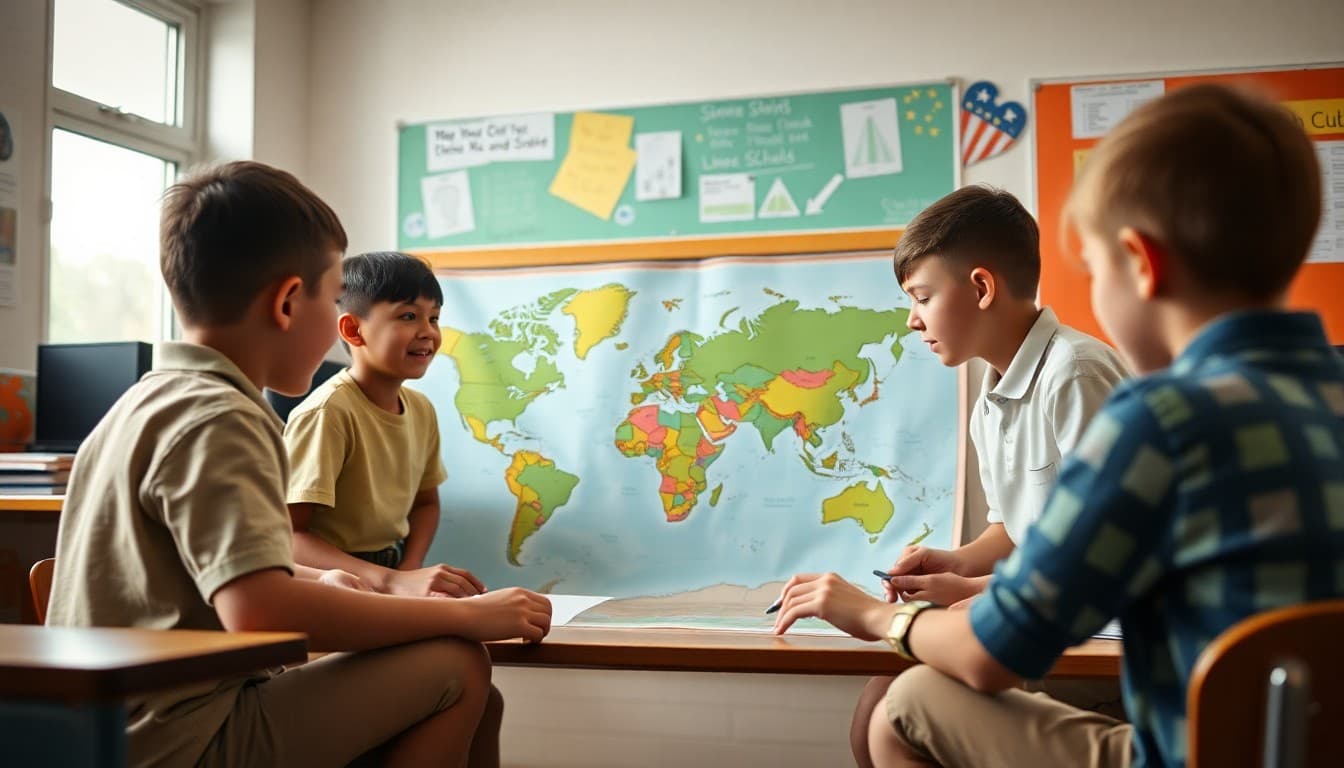
Global Learning Programs: How Principals Communicate International Education to Families
Global learning programs prepare students for a world that is more interconnected than any previous generation has known. The newsletter that communicates global learning well does not just describe field trips and flag displays. It makes the case for why international education matters, describes what students are genuinely learning, and invites families as partners in a school culture that takes the wider world seriously.
Make the case for global education in plain terms
Families who understand why the school prioritizes global learning support it more actively. The case does not require jargon:
'The students in our school will graduate into a workforce and a world that operates across borders, languages, and cultures. Schools that build global awareness do not take time away from core academics. They add the context that makes core academics meaningful. Understanding how other societies approach the same problems, how languages shape thought, and how history looks different from different perspectives is academic content, not enrichment.'
Describe what global learning looks like at your school
Global learning takes many forms. The newsletter should describe the specific forms at your school:
- World language instruction: which languages, at which grade levels, what proficiency students can expect to develop
- International partnerships: pen pal programs, virtual exchanges, or partnership schools in other countries
- Cultural awareness curriculum: how different cultures and world regions are taught across subjects
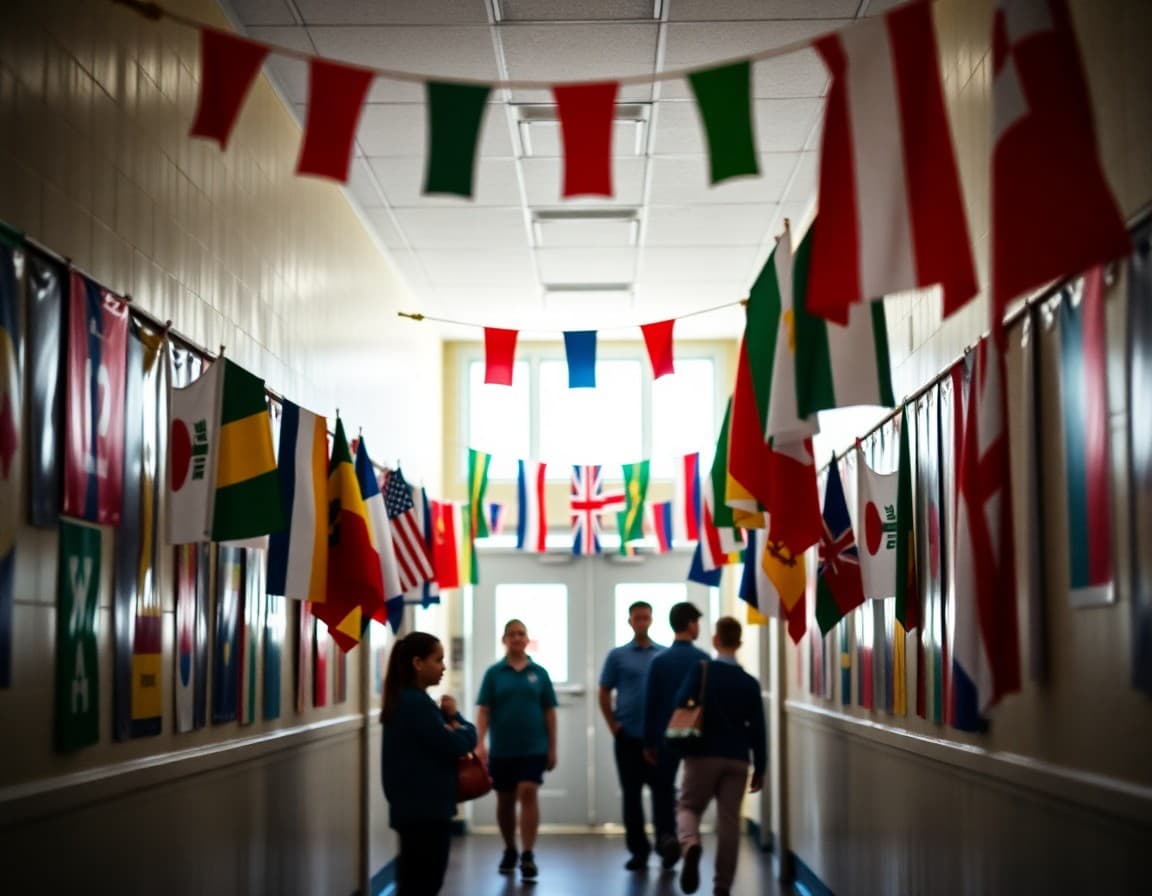
- Global awareness events: cultural fairs, international food days, geography bees, or visiting speakers from other countries
Highlight your school community as a global learning resource
Many schools with strong global learning programs sit in communities where families speak dozens of languages and carry firsthand knowledge of other cultures. The newsletter should name this resource:
'Our school community includes families from more than [number] countries. This is one of the most valuable educational resources we have. We actively invite families to share their cultural knowledge, language, and stories with classrooms throughout the year.'
Connect world language to reading and cognition research
Families who wonder whether world language time takes away from reading and math benefit from knowing the opposite is true: bilingual and multilingual students consistently outperform monolingual peers on measures of reading comprehension, vocabulary, and cognitive flexibility. One sentence of research in the newsletter pays off in family support for the program.
Daystage makes it easy to publish a global learning newsletter with cultural spotlights, language program updates, and international partnership news in a consistent format that families look forward to.
Get one newsletter idea every week.
Free. For teachers. No spam.
Frequently asked questions
What is the purpose of a global learning newsletter for families?
To explain why the school invests in international and cross-cultural education, describe what students are actually learning, and connect global awareness to the skills families care about: critical thinking, communication, flexibility, and preparation for a workforce that operates across cultures.
How do I explain the academic value of world language programs in the newsletter?
With research and with specifics. Students who learn a second language show stronger executive function, higher literacy scores in their first language, and greater cultural empathy. Name these benefits in the newsletter alongside what language and what level students are studying.
How do I involve multilingual families in global learning communication?
Explicitly. 'Families in our school community speak 14 languages. That diversity is a resource, not a challenge. If your family speaks a language other than English, we welcome you to share a cultural tradition, a story, or a skill with your child's class.' Multilingual families are the most under-tapped resource in global learning programs.
What should I include about an international school exchange or pen pal program?
The partner school or country, what the exchange involves, how students participate, what they will learn, and any costs or time commitments for families. Families need enough information to support participation enthusiastically and to address their child's questions about the program.
What tool helps principals send newsletters efficiently?
Daystage makes it easy to include global learning updates, student cultural spotlight stories, and world language program details in a consistent newsletter section that families save and engage with.

Adi Ackerman
Author
Adi Ackerman is a former classroom teacher and curriculum writer with 8 years in K-8 schools. She writes about school communication, parent engagement, and what actually works in real classrooms.
More for Principals
Ready to send your first newsletter?
3 newsletters free. No credit card. First one ready in under 5 minutes.
Get started free