

Principal Newsletter: Announcing a Gifted Enrichment Day to Families
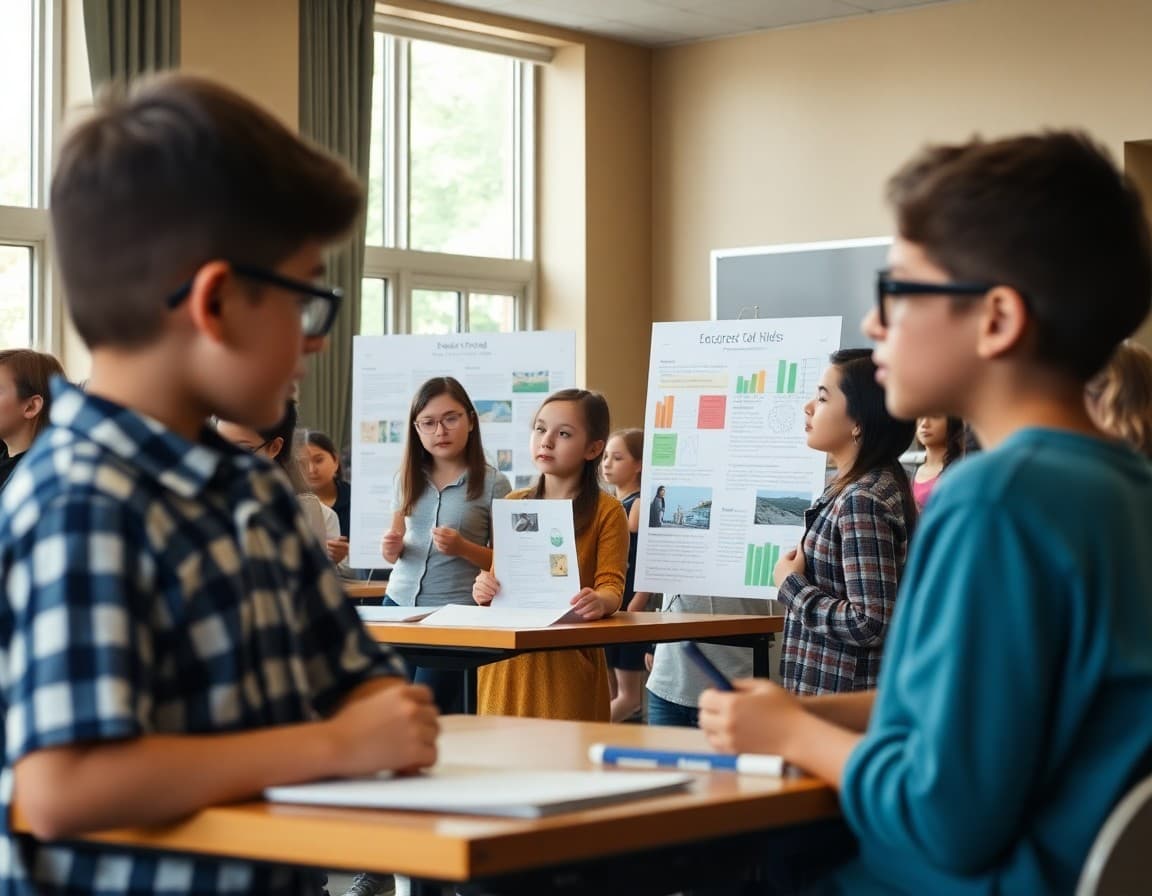
A gifted enrichment day works best when students arrive ready and families understand what it is. The newsletter you send in advance is what creates those conditions. If it is vague, students show up unfocused and families have no idea what questions to ask when their student gets home.
Describe the Day's Focus
Name the theme or content area. Is the enrichment day focused on STEM problem-solving, historical inquiry, literary analysis, entrepreneurship, or something else? Give families and students a clear intellectual frame. Gifted learners specifically benefit from knowing the challenge before they encounter it because they can begin processing and anticipating in the days before the event.
Explain What Students Will Actually Do
"Students will engage in enriching activities" communicates nothing. "Students will work in teams to design and test a water purification system using limited materials, then present their solution and its design tradeoffs to a panel of community professionals" gives families and students a real picture. Describe the structure: will students be working independently, in small groups, or moving through stations? Will there be a final product or presentation?
Share Any Pre-Enrichment Preparation
If students will get more from the day if they arrive having read a specific article, thought about a research question, or brought materials from home, include that in the newsletter. Frame it clearly: not homework, but preparation that will make the day more productive. Families who receive a materials list trust that the day is planned. Families who receive nothing assume the day takes care of itself.
Describe the Purpose, Not Just the Activity
A gifted enrichment day is not a reward or a break from regular school. It is an instructional experience designed to offer the kind of sustained, complex challenge that is difficult to build into a standard school day. Students in gifted programs need time to work alongside intellectual peers on open-ended problems at their actual pace. Name that purpose so families understand the educational value of what you are doing.
Tell Families Whether They Can Attend or See the Work
If students will be presenting or showcasing at any point, invite families. If the day requires uninterrupted student work and a family audience would be disruptive, say that clearly and offer a follow-up showcase or documentation of the work. Families appreciate knowing the distinction rather than assuming they can drop in.
Plan for the Follow-Up
The conversation at home after the enrichment day is part of the learning experience. Give families a few questions to ask: What was the hardest part of your challenge? What would you have done differently? What did you learn from someone else's approach? Daystage makes it easy to include a brief parent guide alongside the event logistics in the same newsletter.
Get one newsletter idea every week.
Free. For teachers. No spam.
Frequently asked questions
What should the newsletter include about the enrichment day activities?
Describe the theme or focus area, the types of activities students will engage in, whether students are working individually or collaboratively, and whether there is a final product or presentation. Gifted students often do best when they understand the intellectual challenge ahead of time, and families are more engaged when they know what to ask about at dinner.
How do I explain the purpose of a gifted enrichment day to families who may not see the need?
Frame it around the kind of learning that is difficult to provide during a regular school day: independent inquiry, advanced problem-solving, collaboration with intellectual peers, and exposure to content beyond grade level. This is not a reward day. It is an instructional experience designed for a specific learner profile.
Should families or community members be invited to the enrichment day?
That depends on your event format. If students are presenting or demonstrating work, a family viewing component at the close of the day can be powerful. If the day is structured for uninterrupted student work, a follow-up showcase is better than open attendance during the event itself.
How do I communicate what students should bring or prepare in advance?
If there is pre-reading, a research question to investigate, a materials list, or a project students are continuing from prior work, list it clearly in the newsletter. Students who arrive prepared get more out of the day. Families who received clear preparation guidance feel respected.
What tool helps principals send newsletters efficiently?
Daystage is built for school newsletters. For an event like a gifted enrichment day, you can include the schedule, materials list, and a photo from a prior event all in one professional newsletter sent to the right family group.

Adi Ackerman
Author
Adi Ackerman is a former classroom teacher and curriculum writer with 8 years in K-8 schools. She writes about school communication, parent engagement, and what actually works in real classrooms.
More for Principals
Ready to send your first newsletter?
3 newsletters free. No credit card. First one ready in under 5 minutes.
Get started free