

Principal Newsletter: Final Exams Schedule and Family Preparation Guide
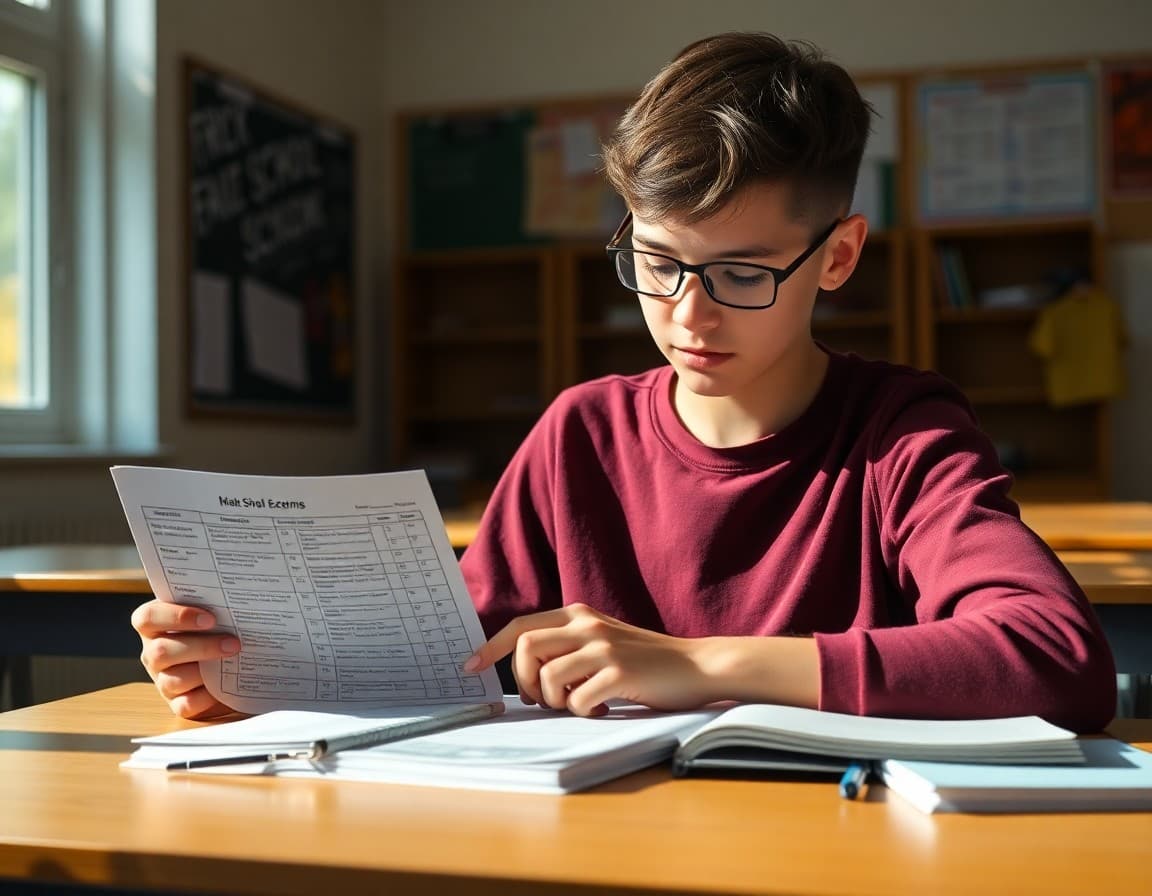
The final exams newsletter is partly logistics and partly coaching. Families who know the schedule, understand the attendance policy, and have specific guidance on supporting their student perform their part better than families who receive only a calendar.
The Final Exams Schedule
Publish it clearly and completely. Organize by day and period. If different grade levels or courses have exams on different days, structure the schedule so families can quickly find their student's specific exams. Name the time each exam period begins and ends. Include the modified bell schedule for each day during finals week. Students and families who can find their specific exam times without calling the school office reduce the volume of questions the front office handles the week before finals begin.
The Modified Bell Schedule
Describe how the school day will be structured during finals week. How long are exam periods? Are there passing periods between exams? How does the lunch period work when some students are finished for the day and others are not? What happens for students who have a free period because their class does not have a scheduled exam during that time slot? The modified schedule creates logistical questions that the newsletter can answer proactively rather than leaving families and students to figure it out on the fly.
Attendance Policy During Finals Week
State the policy explicitly. Students must be present for all scheduled exams. Unexcused absences during an exam result in a zero that follows specific procedures you should name. If a student has an excused absence, the make-up exam process involves contacting the teacher or the main office within a specific number of school days. If a student has a period with no exam, state whether they are expected to report to a supervised study hall, attend their regular class, or may leave the building with parental permission. These are the questions that generate the most calls during finals week, and the newsletter answers them first.
How to Prepare Effectively
Give families and students specific guidance rather than general encouragement. Start reviewing material now, not the night before. Use active review strategies: practice problems, self-testing, explaining concepts aloud, teaching material to a sibling or parent. Avoid re-reading notes passively. Spread studying across multiple evenings rather than cramming in one long session. Sleep matters more to exam performance than one additional hour of studying. These are findings from research on how memory works, and students whose families understand the evidence are more likely to make better preparation choices.
Study Resources Available at School
Name them all. Which teachers are offering review sessions and when? Is the library open extended hours? Is the tutoring center available? Are peer tutors accessible through the counseling office? Will teachers hold office hours during lunch or before school? Students who know these resources exist before finals week use them more than students who find out about them the night before an exam when it is too late to schedule a session.
What Families Can Do at Home
Keep the home environment calm and consistent during finals week. Limit distracting noise and screen time during study sessions. Provide meals at regular times. Avoid scheduling significant family events or activities during finals week if possible. Express confidence rather than anxiety when talking about exams. Students who feel that their families believe in their preparation are more confident going into exams than those whose families communicate worry. Your student has been preparing all year. Finals week is when that preparation shows.
Using Daystage for Finals Week Communication
Daystage makes it easy to build a finals newsletter with the full exam schedule, attendance policy, study resource list, and home preparation guidance. Send it two weeks before finals begin and a reminder reminder four days out for families who may have missed the first one.
Get one newsletter idea every week.
Free. For teachers. No spam.
Frequently asked questions
What should a principal newsletter releasing the final exams schedule include?
Publish the exam schedule clearly, organized by day. Describe the modified bell schedule during finals week. State the attendance policy for students who have non-exam periods. Name the study resources available to students. Give families guidance on how to support exam preparation at home.
What is the attendance policy during finals week and how should it be communicated?
State it explicitly: students are expected to be present for their scheduled exams. If a student has periods with no exam, name whether they are expected to attend those periods or may be excused. If a student misses an exam for an unexcused reason, name the make-up policy. If a student has an excused absence during finals, describe the process for scheduling a make-up exam. Ambiguity in attendance policy during finals generates significant family calls to the office.
How do you help families support student exam preparation at home?
Give specific, actionable guidance. Eight hours of sleep before exams matters more than late-night cramming. Distributed review over several days is more effective than massed studying the night before. Students benefit from studying in a low-distraction environment. Families can help by limiting screen time in the evenings before exams, providing consistent meals, and keeping the exam week environment calm rather than anxious.
What study resources should a principal newsletter mention?
After-school or lunch tutoring sessions. Review sessions offered by individual teachers. Online resources aligned to the curriculum. The school library's extended hours during finals week. Peer study groups facilitated by the school. Students who know what resources exist are more likely to use them than students who have to ask around to find out.
What tool helps principals send newsletters efficiently?
Daystage makes it easy to build a finals week newsletter with the exam schedule, attendance policy, study tips, and available resources all in one place. Send it two weeks before finals begin so families have time to plan.

Adi Ackerman
Author
Adi Ackerman is a former classroom teacher and curriculum writer with 8 years in K-8 schools. She writes about school communication, parent engagement, and what actually works in real classrooms.
More for Principals
Ready to send your first newsletter?
3 newsletters free. No credit card. First one ready in under 5 minutes.
Get started free