

Sharing Family Survey Results in Your Principal Newsletter
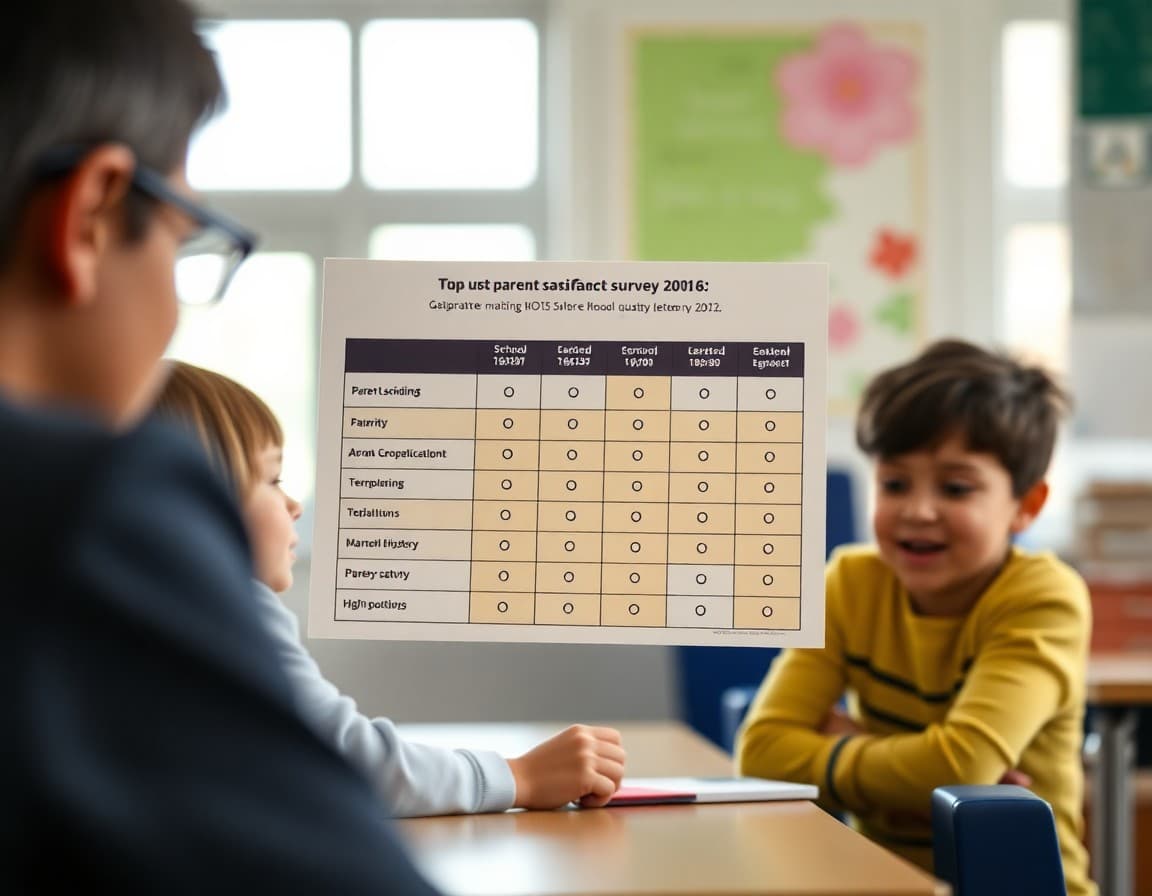
Family surveys are one of the most underused communication tools in schools. Principals send surveys, analyze the data, and then share the results internally or not at all. The families who took 10 minutes out of their day to complete the survey hear nothing. That is the point where participation in the next survey drops significantly.
Why sharing survey results builds trust
Families who complete surveys want to know two things: did anyone read this, and did it change anything? A principal newsletter that answers both questions explicitly is one of the most trust-building communications a school can send.
This is true even when the results are mixed. A school that says '40 percent of families reported that communication could be clearer, and here is what we are doing about it' is a school families want to be part of. It is also a school that will get better survey response rates next time.
How to select what to share
Most school family surveys generate more data than belongs in a newsletter. Select two to four findings to highlight:
- The most positive result from a domain families care about (school safety, teacher quality, communication)
- The area with the most significant room for improvement
- Any result that directly responds to feedback from a previous survey ('Last year you told us X. Here is what changed.')
- A result that surprised you and why
The format that works
Each finding should have three parts:
- The data.'87 percent of families rated school safety as good or excellent.'
- What it means.'That is our highest safety rating in four years and reflects the changes we made to the arrival procedure in September.'
- What comes next.'We are keeping those procedures in place for next year.'
For areas of concern, the same three-part structure applies:
- The data.'62 percent of families said they find the school's communication calendar hard to follow.'
- What it means.'We know our current schedule includes multiple overlapping events with inconsistent communication.'
- What comes next.'Starting in January, we will send a single monthly calendar in the principal newsletter with all events confirmed before the newsletter goes out.'
Acknowledge criticism directly, not defensively
The families who gave the school a poor rating on something are reading the survey results newsletter most closely. If the newsletter minimizes the criticism, those families will notice. If the newsletter acknowledges it honestly and describes a specific response, those same families often become the school's most constructive advocates.
Defensiveness in survey result communication erodes the credibility the survey was supposed to build. Honesty builds it.
Thank respondents specifically
End the survey results section by thanking families who completed the survey and naming the response rate: '230 families completed the October survey. That is 47 percent of our enrolled families and the highest rate we have seen. Thank you.' Naming the response rate acknowledges the participation and signals that it mattered.
Daystage makes survey results newsletters easy to format with clear data callouts and action statements. Families who receive this kind of responsive communication stay engaged with every subsequent survey and newsletter you send.
Get one newsletter idea every week.
Free. For teachers. No spam.
Frequently asked questions
Why should principals share family survey results in the newsletter?
Families who see their feedback acknowledged and acted on are more likely to complete the next survey, more trusting of the school's communication, and more likely to participate in school improvement conversations. Sharing survey results is not a vulnerability. It is a demonstration that the survey mattered and that feedback has consequences.
How do I share negative feedback from a family survey without undermining school confidence?
Present the criticism alongside the school's response plan. 'Forty percent of families said drop-off timing is too rushed. Starting next week, doors open 10 minutes earlier.' A criticism paired with a concrete change is not damaging. It is evidence that the school listens and responds. A criticism buried or minimized is what undermines confidence.
How soon after a survey should I share results?
Within 30 days of survey close. Families who complete a survey in October and do not hear anything until January assume their input was ignored. The faster you process and share results, the stronger the signal that the survey was meaningful.
What format works best for sharing survey data in a newsletter?
Highlight two or three key findings with percentages or response counts. Do not dump the full dataset. Choose the findings most relevant to the family community, including both positive results and areas for improvement. A brief narrative connecting the data to what the school will do is more useful than a chart families have to interpret themselves.
What tool helps principals send newsletters efficiently?
Daystage lets you include formatted data highlights and clear action statements in a newsletter that families read inline in their email. Survey results newsletters are best delivered directly rather than as a link to a separate results page.

Adi Ackerman
Author
Adi Ackerman is a former classroom teacher and curriculum writer with 8 years in K-8 schools. She writes about school communication, parent engagement, and what actually works in real classrooms.
More for Principals
Ready to send your first newsletter?
3 newsletters free. No credit card. First one ready in under 5 minutes.
Get started free